
How this product aligns with the EYLF
Supporting play-based learning and inquiry
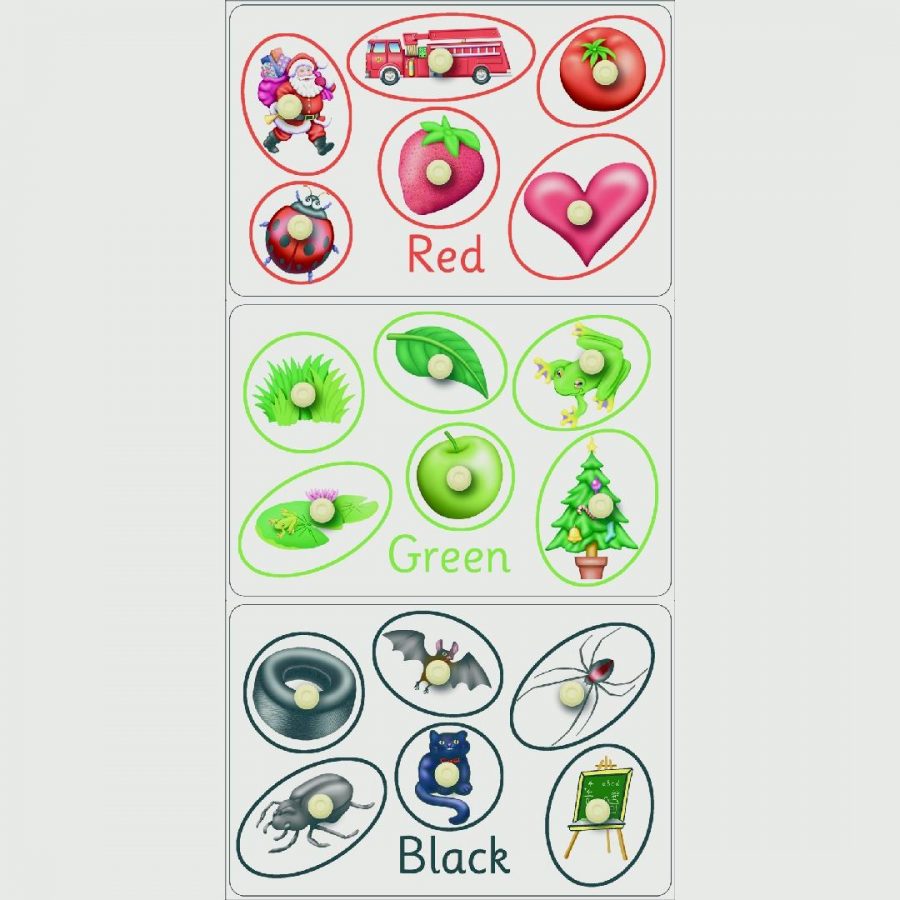
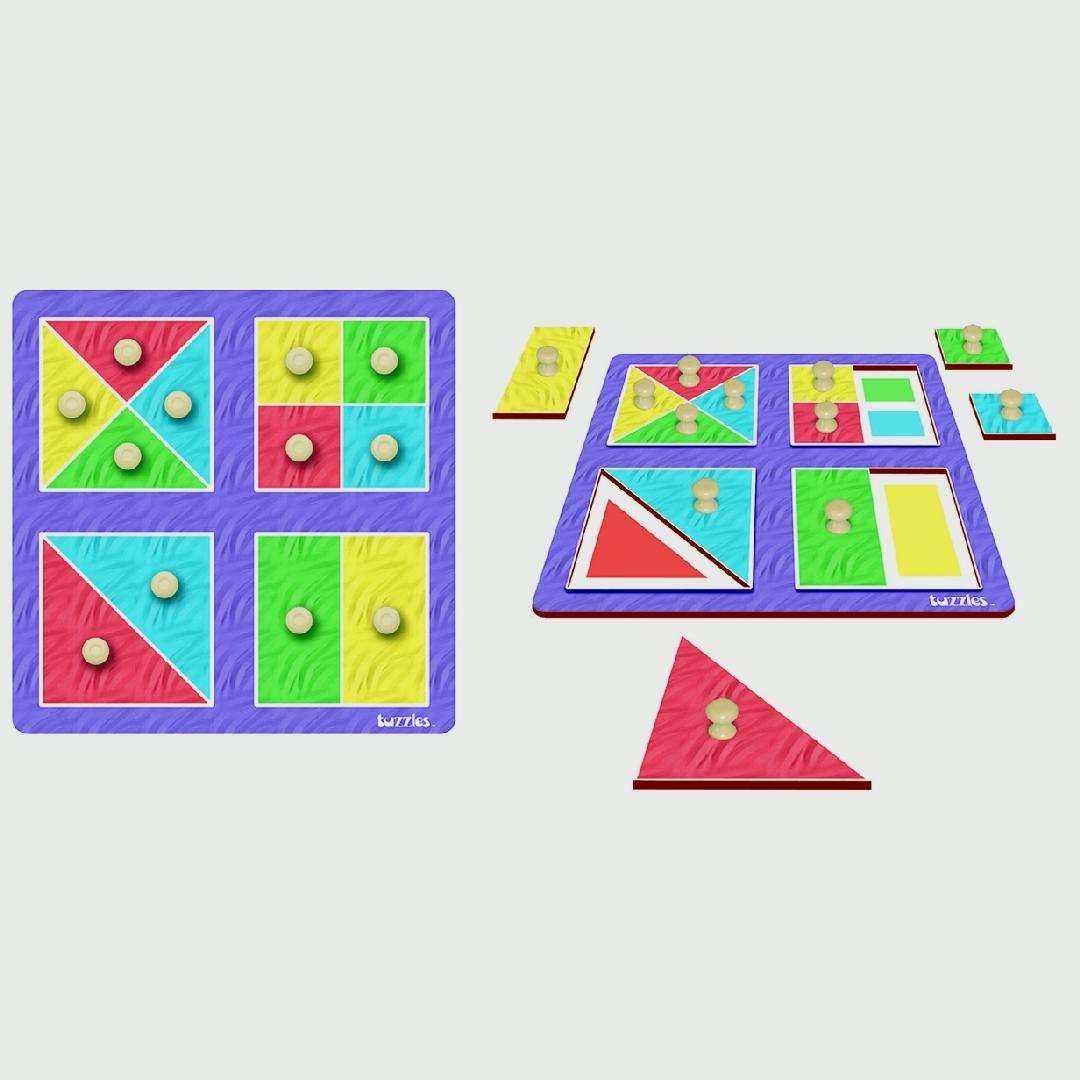
The Colour Match Shapes Peg Puzzle encourages children to engage in hands-on play, allowing them to explore and discover concepts of colour and shape through active participation. This type of play fosters inquiry as children experiment with fitting pieces into the correct spaces, promoting critical thinking and problem-solving skills in a natural and enjoyable context.
Developing early STEM and problem-solving skills
By matching shapes and colours, children are introduced to foundational STEM concepts. The puzzle supports their ability to recognise patterns and make connections, which are essential skills in early mathematical understanding. As children manipulate the puzzle pieces, they develop fine motor skills and hand-eye coordination, further enhancing their problem-solving abilities.
Relevant EYLF Outcomes
Outcome 4: Children are confident and involved learners.
Outcome 5: Children are effective communicators.
Classroom, Play Activity & Provocation Ideas
Classroom & Learning Area Ideas
Set up a dedicated puzzle corner where children can independently explore the Colour Match Shapes Peg Puzzle alongside other puzzles, promoting self-directed learning.
Incorporate the puzzle into a colour and shape display area, encouraging children to identify and discuss the shapes and colours they encounter in their environment.
Play-Based Activity Ideas
Facilitate a matching game where children take turns finding and naming the shapes and colours as they complete the puzzle, enhancing their language skills.
Encourage collaborative play by having small groups work together to complete the puzzle, fostering social interaction and teamwork.
Create a storytelling session where children describe their favourite shapes and colours from the puzzle, linking their play to language development.
Provocation Ideas
Introduce a variety of objects in the classroom that match the shapes and colours of the puzzle pieces, inviting children to explore and compare them.
Use the puzzle as a starting point for an art activity where children create their own shape and colour collages, integrating creative expression with their learning.