How this product aligns with the EYLF
Supporting play-based learning and inquiry
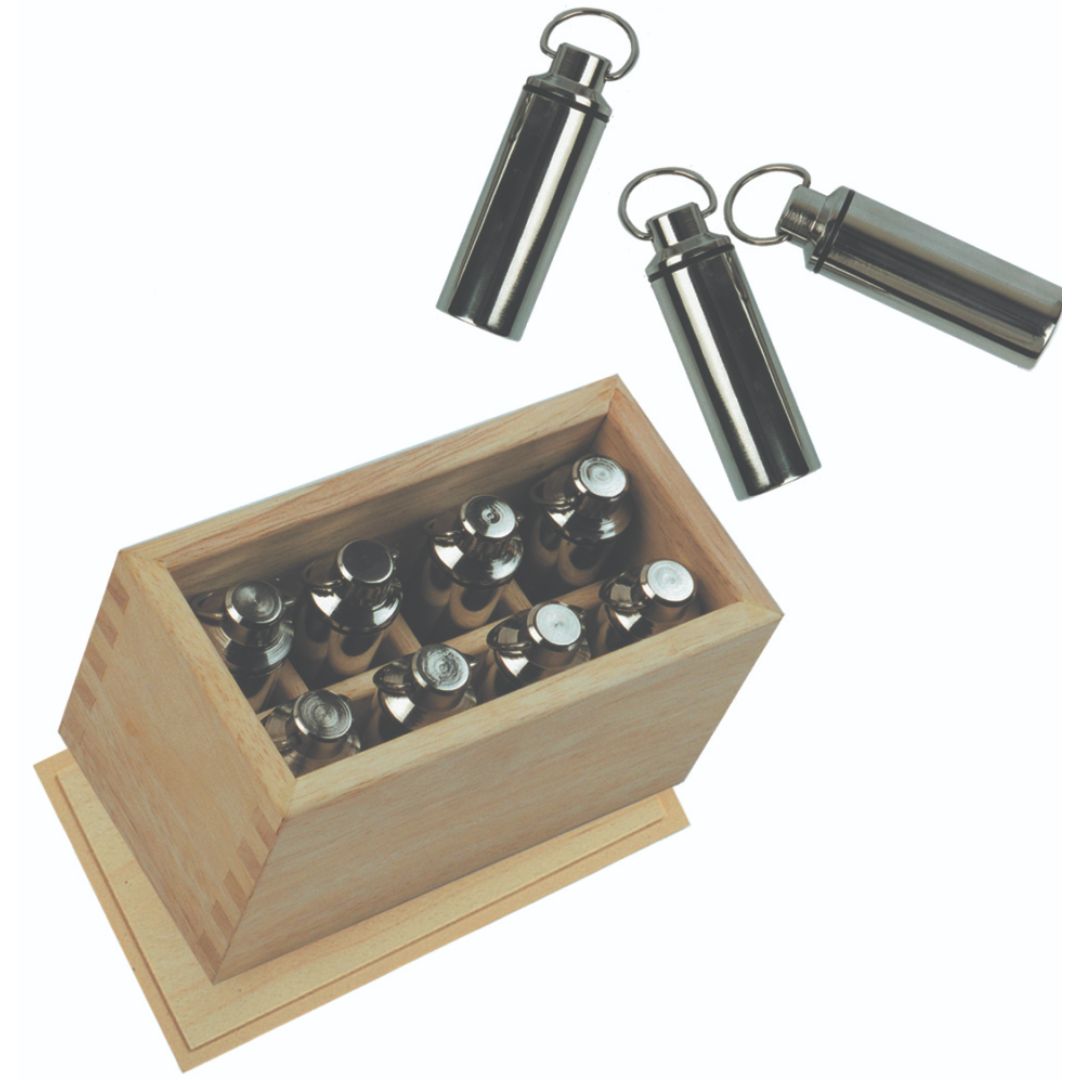
Thermic Bottles provide a hands-on opportunity for children to explore temperature differences through tactile experiences. By filling each bottle with varying temperatures of water, educators can facilitate inquiry-based learning, encouraging children to ask questions, make predictions, and engage in discussions about their observations.
Developing early STEM and problem-solving skills
This product supports the development of early STEM skills by allowing children to experiment with concepts of heat and cold. As they compare the sensations of different temperatures, children engage in problem-solving as they hypothesise about the outcomes and reflect on their findings, fostering critical thinking skills.
Relevant EYLF Outcomes
Outcome 2: Children are connected with and contribute to their world.
Outcome 4: Children are confident and involved learners.
Outcome 5: Children are effective communicators.
Classroom, Play Activity & Provocation Ideas
Classroom & Learning Area Ideas
Set up a science corner where children can independently explore the Thermic Bottles, encouraging them to record their observations in a simple journal.
Incorporate the bottles into a sensory play area, allowing children to feel the different temperatures and discuss their experiences with peers.
Play-Based Activity Ideas
Organise a temperature comparison game where children guess which bottle contains hot or cold water, promoting critical thinking and discussion.
Encourage children to create a story about their experiences with the Thermic Bottles, integrating language development and imaginative play.
Facilitate a group activity where children work together to arrange the bottles from coldest to hottest, enhancing collaborative problem-solving skills.
Provocation Ideas
Present the Thermic Bottles alongside a thermometer, inviting children to measure and record the temperatures, linking their tactile experiences to numerical data.
Use the bottles to spark a discussion about weather and seasons, encouraging children to connect their learning to the natural world and their everyday experiences.