How this product aligns with the EYLF
Supporting play-based learning and inquiry
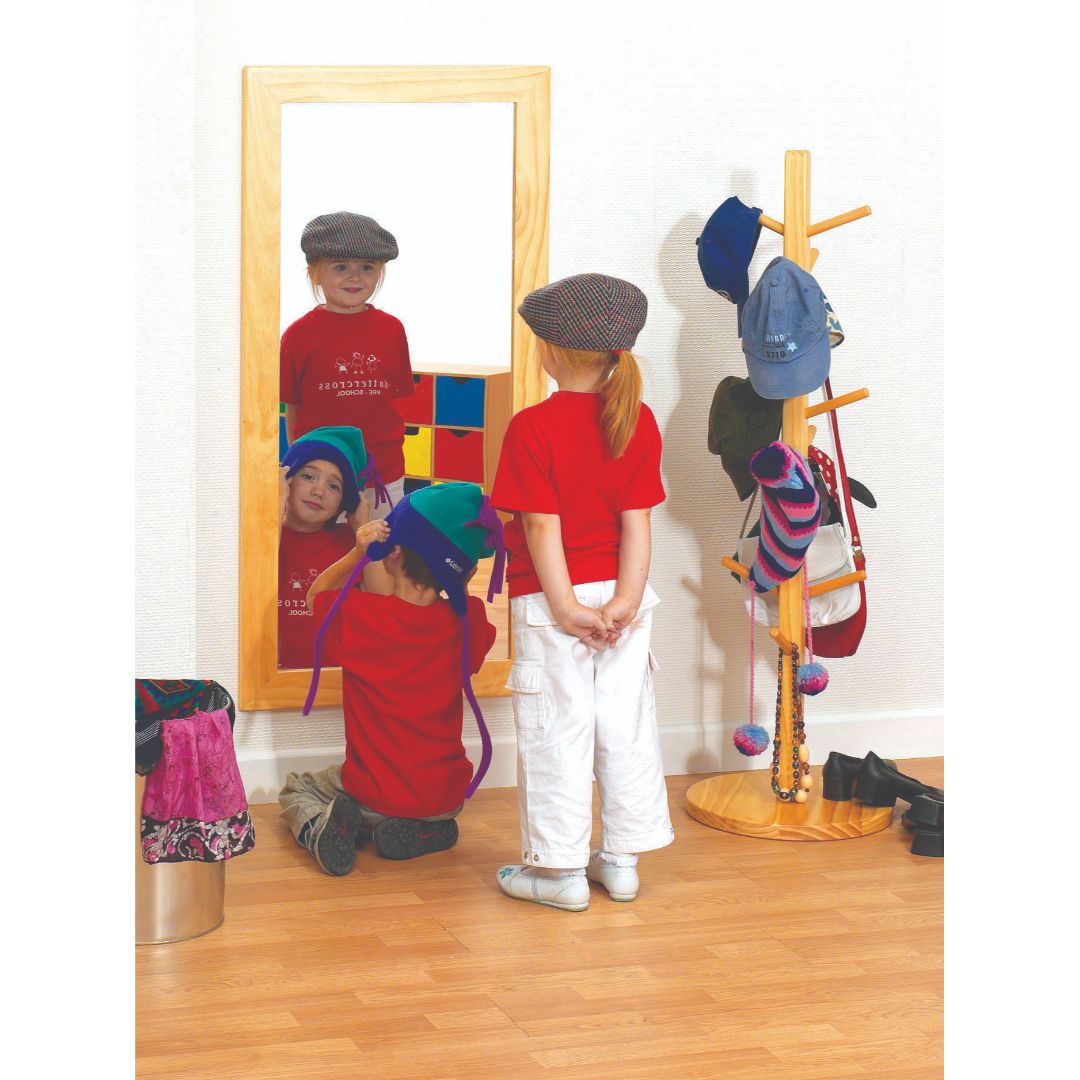
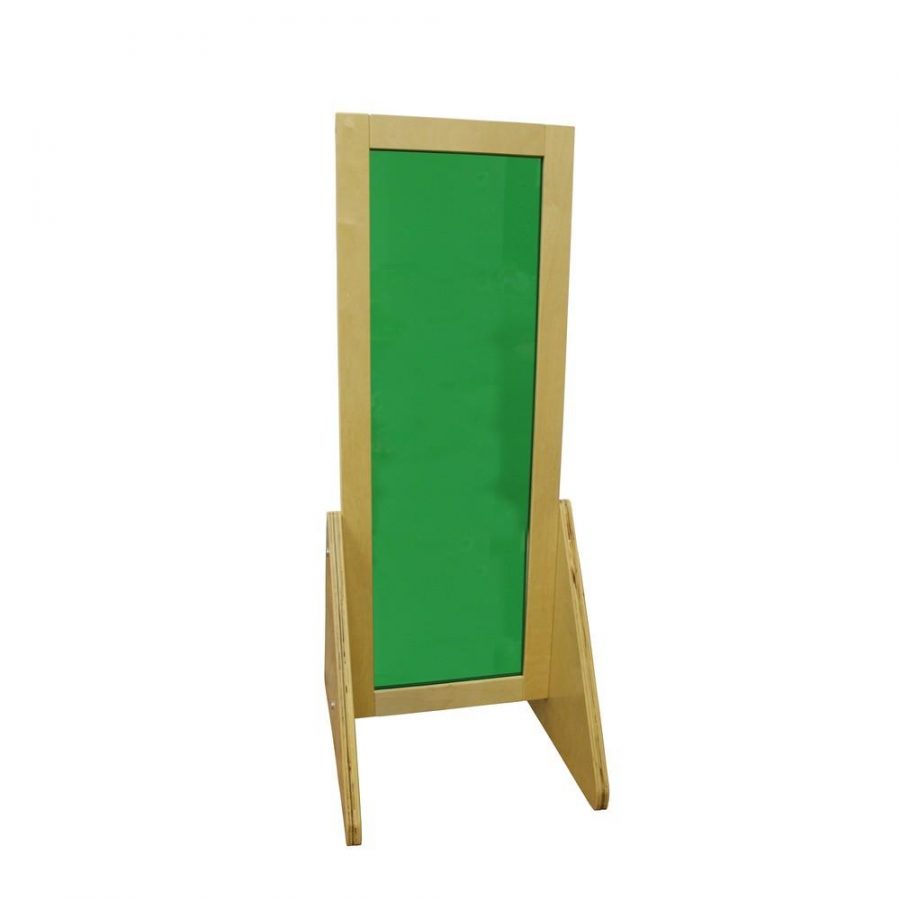
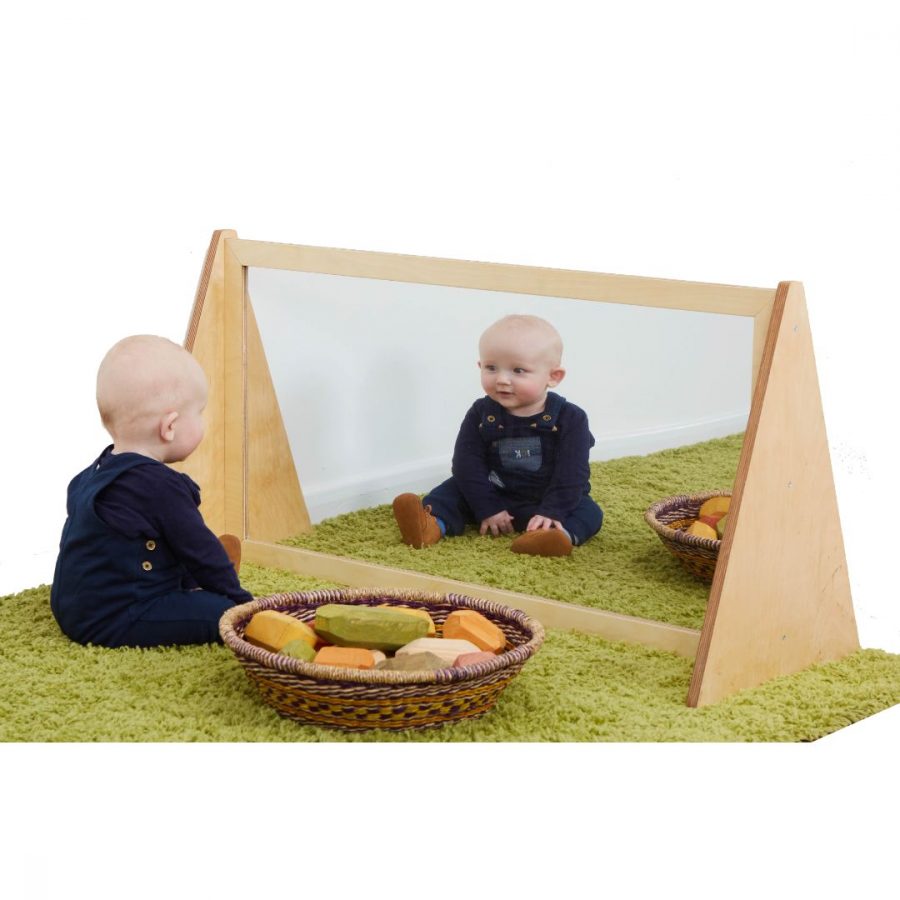
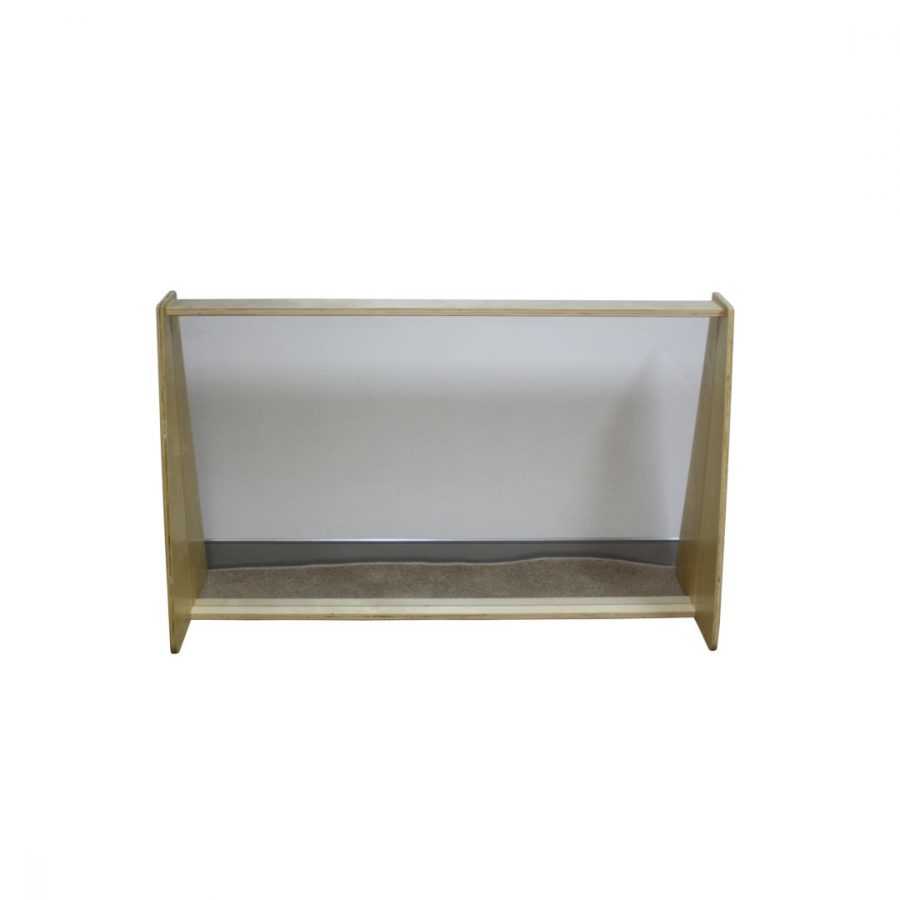
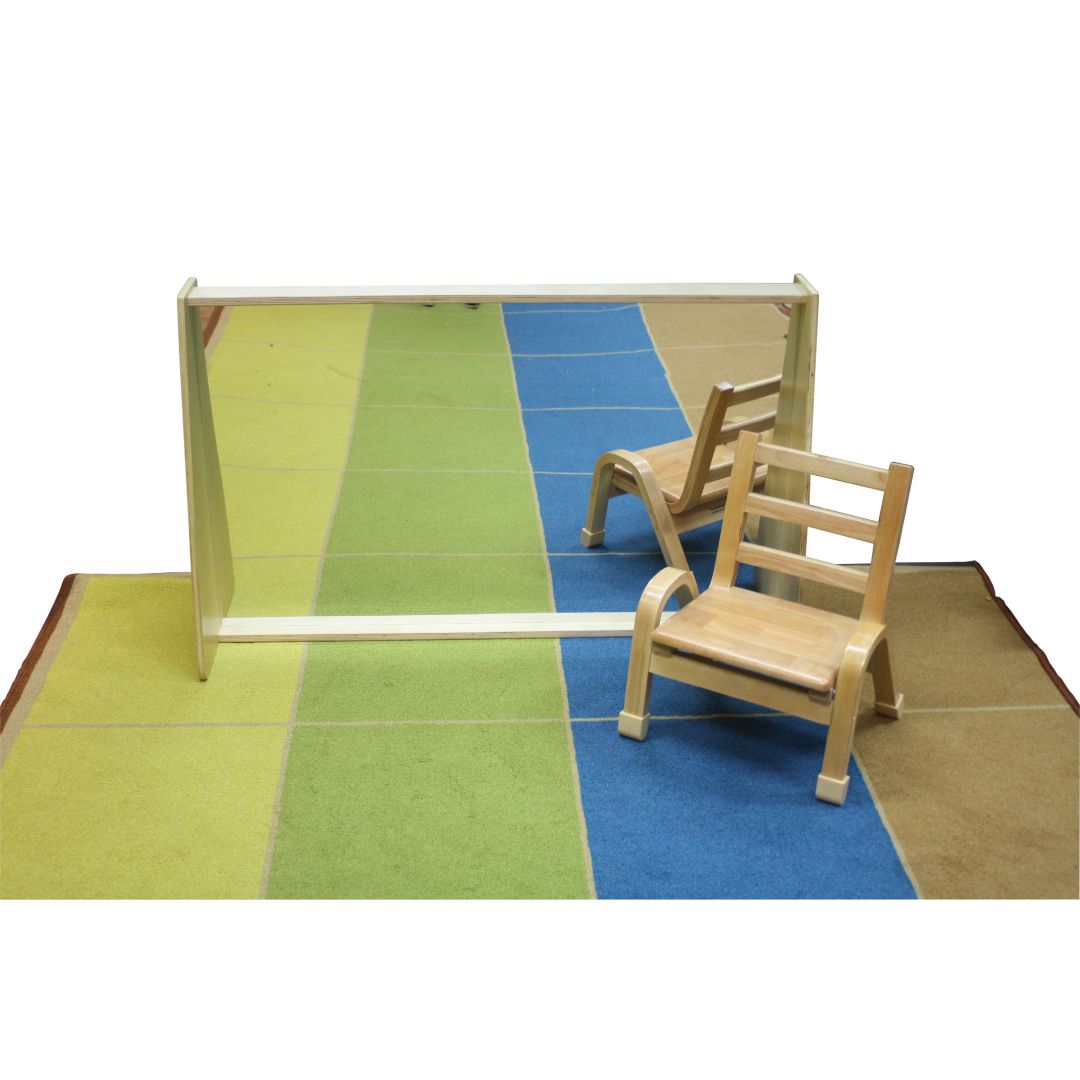
The wall mirror serves as a versatile tool that encourages children to engage in imaginative play. By incorporating the mirror into their play scenarios, children can explore various roles and situations, fostering their creativity and curiosity in a safe environment.
Building language, imagination, and social skills
Through role play facilitated by the mirror, children can enhance their social interaction skills as they communicate and collaborate with peers. This interaction supports language development as they articulate their thoughts and ideas during play, enriching their overall learning experience.
Relevant EYLF Outcomes
Outcome 1: Children have a strong sense of identity
Outcome 2: Children are connected with and contribute to their world
Outcome 5: Children are effective communicators
Classroom, Play Activity & Provocation Ideas
Classroom & Learning Area Ideas
Incorporate the mirror into a dramatic play area where children can dress up and act out various roles, promoting social interaction and storytelling. Position the mirror in a quiet corner to create a reflective space for children to explore their emotions and self-awareness.
Play-Based Activity Ideas
Encourage children to use the mirror during a ‘mirror play’ activity where they can mimic each other’s movements, enhancing their understanding of body language and coordination. Set up a ‘daily routines’ role play where children can practice personal care skills, such as brushing their teeth or combing their hair, using the mirror as a guide.
Provocation Ideas
Introduce a theme around ‘who do you want to be?’ and invite children to express their ideas in front of the mirror, fostering both imagination and verbal expression. Use the mirror to prompt discussions about emotions, asking children to identify and express how they feel while looking at their reflection.