How this product aligns with the EYLF
Supporting play-based learning and inquiry
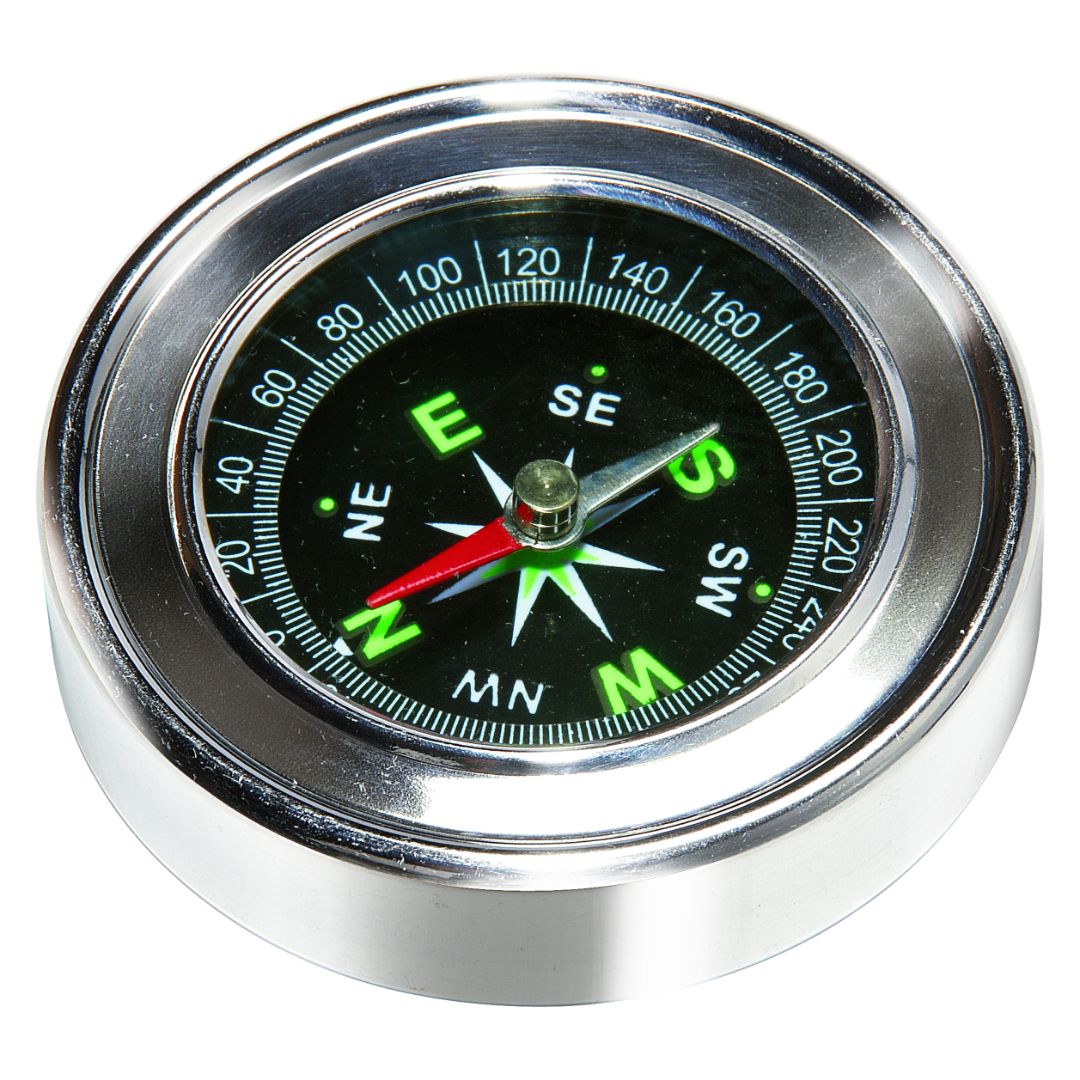
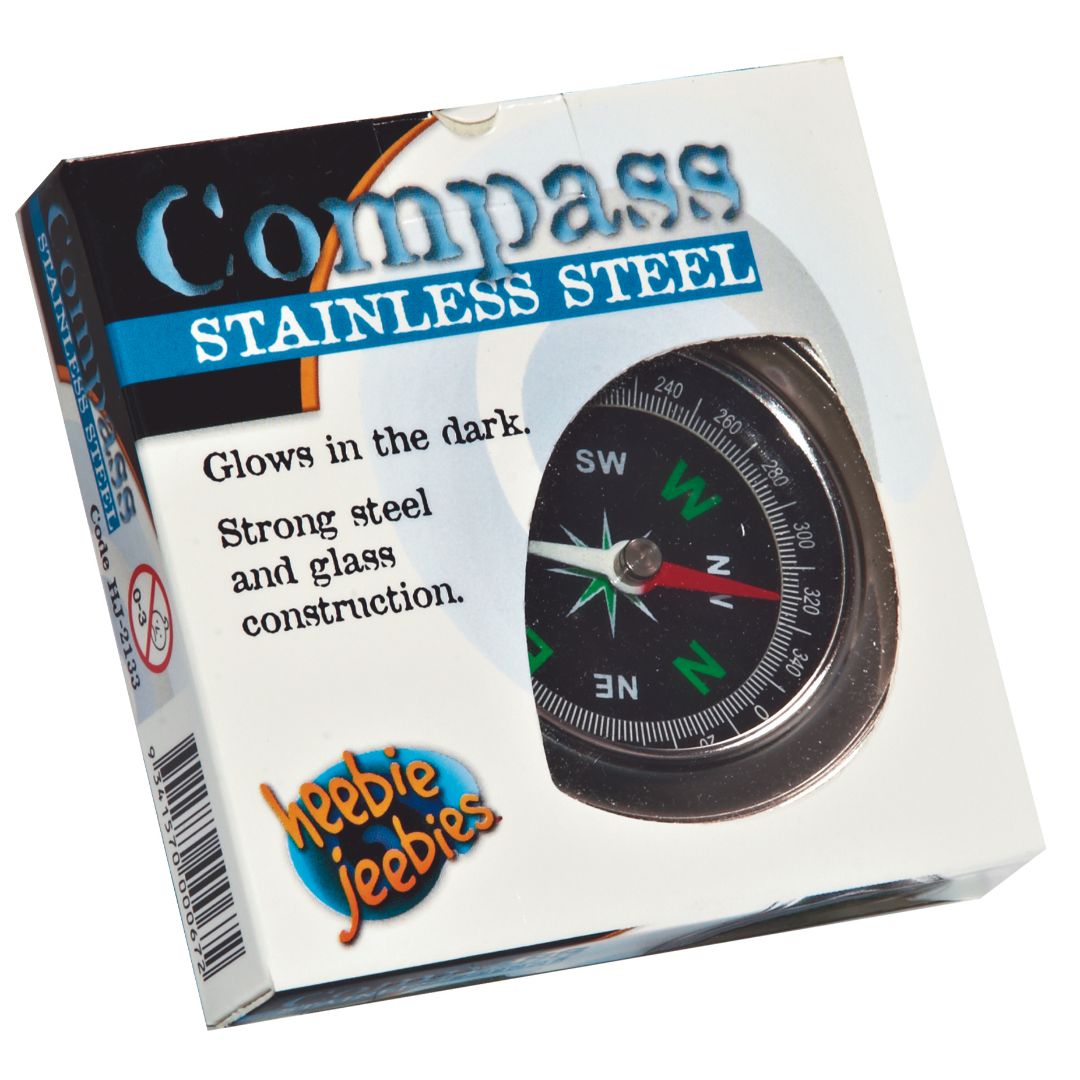
The stainless steel compass invites children to engage in exploratory play, fostering their curiosity about navigation and the natural world. Through hands-on experiences, children can investigate concepts of direction and distance, encouraging inquiry-based learning as they ask questions and seek answers about their surroundings.
Developing early STEM and problem-solving skills
This compass serves as a practical tool for children to develop foundational STEM skills by understanding spatial awareness and directional concepts. As they learn to use the compass, children can engage in problem-solving activities, such as mapping out a course or finding their way in a designated play area, enhancing their critical thinking abilities.
Relevant EYLF Outcomes
Outcome 2: Children are connected with and contribute to their world.
Outcome 4: Children are confident and involved learners.
Outcome 5: Children are effective communicators.
Classroom, Play Activity & Provocation Ideas
Classroom & Learning Area Ideas
Set up a ‘navigation station’ where children can explore the compass alongside maps and globes, encouraging discussions about geography and direction.
Incorporate the compass into a science corner, allowing children to experiment with how it works and relate it to the Earth’s magnetic field.
Play-Based Activity Ideas
Organise a treasure hunt where children use the compass to find hidden objects, promoting teamwork and problem-solving skills.
Create a storytelling session where children share adventures involving navigation, using the compass as a prop to inspire their narratives.
Encourage outdoor exploration by having children use the compass to navigate a designated area, fostering their connection to the environment.
Provocation Ideas
Present a scenario where children must find their way back to a ‘base camp’ using the compass, prompting discussions about direction and teamwork.
Invite children to create their own maps of the learning environment, integrating the compass to enhance their understanding of spatial relationships.