How this product aligns with the EYLF
Supporting play-based learning and inquiry
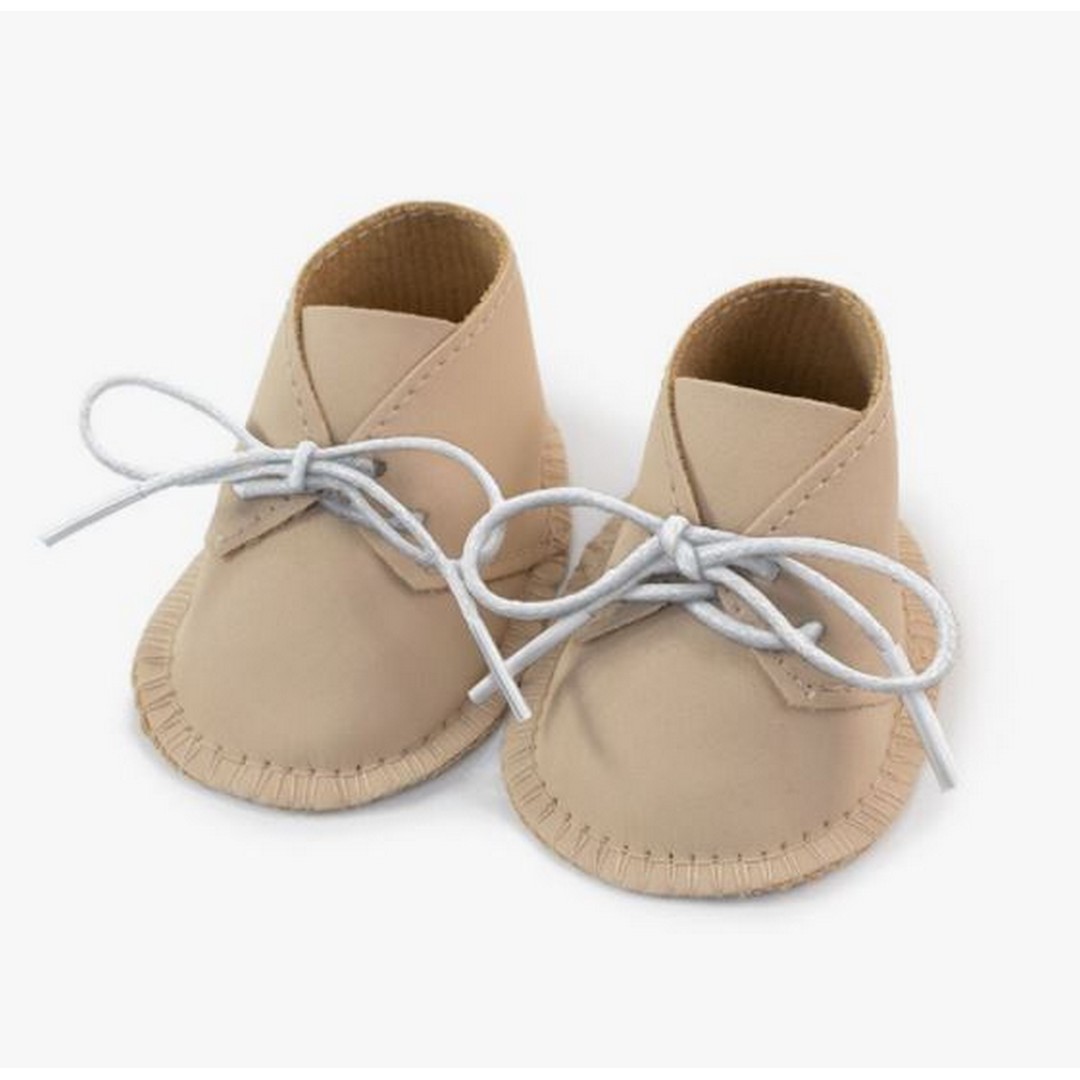
The Gender Neutral Dolls Shoes encourage children to engage in imaginative play, allowing them to explore roles and scenarios as they dress and care for their dolls. This hands-on experience promotes inquiry as children experiment with different fastenings and develop their understanding of care and empathy through role play.
Building language, imagination, and social skills
As children interact with their peers while using the dolls and shoes, they naturally engage in conversations that enhance their language development. This product provides opportunities for storytelling and imaginative scenarios, fostering social skills as children collaborate and negotiate roles in their play.
Relevant EYLF Outcomes
Outcome 1: Children have a strong sense of identity
Outcome 2: Children are connected with and contribute to their world
Outcome 5: Children are effective communicators
Classroom, Play Activity & Provocation Ideas
Classroom & Learning Area Ideas
Set up a role play area where children can dress their dolls, encouraging them to explore different scenarios and practice social interactions.
Incorporate the shoes into a themed area that reflects community roles, allowing children to explore various occupations through imaginative play.
Play-Based Activity Ideas
Organise a ‘Doll Care Day’ where children can practice dressing and caring for their dolls, discussing feelings and responsibilities in the process.
Encourage children to create stories around their dolls, using the shoes as a prop to inspire narratives about adventures or daily routines.
Facilitate a group activity where children can share their dolls and shoes, promoting cooperation and language skills through collaborative play.
Provocation Ideas
Present a selection of dolls and shoes in a display to provoke curiosity and invite children to explore different ways to dress and care for their dolls.
Introduce a discussion about different types of shoes and their purposes, encouraging children to think critically about clothing and identity in their play.