
How this product aligns with the EYLF
Supporting play-based learning and inquiry
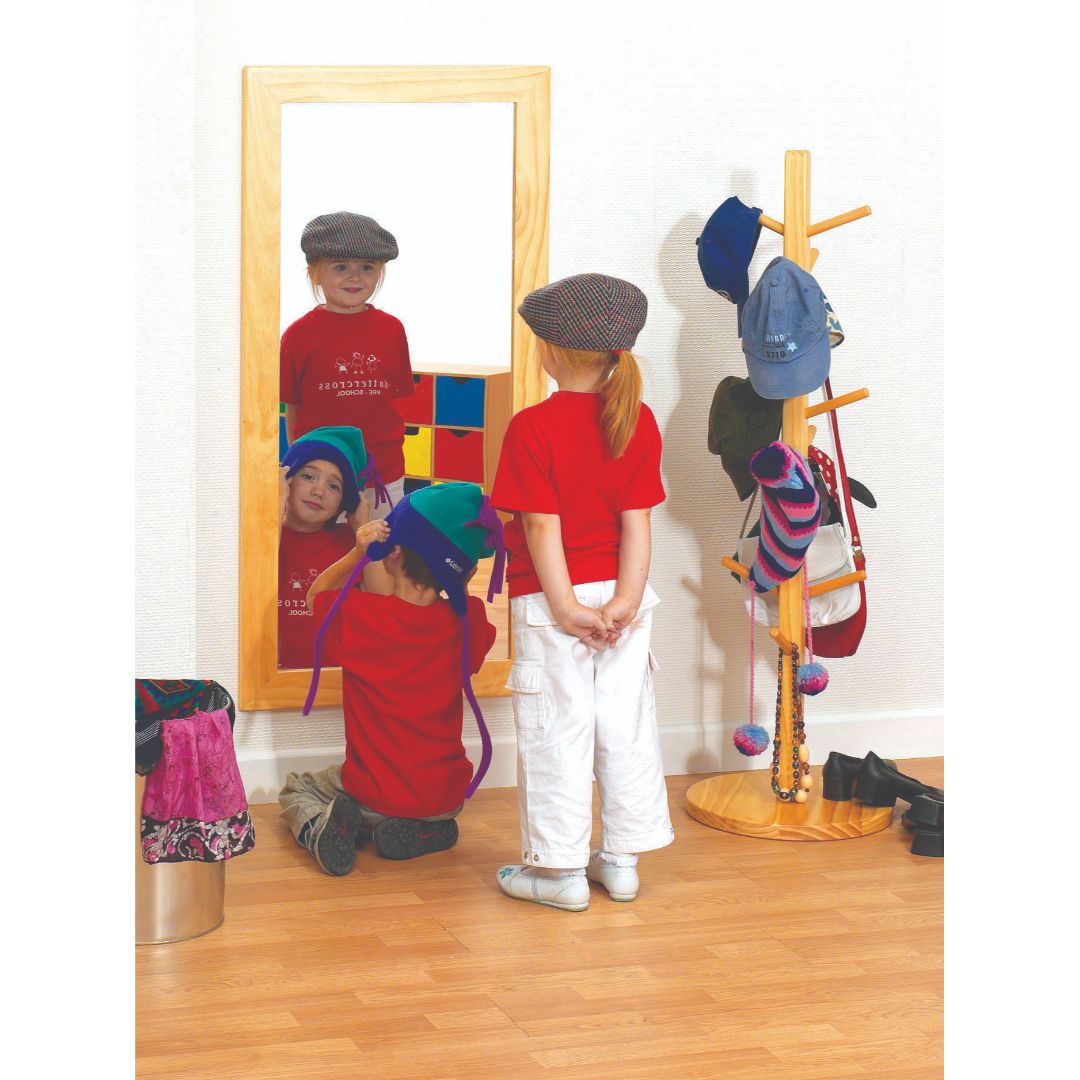
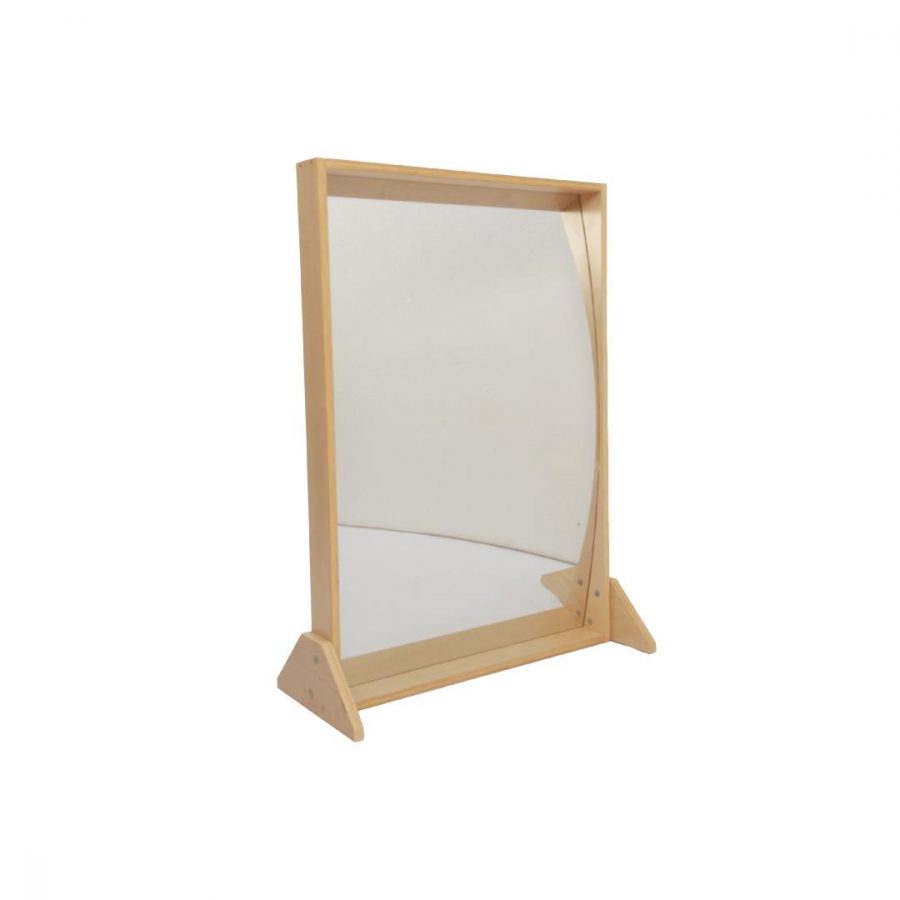
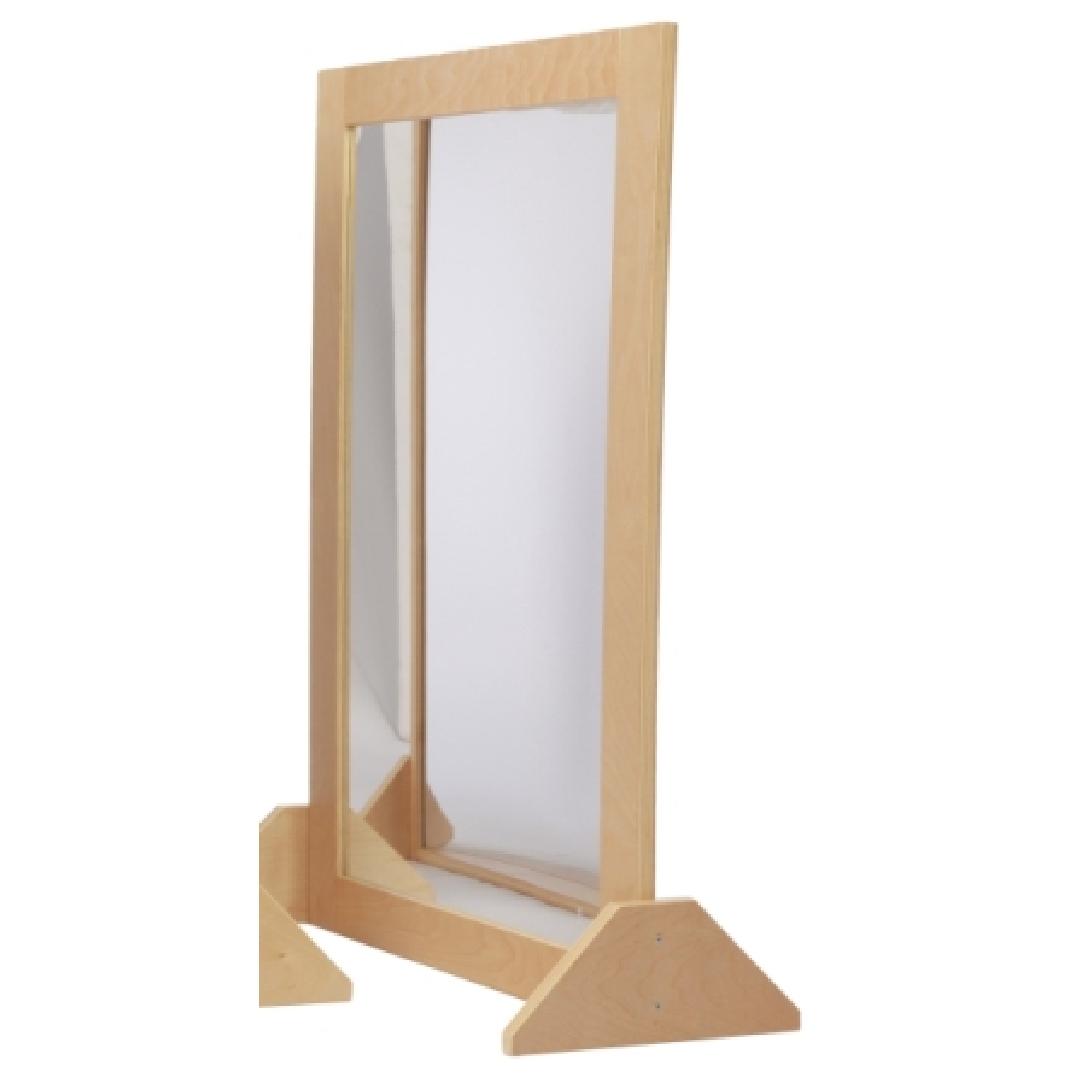
The Straight Mirror Frame serves as a versatile tool in early learning environments, encouraging children to engage in play-based learning. By incorporating mirrors into their play, children can explore their reflections, experiment with light and angles, and engage in imaginative scenarios, all of which foster inquiry and discovery.
Building language, imagination, and social skills
The use of mirrors in the classroom can enhance children’s language development as they describe their reflections or create stories around what they see. This interactive element promotes social skills as children collaborate and communicate during play, sharing ideas and engaging in role-play scenarios that stimulate their imagination.
Relevant EYLF Outcomes
Outcome 1: Children have a strong sense of identity
Outcome 2: Children are connected with and contribute to their world
Outcome 5: Children are effective communicators
Classroom, Play Activity & Provocation Ideas
Classroom & Learning Area Ideas
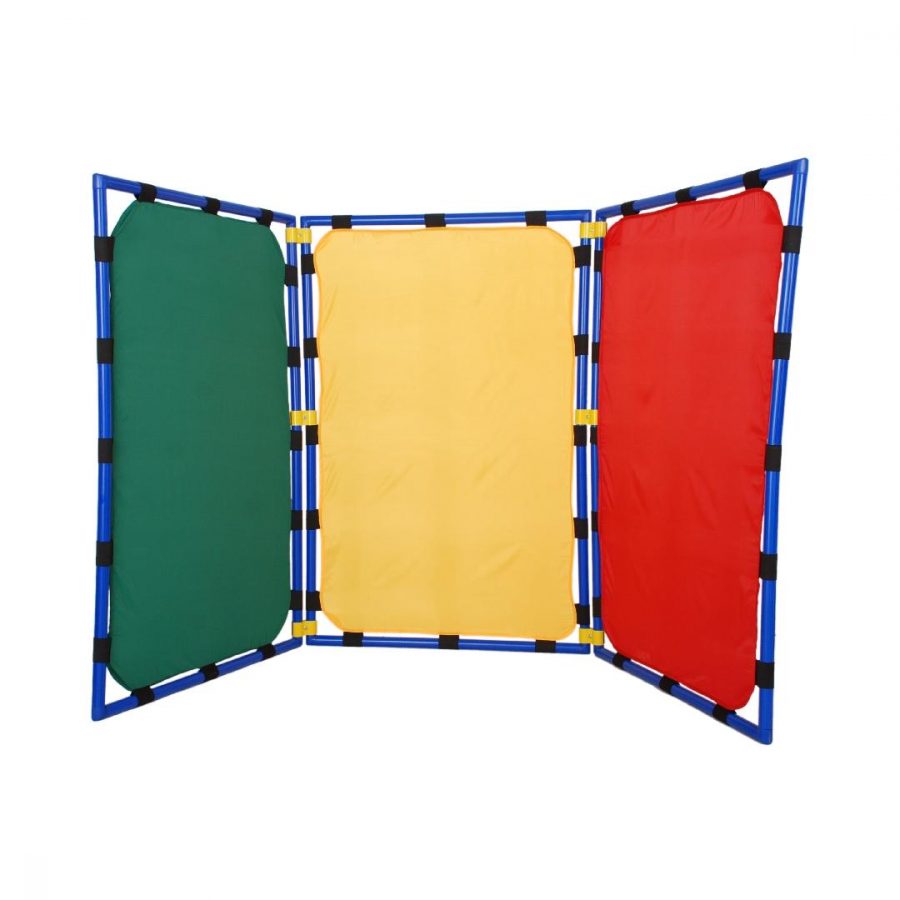
Set up the Straight Mirror Frame in the home corner to encourage role-play and social interaction, allowing children to see themselves in various scenarios. Use the mirror as a room divider to create distinct learning areas, promoting exploration and independent play.
Play-Based Activity Ideas
Encourage children to engage in a “reflection art” activity where they create drawings inspired by their reflections in the mirror. Facilitate a game where children take turns making funny faces or poses in front of the mirror, promoting laughter and language development as they describe their actions.
Provocation Ideas
Introduce a storytelling session where children can use the mirror to act out characters or scenes from their favourite stories, enhancing their narrative skills. Place the mirror in a science exploration area to invite children to investigate concepts of light and reflection, sparking curiosity and discussion.