How this product aligns with the EYLF
Supporting play-based learning and inquiry
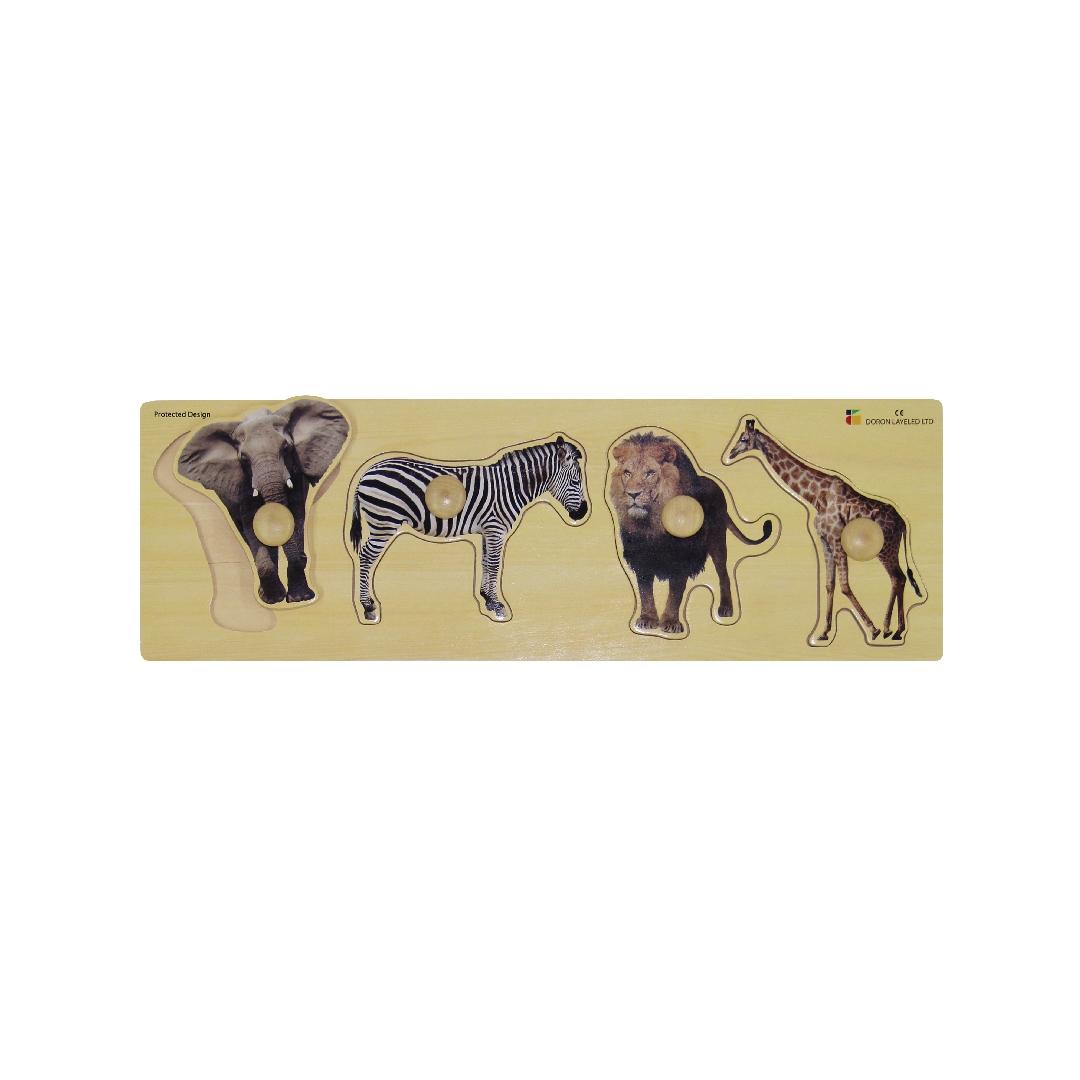
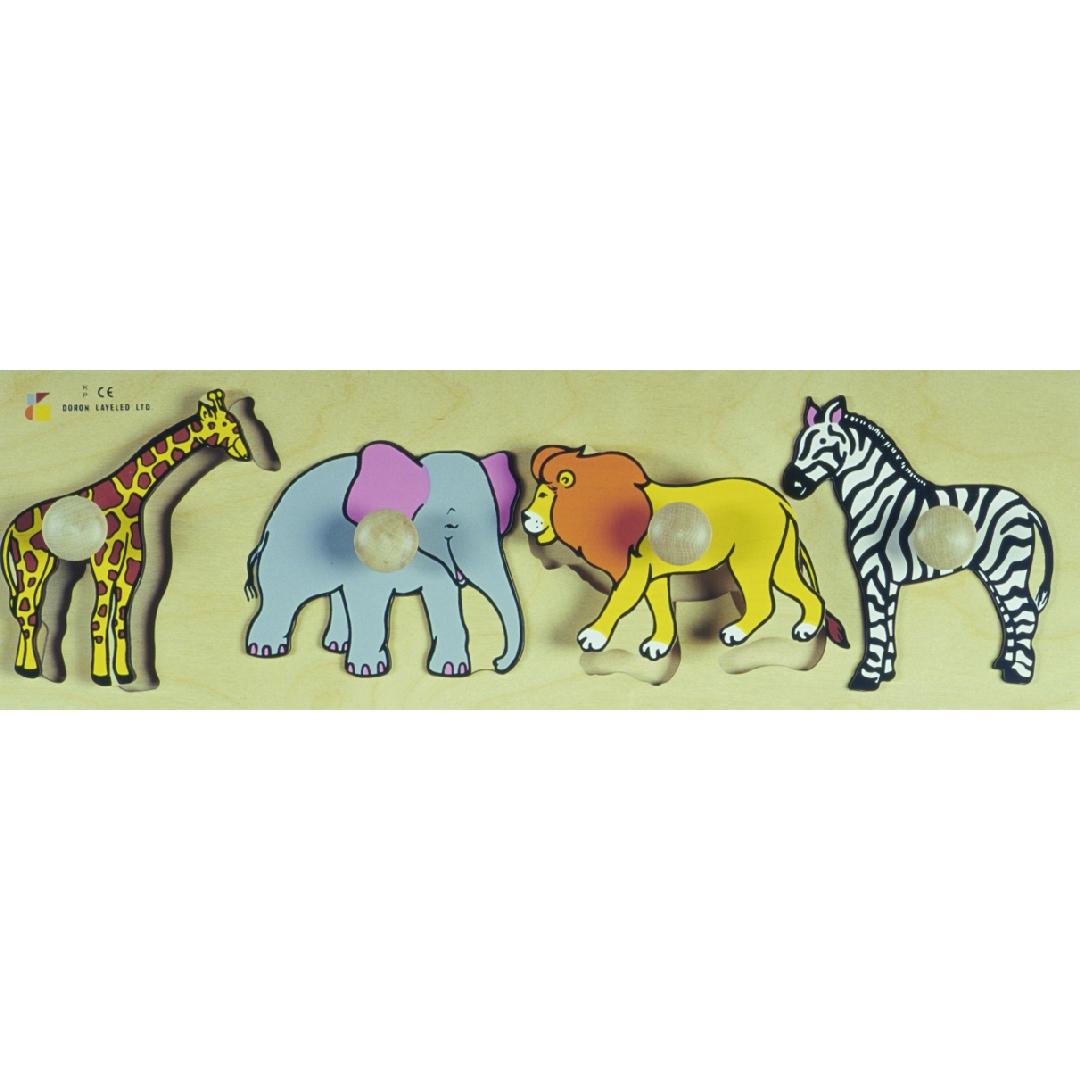
The Real Life Giant Wild Animal Puzzle encourages toddlers to engage in play-based learning by exploring the shapes and images of various animals. As children manipulate the oversized pieces, they are prompted to inquire about the animals, fostering curiosity and encouraging discussions about their characteristics and habitats.
Building language, imagination, and social skills
This puzzle serves as a tool for enhancing language development as educators can introduce new vocabulary related to animals and their environments during play. Children can engage in cooperative play, sharing their thoughts and ideas about the animals, which promotes social interaction and imaginative storytelling.
Relevant EYLF Outcomes
Outcome 1: Children have a strong sense of identity
Outcome 2: Children are connected with and contribute to their world
Outcome 5: Children are effective communicators
Classroom, Play Activity & Provocation Ideas
Classroom & Learning Area Ideas
Set up a dedicated animal corner where the puzzle can be displayed alongside books and images of the featured animals, encouraging exploration and discussion.
Incorporate the puzzle into a themed learning area focused on wildlife, allowing children to engage with related materials and activities.
Play-Based Activity Ideas
Encourage children to create their own animal stories using the puzzle pieces as prompts, fostering imagination and narrative skills.
Organise a group activity where children work together to complete the puzzle, promoting teamwork and communication skills.
Introduce a matching game where children match the puzzle pieces to pictures of the animals in books or posters, enhancing recognition and vocabulary.
Provocation Ideas
Present the puzzle alongside a sensory bin filled with natural materials related to the animals, such as leaves or stones, to spark curiosity and exploration.
Use the puzzle as a starting point for a discussion about animal habitats, prompting children to think critically about where these animals live and how they interact with their environment.