How this product aligns with the EYLF
Supporting play-based learning and inquiry
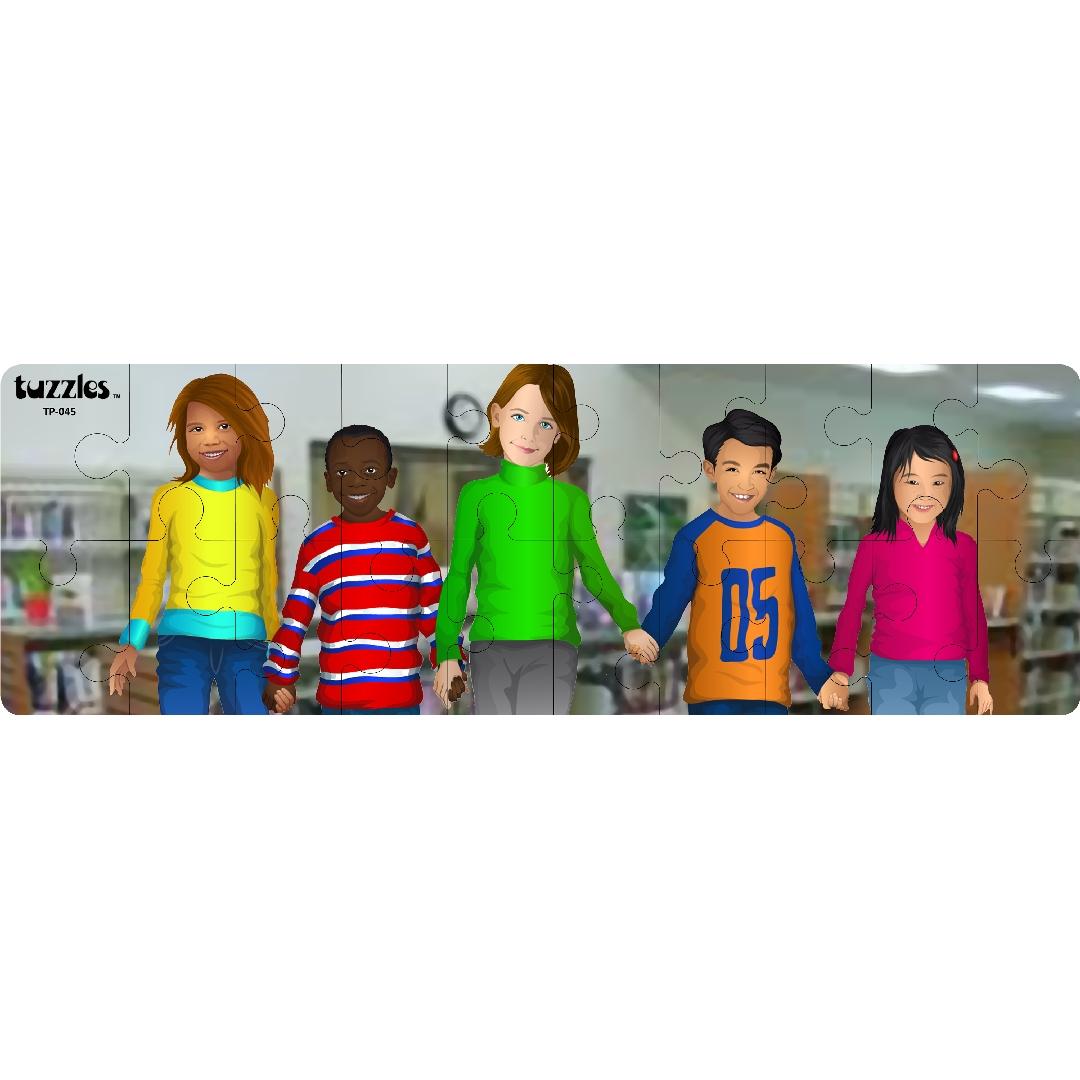
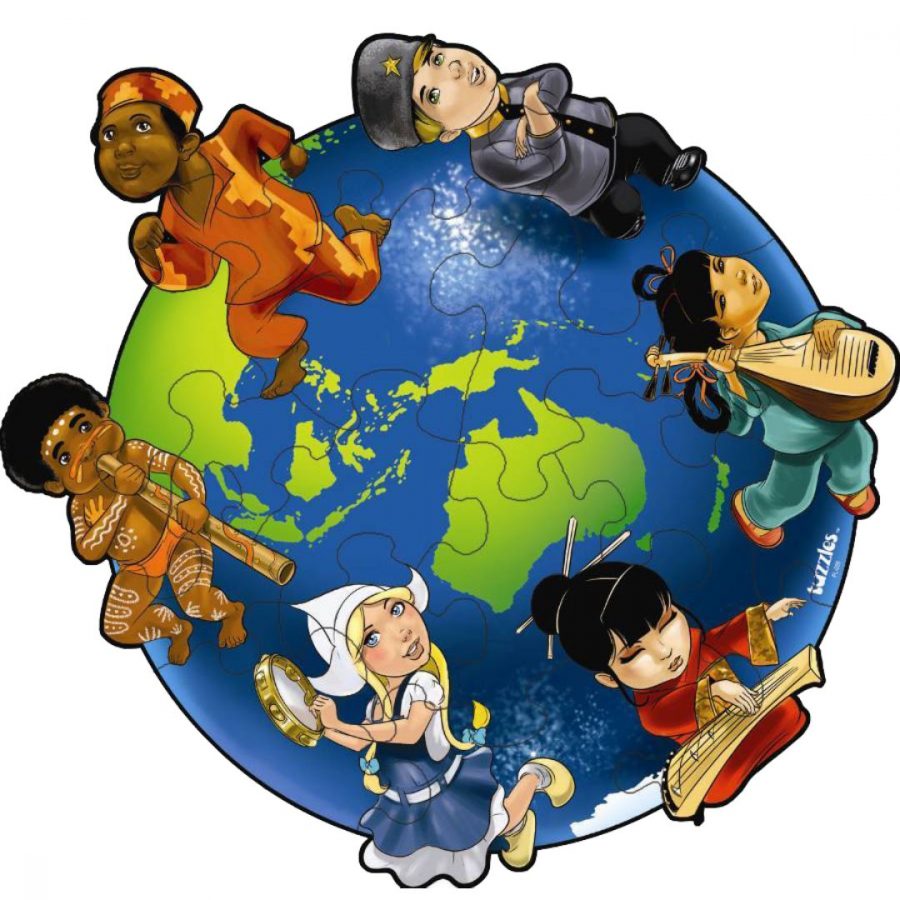
The Multicultural Kids Puzzle Frieze provides a hands-on opportunity for children to engage in play-based learning. As they manipulate the puzzle pieces, children can explore themes of diversity and inclusion, fostering inquiry into different cultures and the importance of unity within a community.
Building language, imagination, and social skills
This puzzle serves as a catalyst for conversations among children, encouraging them to express their thoughts and feelings about diversity. Through collaborative play, children can develop their language skills and enhance their social interactions as they discuss the characters and their backgrounds, promoting empathy and understanding.
Relevant EYLF Outcomes
Outcome 1: Children have a strong sense of identity.
Outcome 2: Children are connected with and contribute to their world.
Outcome 5: Children are effective communicators.
Classroom, Play Activity & Provocation Ideas
Classroom & Learning Area Ideas
Set up a multicultural corner in the classroom where the puzzle can be displayed alongside books and images representing various cultures, inviting children to explore and learn more about diversity.
Incorporate the puzzle into a themed learning area focused on community and inclusion, allowing children to engage with it during free play.
Play-Based Activity Ideas
Encourage children to work in pairs or small groups to complete the puzzle, fostering teamwork and communication as they discuss the different cultural backgrounds represented.
After completing the puzzle, prompt children to create their own stories about the characters, enhancing their imaginative play and storytelling skills.
Use the puzzle as a starting point for role-play activities where children can act out scenarios that promote respect and understanding among diverse groups.
Provocation Ideas
Introduce the puzzle during a discussion about family and community, asking children to share their own cultural backgrounds and experiences.
Create a matching game using images of the children from the puzzle and other cultural symbols, encouraging children to make connections and learn about different cultures in a playful way.