How this product aligns with the EYLF
Supporting play-based learning and inquiry
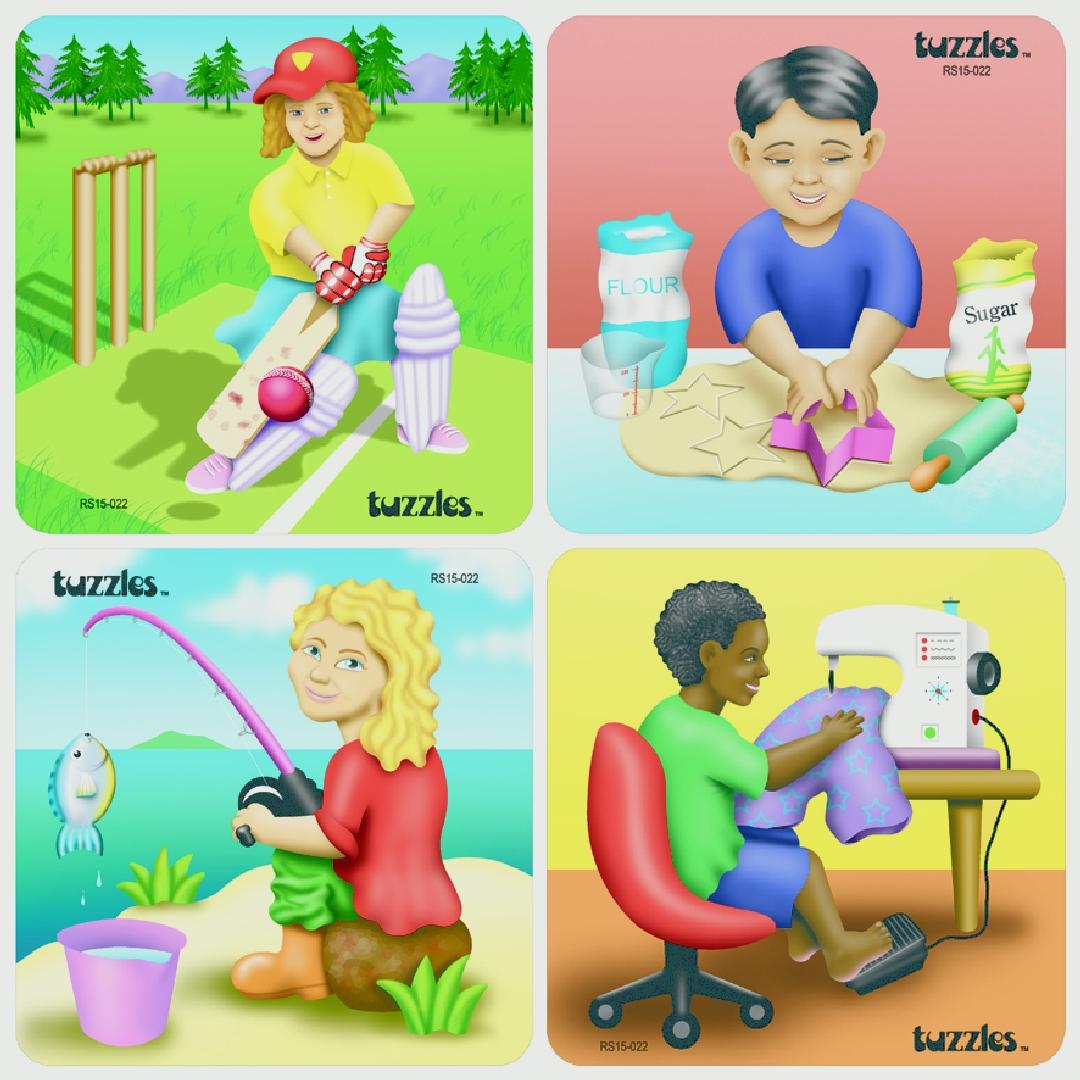
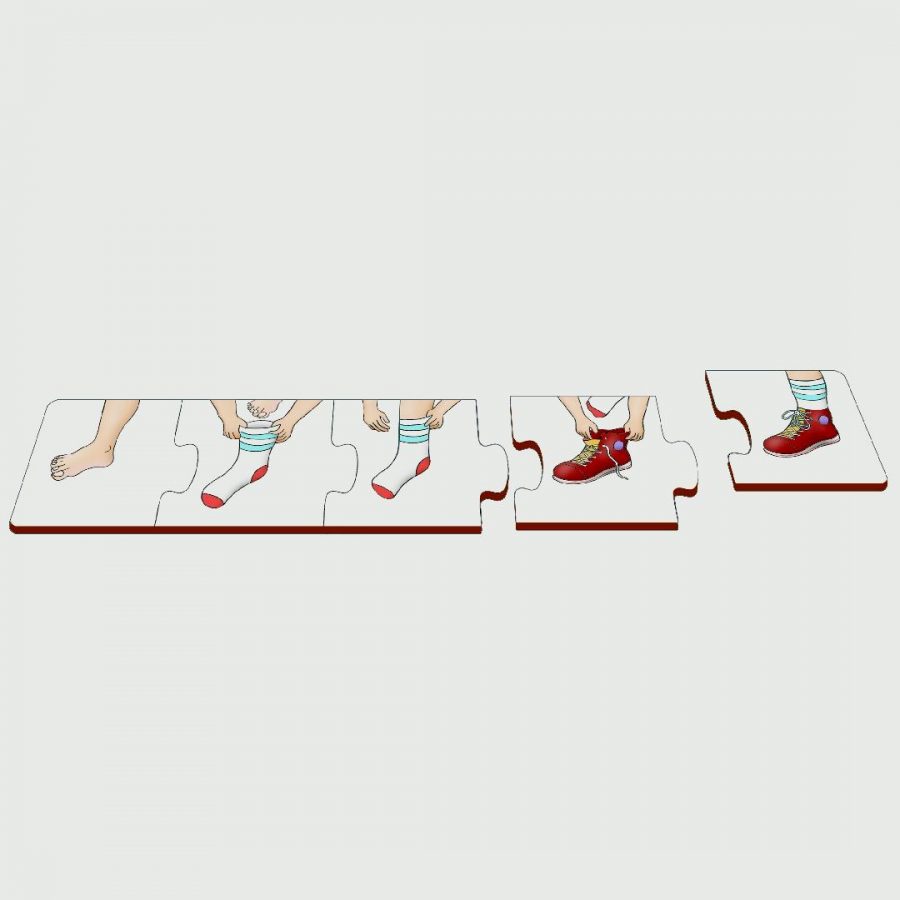
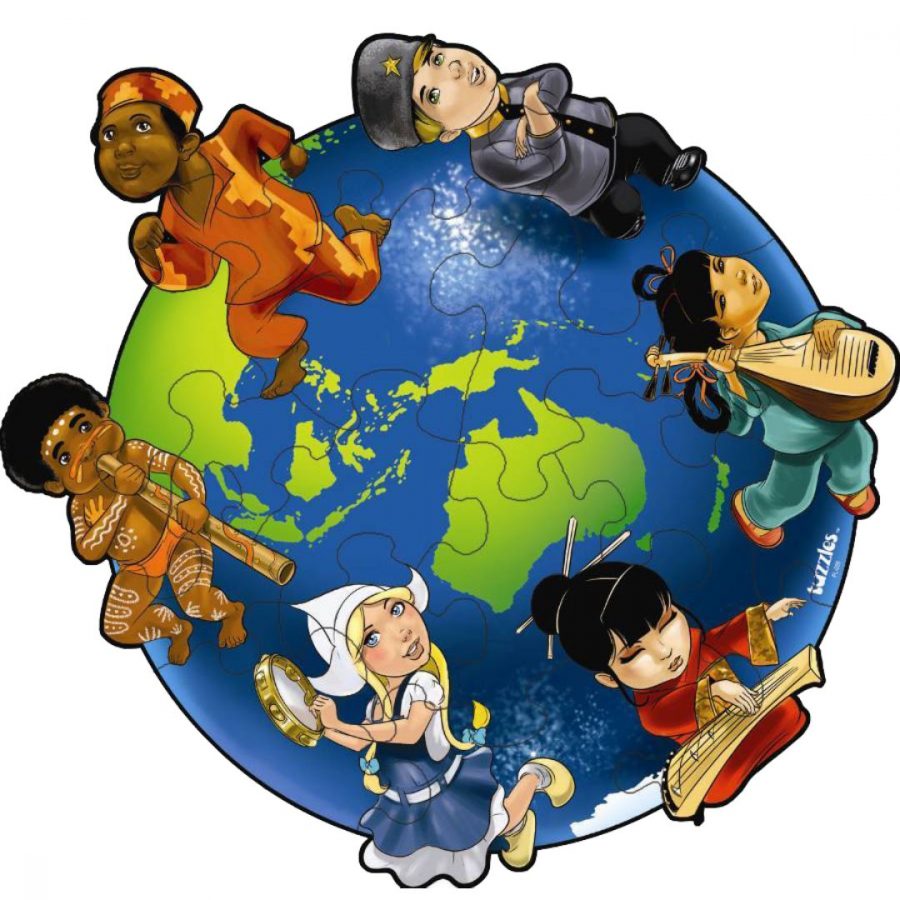
The Gender Equity Puzzle Set encourages children to engage in play-based learning by exploring concepts of gender equality and diversity through interactive puzzle-solving. As children manipulate the pieces, they can initiate discussions and inquiries about these important social themes, fostering critical thinking and understanding in a playful context.
Building language, imagination, and social skills
Using the puzzles as a conversation starter, educators can facilitate discussions that enhance children’s language development and social skills. As children work together to complete the puzzles, they practice sharing ideas, expressing their thoughts, and collaborating, which are vital components of their social interactions and communication skills.
Relevant EYLF Outcomes
Outcome 1: Children have a strong sense of identity
Outcome 2: Children are connected with and contribute to their world
Outcome 5: Children are effective communicators
Classroom, Play Activity & Provocation Ideas
Classroom & Learning Area Ideas
Set up a dedicated area with the Gender Equity Puzzle Set, encouraging children to explore the puzzles independently or in small groups, fostering collaborative play and discussion. Integrate the puzzles into a broader theme on diversity, using related books and resources to enrich the learning environment.
Play-Based Activity Ideas
Encourage children to create their own stories or scenarios based on the images in the puzzles, promoting imaginative play and narrative skills. Use the puzzles as a basis for role-playing activities where children can act out different scenarios related to gender roles and equality, enhancing their understanding through experiential learning.
Provocation Ideas
Introduce the puzzles during group discussions about fairness and respect, prompting children to share their thoughts and experiences related to these themes. Use the completed puzzles as a visual aid to spark conversations about diversity and inclusion, allowing children to express their ideas and feelings in a supportive environment.