How this product aligns with the EYLF
Supporting play-based learning and inquiry
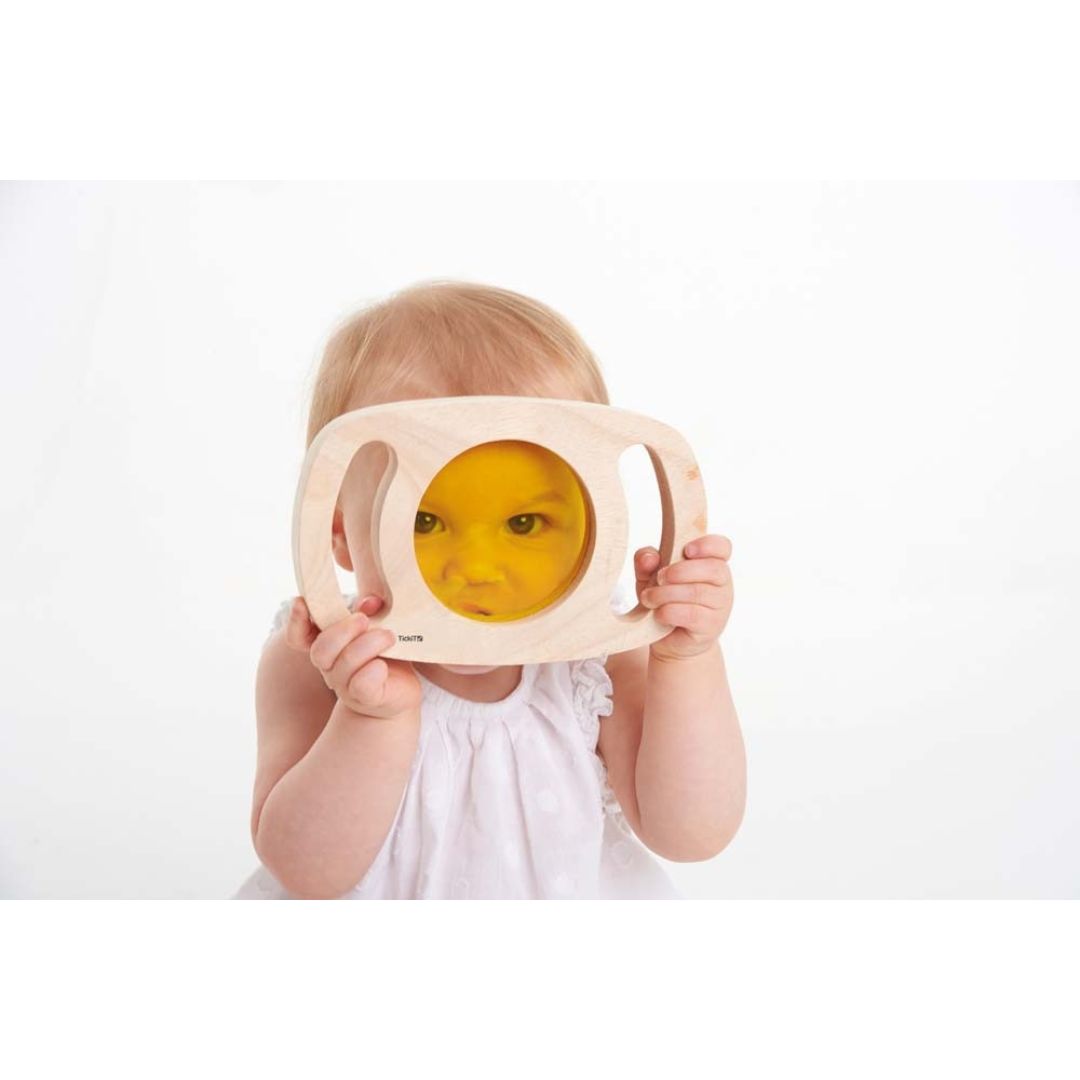
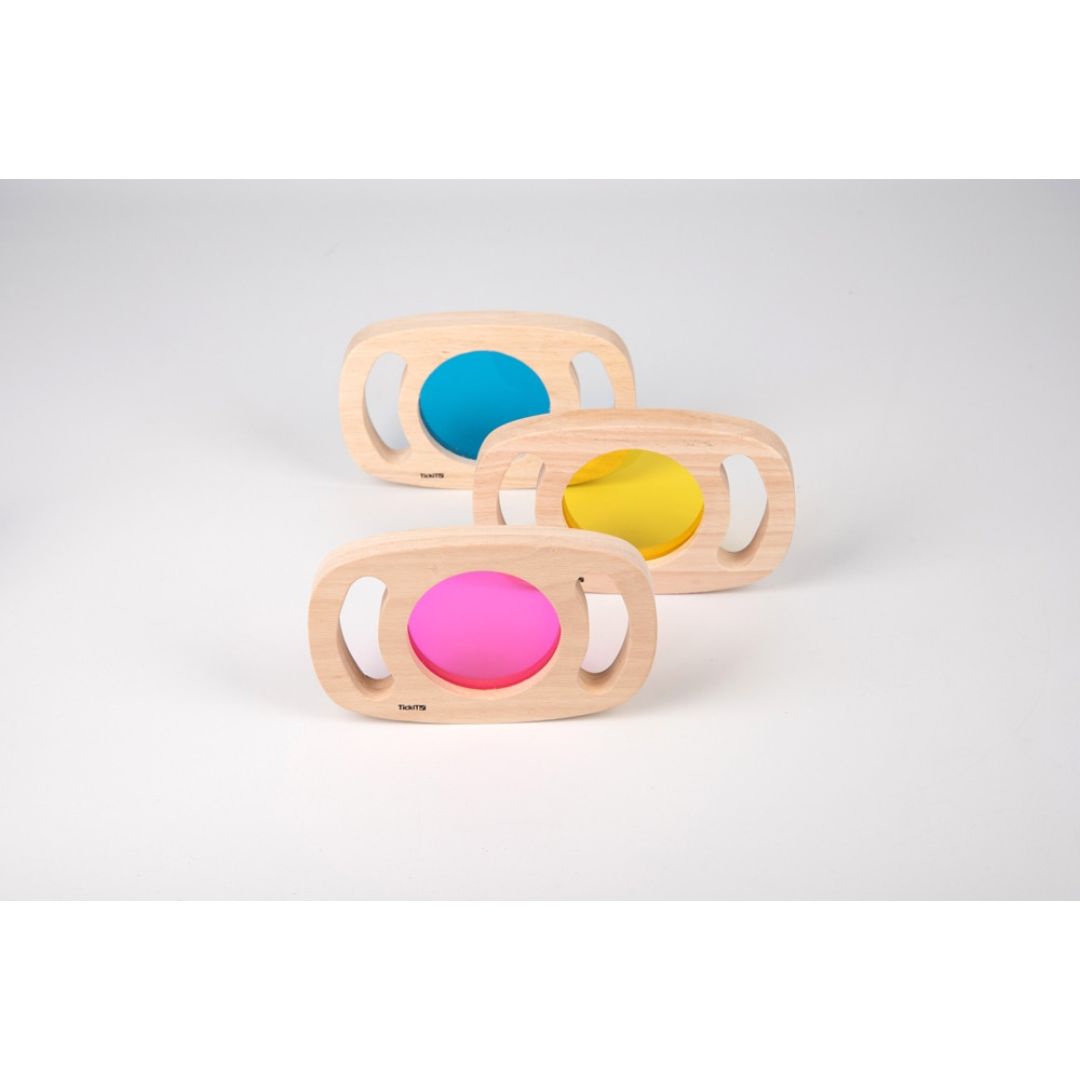
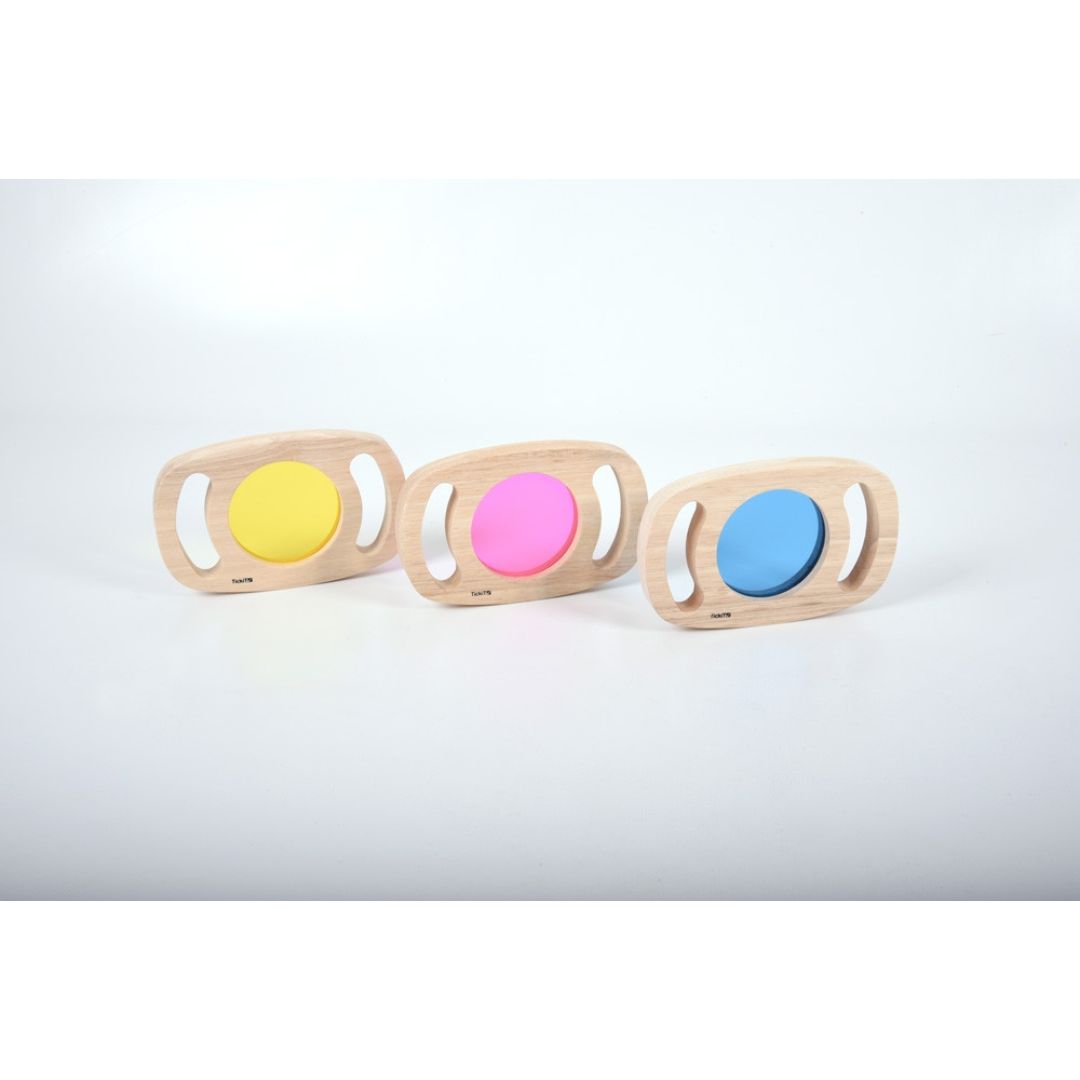
The Easy Grip Colour Panels encourage children to engage in hands-on exploration of colour and light, fostering their natural curiosity. As children manipulate the panels, they can experiment with stacking and mixing colours, promoting inquiry-based learning through observation and discovery.
Developing early STEM and problem-solving skills
These panels provide opportunities for children to explore fundamental concepts of light and colour, enhancing their understanding of visual perception. By engaging in activities that involve sorting and combining colours, children develop critical thinking and problem-solving skills as they navigate the outcomes of their interactions.
Relevant EYLF Outcomes
Outcome 2: Children are connected with and contribute to their world.
Outcome 4: Children are confident and involved learners.
Outcome 5: Children are effective communicators.
Classroom, Play Activity & Provocation Ideas
Classroom & Learning Area Ideas
Set up a dedicated light exploration area where children can use the Easy Grip Colour Panels on a light panel to observe how colours change and interact.
Incorporate the panels into a science corner, allowing children to explore concepts of light and colour through guided discussions and hands-on experimentation.
Play-Based Activity Ideas
Encourage children to create a colour mixing station where they can stack the panels and predict the new colours that will emerge.
Facilitate a group activity where children take turns using the panels to create shadow patterns, discussing their observations as they play.
Invite children to use the panels in storytelling, incorporating colour themes into their narratives and encouraging imaginative play.
Provocation Ideas
Present the Easy Grip Colour Panels alongside natural materials such as leaves or flowers, prompting children to compare and contrast colours found in nature.
Create a challenge where children must use the panels to recreate a specific colour they see in their environment, fostering observation and discussion about colour in the world around them.