How this product aligns with the EYLF
Supporting play-based learning and inquiry
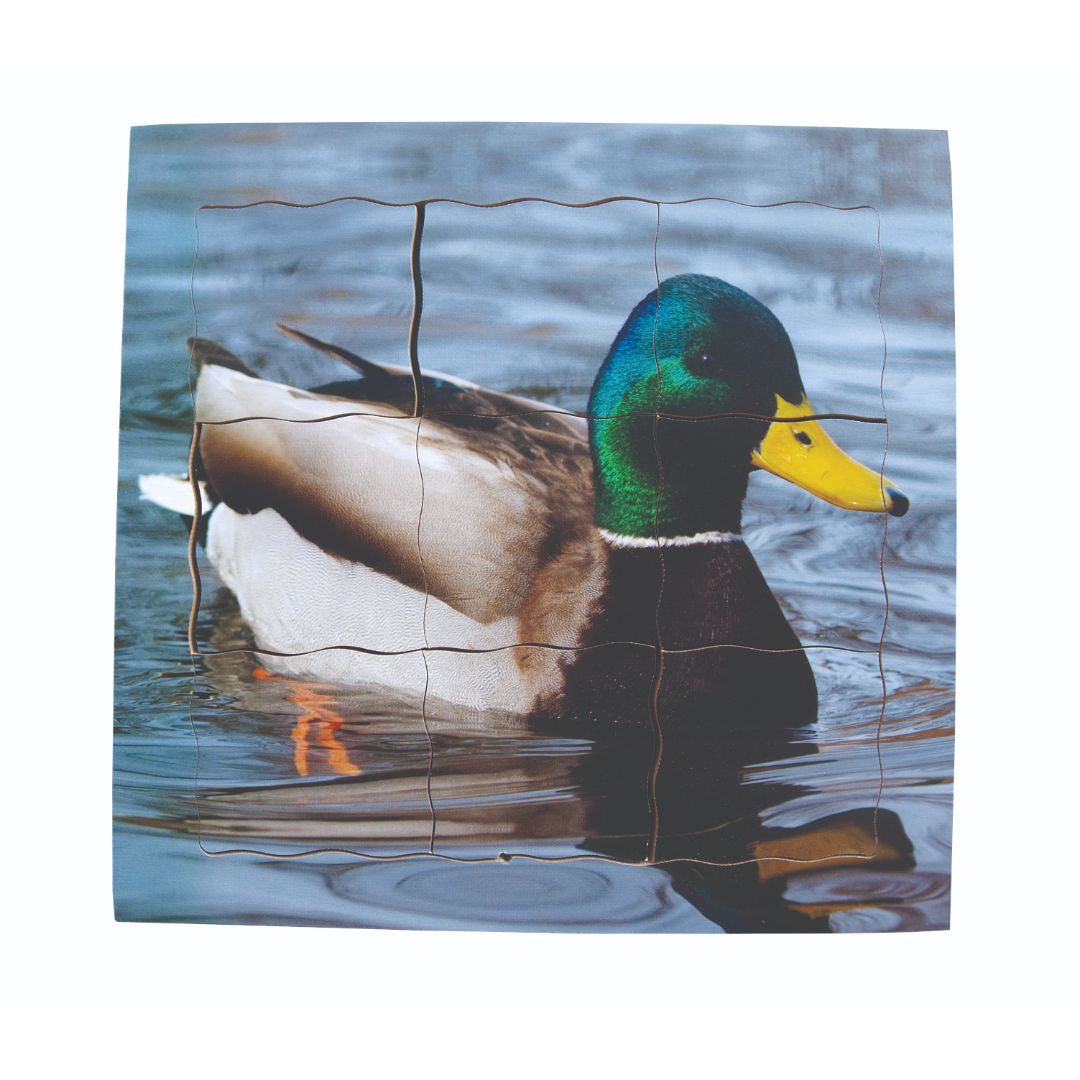
The Duck Life Cycle Layered Tray Puzzle invites children to engage in hands-on exploration of the duck life cycle, fostering inquiry-based learning. As children manipulate the layered pieces, they develop critical thinking skills and an understanding of sequencing, which are essential components of play-based learning.
Promoting connection with the natural world
This puzzle serves as a tool for children to connect with the natural world by learning about the life cycle of ducks. Through this interactive experience, children can develop an appreciation for animal growth and the environment, encouraging curiosity and respect for living things.
Relevant EYLF Outcomes
Outcome 2: Children are connected with and contribute to their world.
Outcome 4: Children are confident and involved learners.
Outcome 5: Children are effective communicators.
Classroom, Play Activity & Provocation Ideas
Classroom & Learning Area Ideas
Set up a science corner featuring the Duck Life Cycle Layered Tray Puzzle alongside books and images of ducks to encourage exploration and discussion about animal life cycles.
Incorporate the puzzle into a nature unit, allowing children to compare the duck life cycle with other animals, fostering connections between different species.
Play-Based Activity Ideas
Encourage children to work in pairs or small groups to assemble the puzzle, promoting collaboration and communication skills as they discuss the stages of the life cycle.
Create a storytelling session where children can use the completed puzzle to narrate the duck’s journey from egg to adult, enhancing their language and imaginative skills.
Introduce a creative art activity where children can draw or paint their favourite stage of the duck life cycle, linking the puzzle to self-expression and creativity.
Provocation Ideas
Present the puzzle alongside real-life images or videos of ducks in various stages of life to stimulate discussion and curiosity about their habitats and behaviours.
Organise a nature walk to observe ducks in their natural environment, followed by a session where children can reflect on their observations using the puzzle as a reference point.