How this product aligns with the EYLF
Supporting play-based learning and inquiry
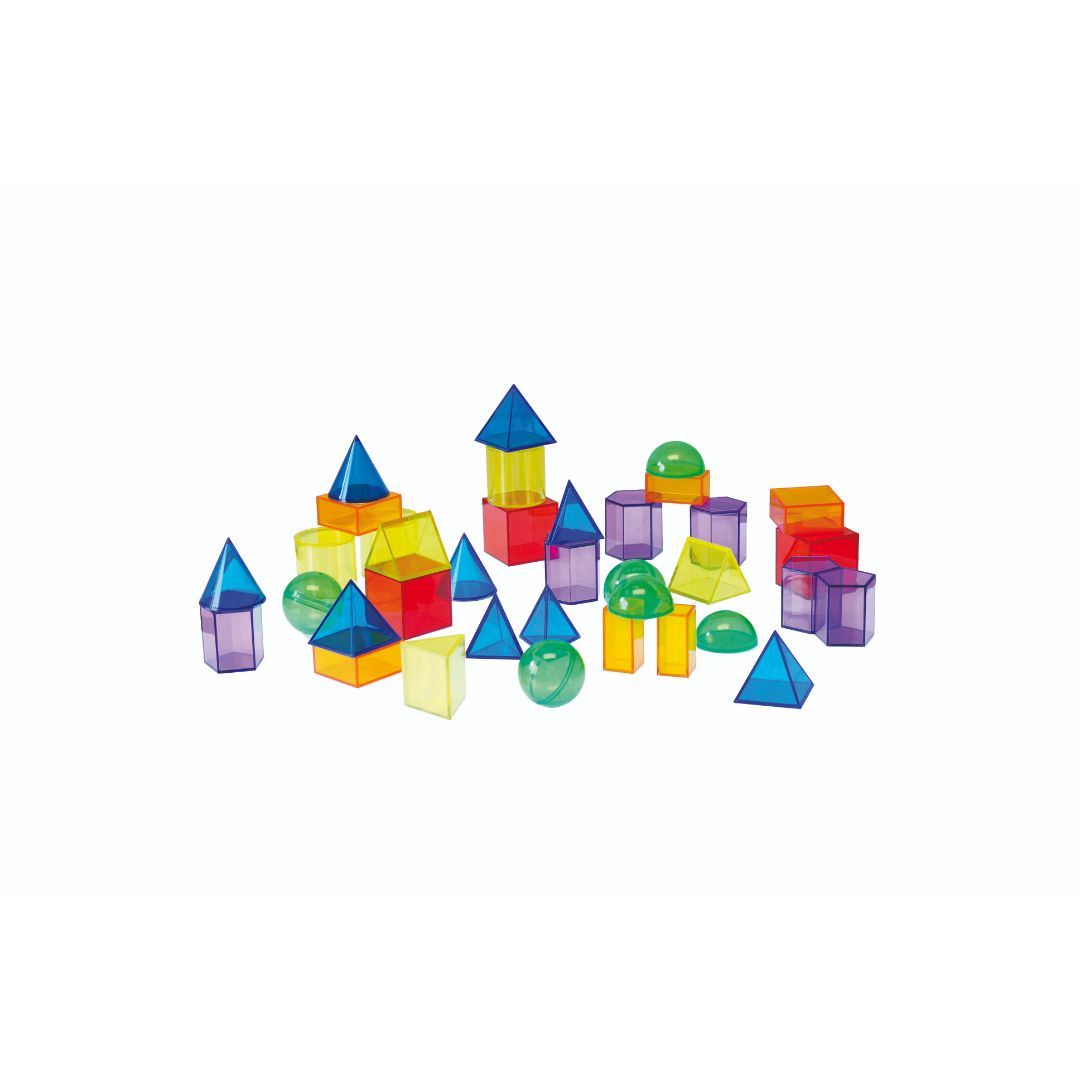
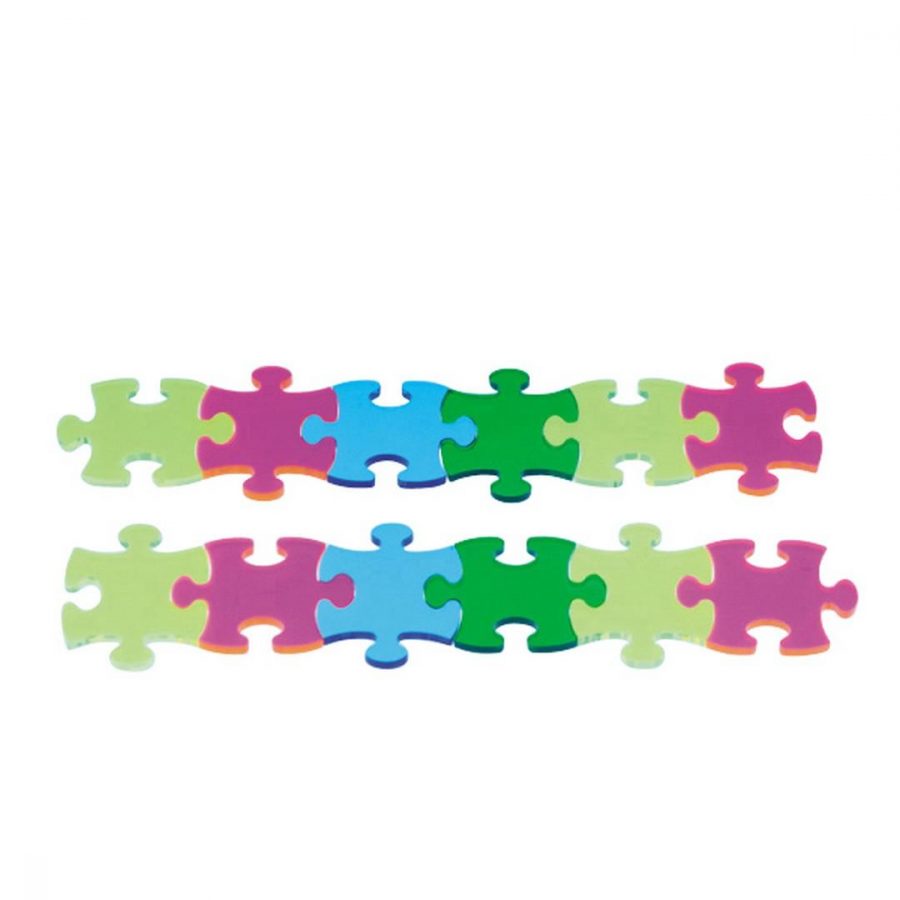
The Translucent Geometric Shapes encourage children to engage in hands-on exploration, fostering their natural curiosity about shapes and colours. Through play, children can investigate the properties of these shapes, facilitating inquiry-based learning as they experiment with light and shadow on light panels or in natural light settings.
Developing early STEM and problem-solving skills
This product provides opportunities for children to develop foundational STEM skills as they manipulate the shapes to understand spatial relationships and geometric concepts. By engaging in constructive play, children can enhance their problem-solving abilities as they figure out how to combine shapes to create structures or patterns.
Relevant EYLF Outcomes
Outcome 4: Children are confident and involved learners.
Outcome 5: Children are effective communicators.
Classroom, Play Activity & Provocation Ideas
Classroom & Learning Area Ideas
Set up a light panel station where children can explore the translucent shapes, encouraging them to describe their observations and share their findings with peers.
Incorporate the shapes into a maths corner, allowing children to sort and classify them based on attributes such as colour, size, and shape.
Play-Based Activity Ideas
Encourage children to create a geometric art display using the shapes, promoting creativity and expression while discussing the different shapes and colours used.
Organise a collaborative building challenge where children work together to construct a specific structure using the shapes, fostering teamwork and problem-solving skills.
Invite children to use the shapes in storytelling, creating narratives around their constructions or the shapes themselves, enhancing language development.
Provocation Ideas
Present a mystery box containing the shapes and ask children to guess what they might create with them, sparking curiosity and imaginative thinking.
Use the shapes to create a shadow play activity, where children can explore light and shadow, discussing how the shapes change appearance based on their orientation and light source.