How this product aligns with the EYLF
Supporting play-based learning and inquiry
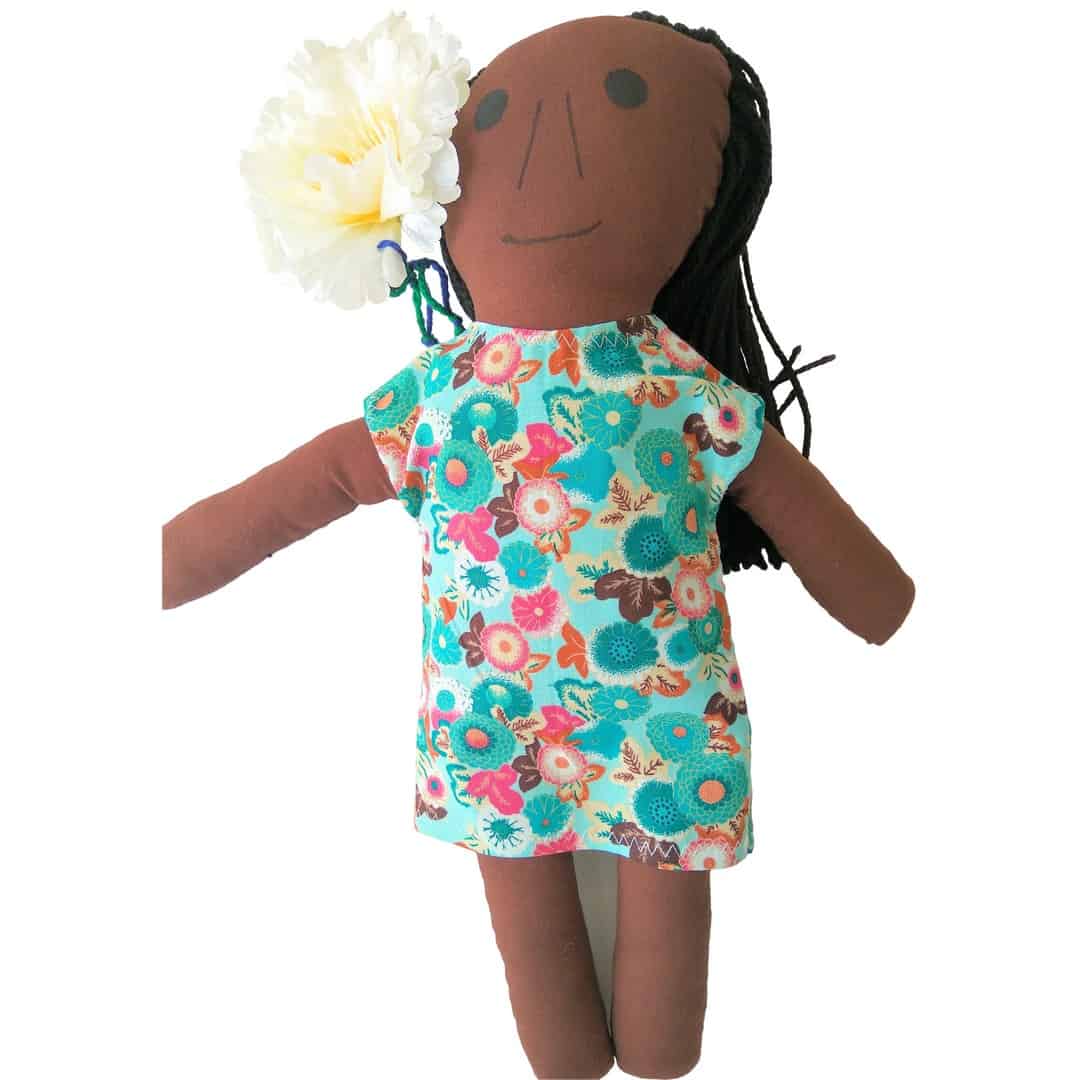
The Torres Strait Islander Woman Doll serves as a valuable resource for play-based learning, allowing children to engage in imaginative role-play that reflects Aboriginal and Torres Strait Islander cultures. By incorporating this doll into their play, children can explore narratives and scenarios that foster understanding and respect for diversity, promoting inquiry into their own cultural identities and those of others.
Building language, imagination, and social skills
This doll can be used as a visual aid during storytelling sessions, encouraging children to express themselves and develop their language skills. As children interact with the doll, they can create stories that incorporate elements of Aboriginal culture, enhancing their imagination while also fostering social skills through collaborative play and discussion with peers.
Relevant EYLF Outcomes
Outcome 2: Children are connected with and contribute to their world.
Outcome 5: Children are effective communicators.
Classroom, Play Activity & Provocation Ideas
Classroom & Learning Area Ideas
Set up a multicultural display featuring the Torres Strait Islander Woman Doll alongside books and resources that reflect Aboriginal and Torres Strait Islander cultures, inviting children to explore and learn.
Create a dedicated storytelling corner where the doll can be used to enhance narratives that celebrate diversity and cultural heritage.
Play-Based Activity Ideas
Encourage children to engage in role-play scenarios using the doll, allowing them to express their understanding of community and cultural stories.
Facilitate a group activity where children create their own stories inspired by the doll, promoting language development and collaborative storytelling.
Incorporate the doll into art activities, where children can design their own dolls or cultural symbols, fostering creativity and self-expression.
Provocation Ideas
Introduce the doll during discussions about family and community, prompting children to share their own cultural backgrounds and experiences.
Use the doll to initiate conversations about the significance of traditional body art and cultural practices, encouraging children to ask questions and explore further.