How this product aligns with the EYLF
Developing early STEM and problem-solving skills
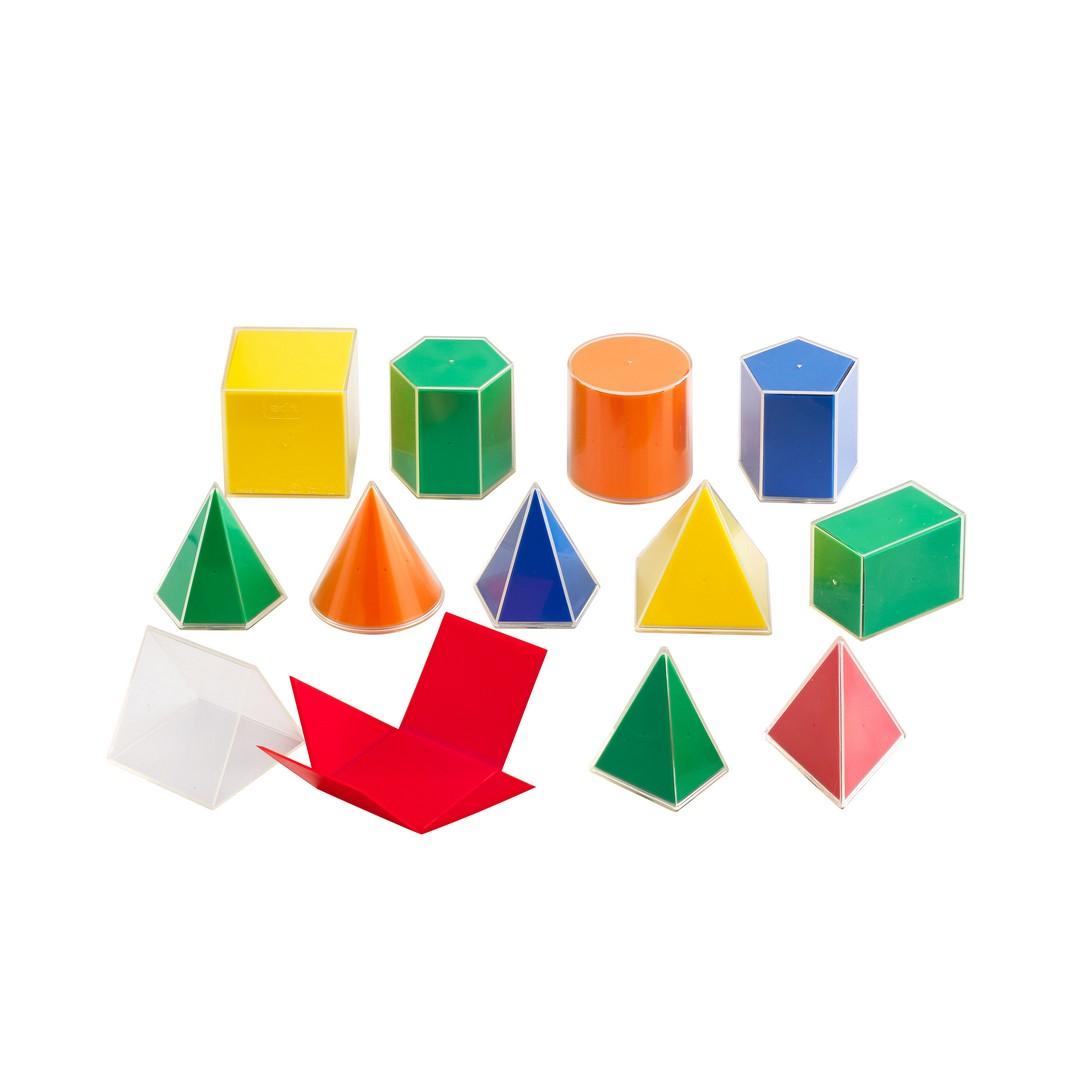
The Folding 2D-3D Geometric Shapes provide children with a tactile and visual means to explore fundamental concepts in geometry. By manipulating these shapes, children engage in hands-on learning that fosters their understanding of spatial awareness, surface area, and volume, which are essential components of early STEM education.
Supporting play-based learning and inquiry
These geometric shapes encourage open-ended exploration and inquiry as children experiment with folding and constructing various forms. Through play, children can investigate relationships between 2D and 3D shapes, enhancing their critical thinking and problem-solving abilities in a natural and engaging context.
Relevant EYLF Outcomes
Outcome 4: Children are confident and involved learners.
Outcome 5: Children are effective communicators.
Classroom, Play Activity & Provocation Ideas
Classroom & Learning Area Ideas
Set up a dedicated mathematics corner where children can freely explore the geometric shapes, encouraging independent investigation and peer collaboration.
Incorporate the shapes into art projects, allowing children to create patterns or structures using the geometric forms as a foundation for their creative expression.
Play-Based Activity Ideas
Encourage children to work in pairs to create their own 3D models using the folding nets, promoting teamwork and communication skills.
Organise a shape scavenger hunt where children search for real-world objects that match the geometric shapes, linking their learning to everyday experiences.
Provocation Ideas
Present the shapes alongside storybooks that feature geometric concepts, inviting children to connect literature with hands-on exploration.
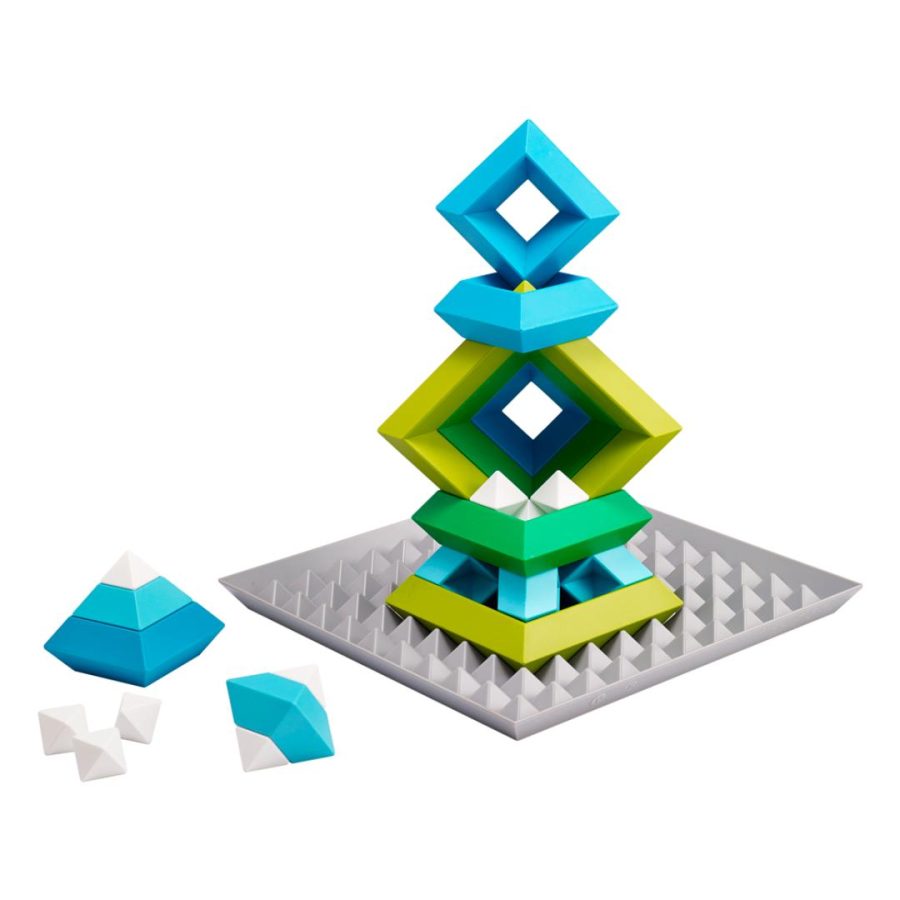
Challenge children to build the tallest structure possible using the 3D shapes, fostering problem-solving and engineering skills through playful experimentation.