How this product aligns with the EYLF
Supporting play-based learning and inquiry
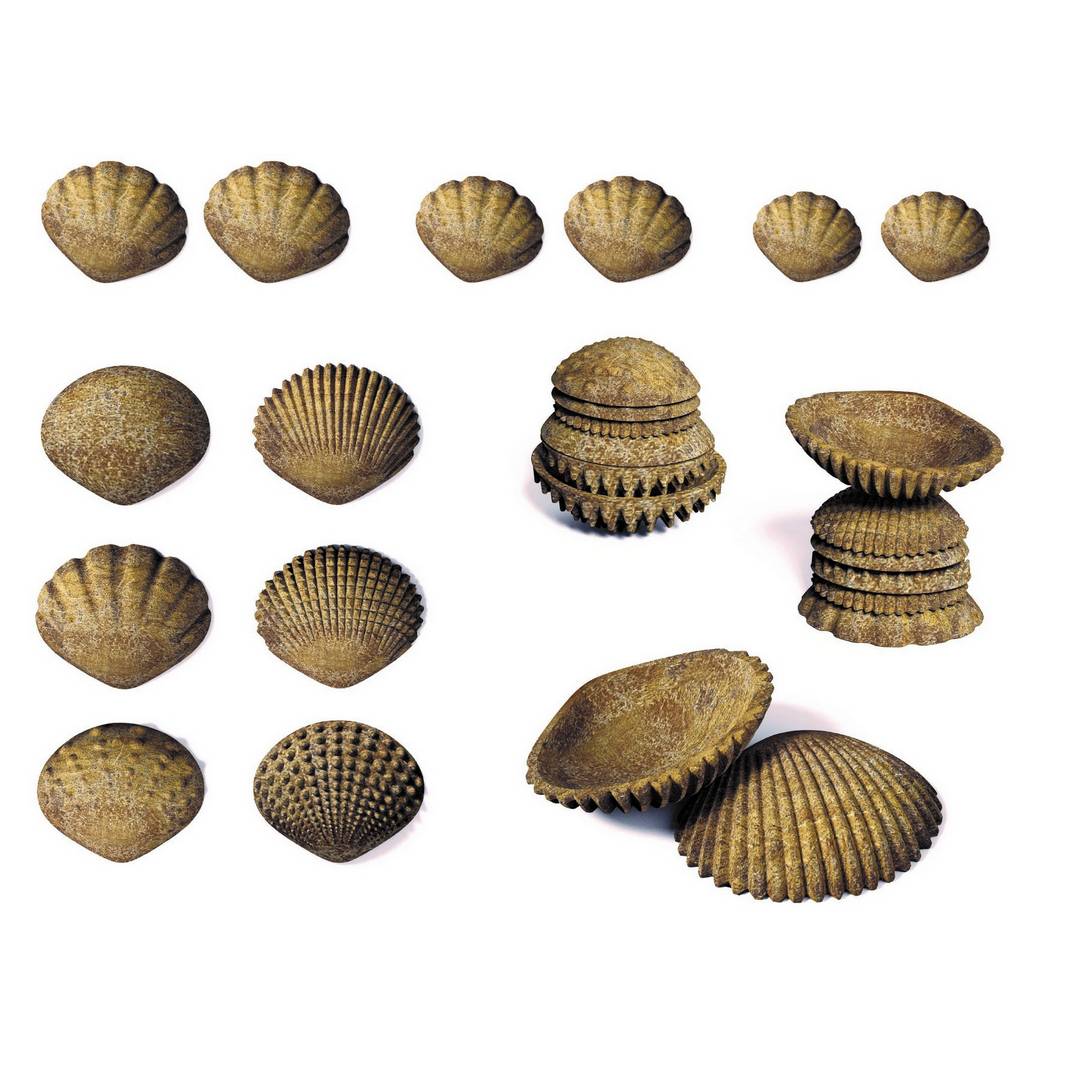
The Eco Friendly Tactile Shells encourage children to engage in sensory exploration, fostering curiosity and inquiry as they touch and feel the different textures. This hands-on experience supports children in making observations, comparisons, and connections, which are essential components of play-based learning.
Building language, imagination, and social skills
As children interact with the tactile shells, they can describe their experiences, share their thoughts, and engage in conversations with peers. This collaborative play promotes language development and social skills, as children learn to express themselves and listen to others while exploring the various tactile qualities of the shells.
Relevant EYLF Outcomes
Outcome 1: Children have a strong sense of identity
Outcome 2: Children are connected with and contribute to their world
Outcome 5: Children are effective communicators
Classroom, Play Activity & Provocation Ideas
Classroom & Learning Area Ideas
Set up a sensory station where children can explore the tactile shells, encouraging them to describe their findings and engage in discussions about textures.
Incorporate the shells into a nature-themed area, allowing children to connect with natural materials while enhancing their sensory play.
Play-Based Activity Ideas
Organise a matching game where children pair the shells based on their tactile finishes, promoting critical thinking and problem-solving skills.
Encourage imaginative play by using the shells as props in storytelling, allowing children to create narratives around their textures and shapes.
Facilitate a group activity where children can sort the shells by size or texture, fostering collaboration and communication.
Provocation Ideas
Introduce the shells during a nature walk, prompting children to find similar textures in the environment and discuss their observations.
Create a tactile treasure hunt where children search for shells hidden around the classroom, enhancing their sensory awareness and engagement with the learning environment.