
How this product aligns with the EYLF
Supporting play-based learning and inquiry
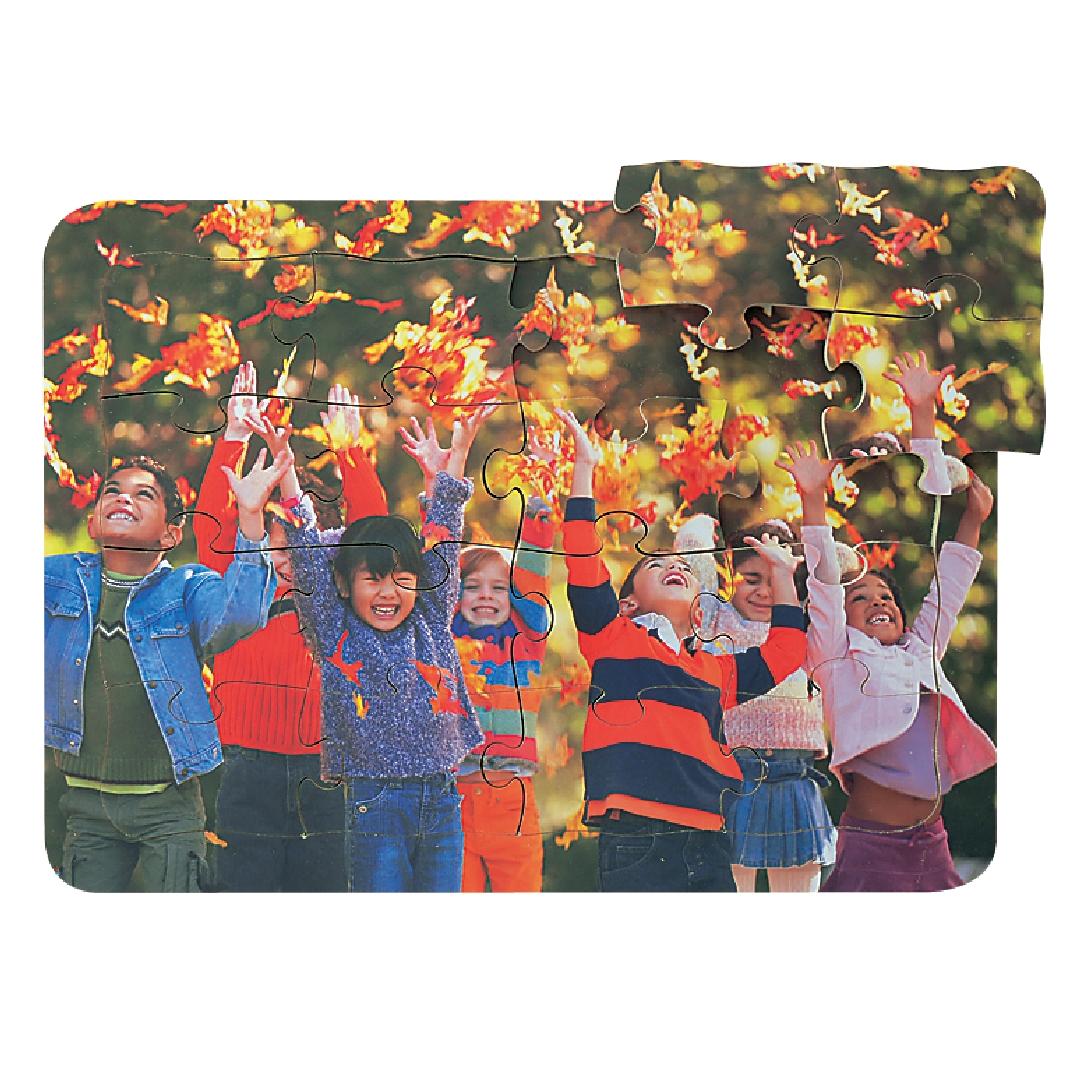
The Autumn Leaves Puzzle encourages children to engage in play-based learning as they explore the vibrant scene of children playing among falling leaves. Through the process of assembling the puzzle, children naturally inquire about the different elements of the illustration, fostering curiosity and critical thinking as they discuss their observations with peers.
Promoting connection with the natural world
This puzzle provides an opportunity for children to connect with the natural world by representing the beauty of autumn and the changing seasons. As children engage with the puzzle, they can discuss the significance of leaves, seasonal changes, and the environment, thereby enhancing their understanding and appreciation of nature.
Relevant EYLF Outcomes
Outcome 2: Children are connected with and contribute to their world.
Outcome 3: Children have a strong sense of wellbeing.
Outcome 4: Children are confident and involved learners.
Classroom, Play Activity & Provocation Ideas
Classroom & Learning Area Ideas
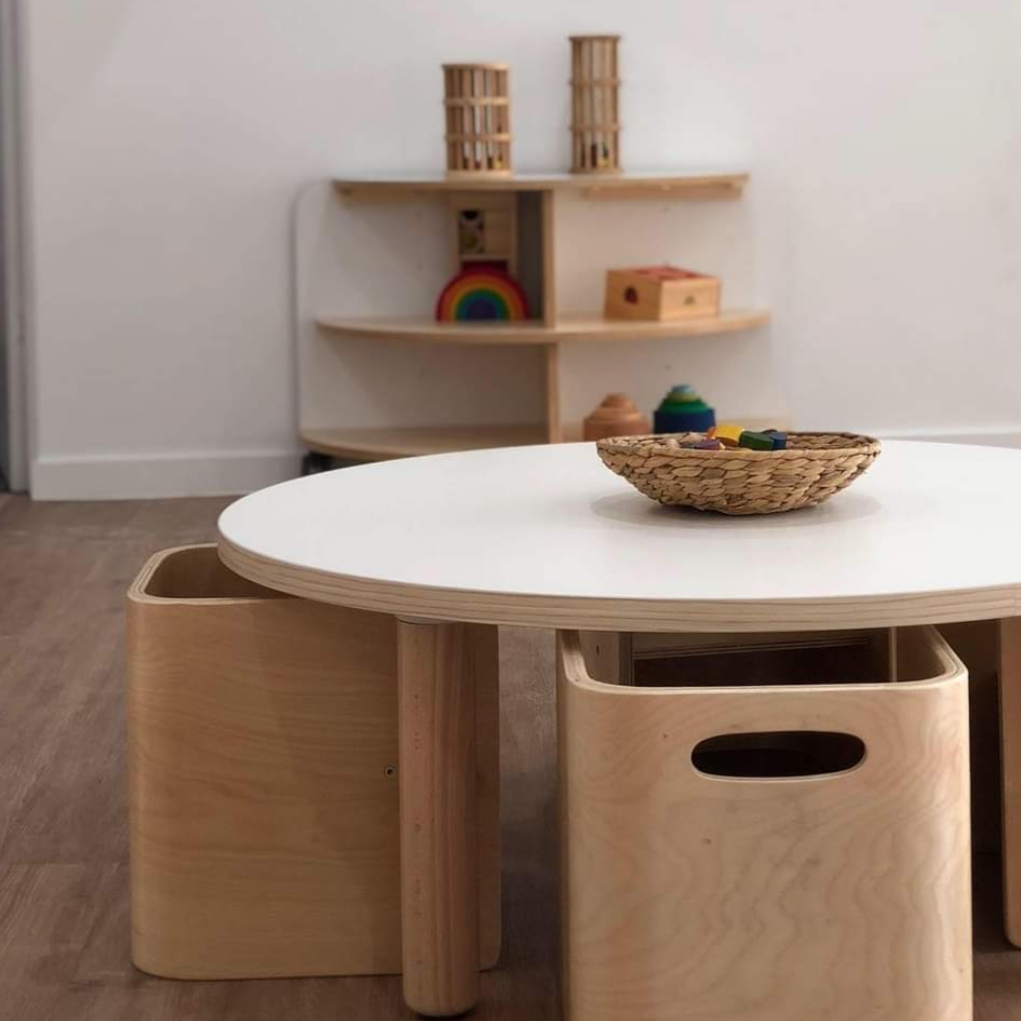
Set up a dedicated puzzle corner where children can explore various puzzles, including the Autumn Leaves Puzzle, to encourage independent play and problem-solving.
Incorporate the puzzle into a seasonal display that highlights autumn themes, allowing children to engage with related books and materials.
Play-Based Activity Ideas
Encourage children to narrate a story about the scene depicted in the puzzle as they complete it, fostering language development and imagination.
Organise a group activity where children work together to complete the puzzle, promoting teamwork and social skills.
Use the completed puzzle as a backdrop for an art activity where children create their own autumn-themed artwork inspired by the puzzle.
Provocation Ideas
Introduce natural materials such as leaves, twigs, and acorns alongside the puzzle to provoke discussions about autumn and the environment.
Ask open-ended questions related to the puzzle scene, such as “What do you think the children are feeling?” to stimulate conversation and emotional awareness.