How this product aligns with the EYLF
Supporting play-based learning and inquiry
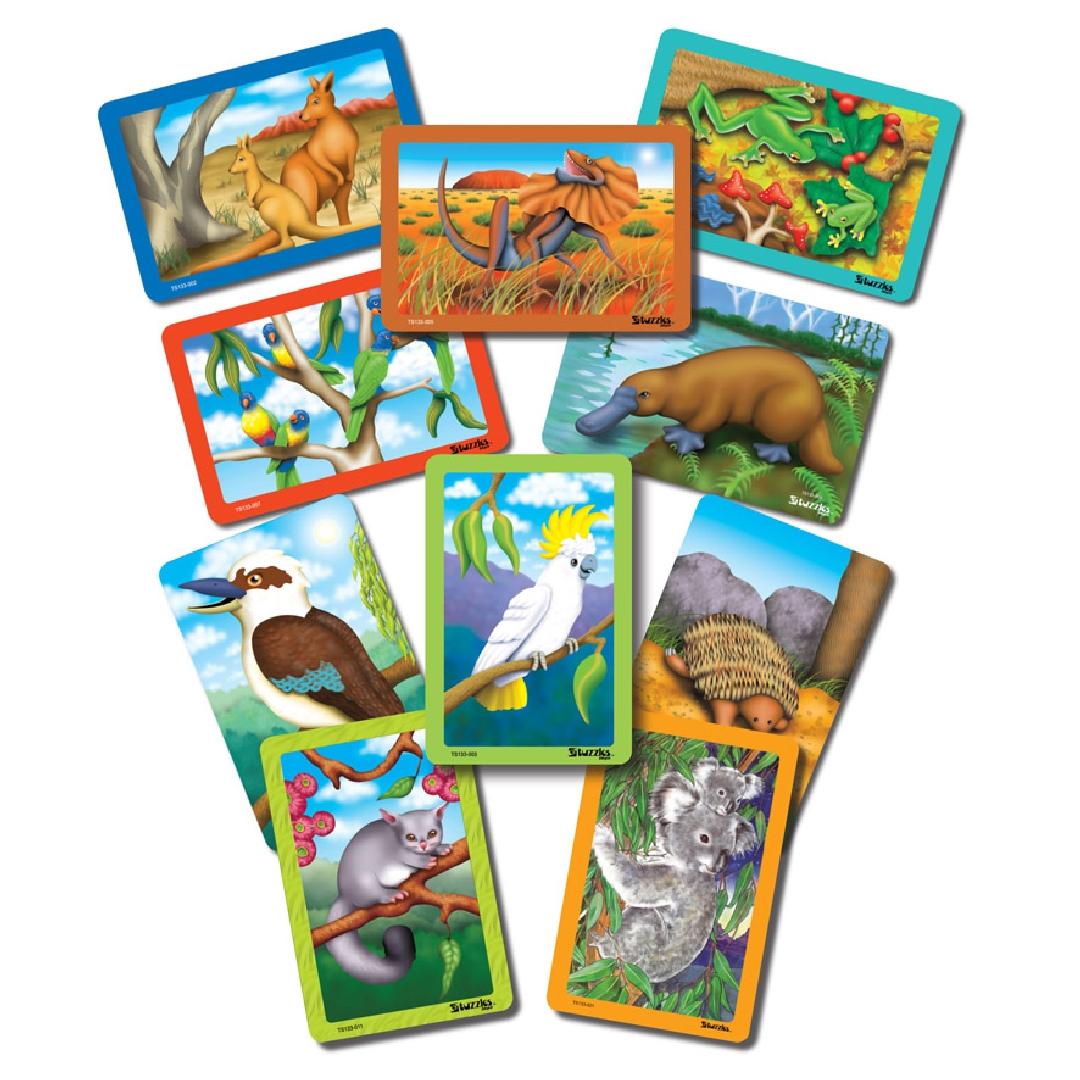
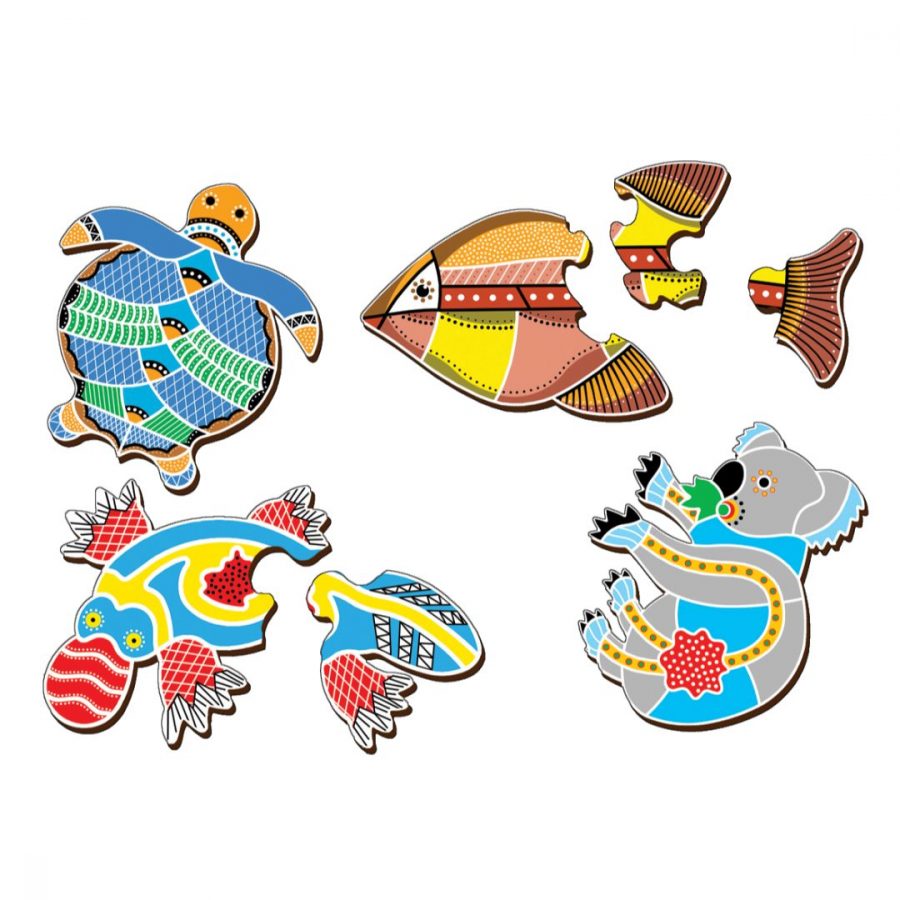
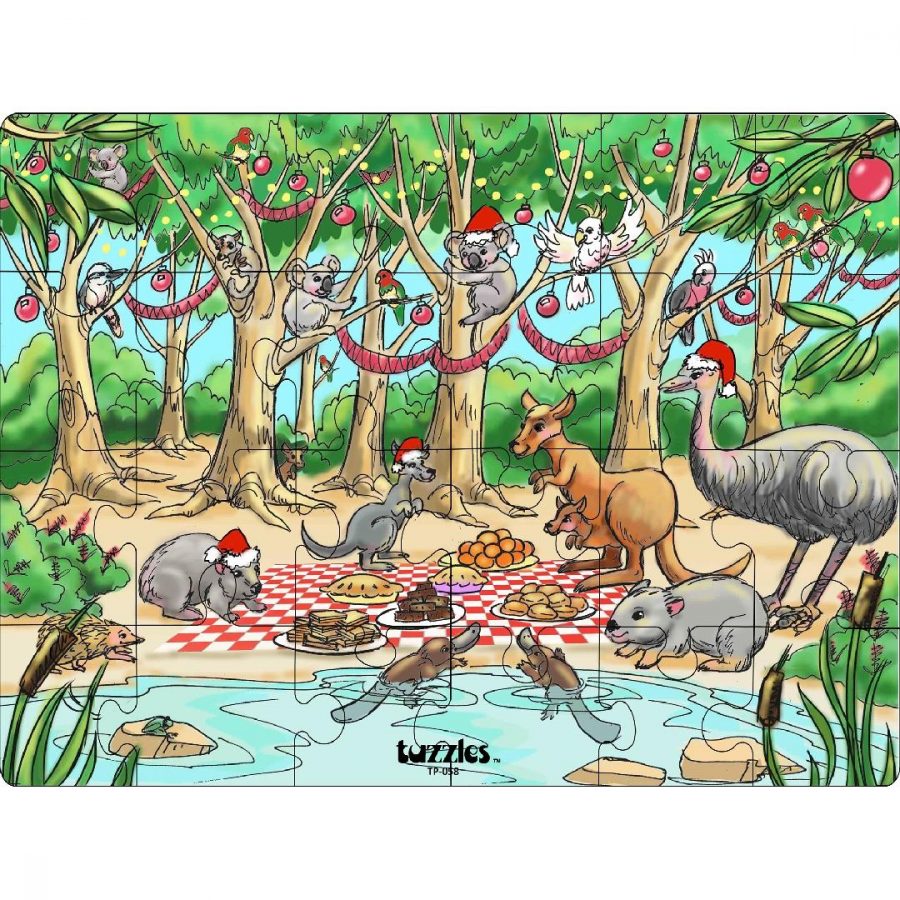
The Australian Animal Puzzles encourage children to engage in play-based learning by exploring the unique characteristics of native Australian wildlife. As children manipulate the puzzles, they develop their problem-solving skills and engage in inquiry about the animals depicted, fostering curiosity and a deeper understanding of their environment.
Promoting connection with the natural world
These puzzles serve as a valuable resource for promoting children’s connection to the natural world. Through discussions about the animals represented, educators can facilitate conversations about biodiversity, habitats, and conservation, helping children to appreciate and respect Australia’s unique wildlife.
Relevant EYLF Outcomes
Outcome 2: Children are connected with and contribute to their world.
Outcome 4: Children are confident and involved learners.
Outcome 5: Children are effective communicators.
Classroom, Play Activity & Provocation Ideas
Classroom & Learning Area Ideas
Set up a dedicated puzzle corner where children can independently explore the Australian Animal Puzzles, promoting self-directed learning and fine motor skill development.
Incorporate the puzzles into a themed learning area focused on Australian wildlife, using additional resources like books and images to enhance children’s understanding.
Play-Based Activity Ideas
Encourage children to work in pairs or small groups to complete the puzzles, fostering collaboration and social interaction as they discuss the animals and their features.
Use the puzzles as a starting point for storytelling, prompting children to create narratives about the animals once they have completed the puzzles.
Integrate the puzzles into a sensory play activity by providing natural materials (like leaves or sand) that relate to the animals, enhancing the learning experience.
Provocation Ideas
Display the completed puzzles alongside images or models of the actual animals, inviting children to compare and contrast the illustrations with real-life examples.
Organise a nature walk where children can search for local wildlife, encouraging them to reflect on the animals they have learned about through the puzzles and discuss their observations.