
How this product aligns with the EYLF
Developing early STEM and problem-solving skills
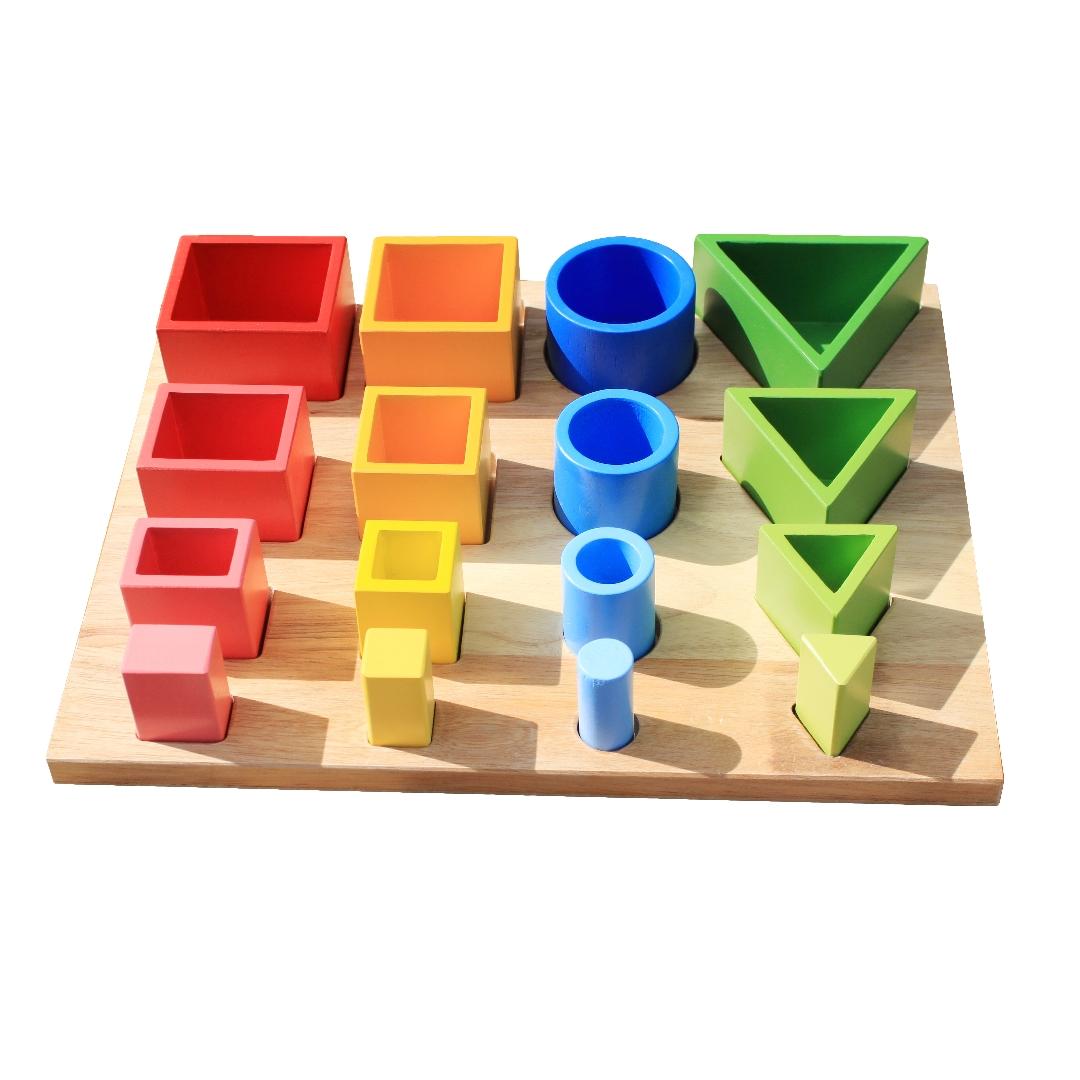
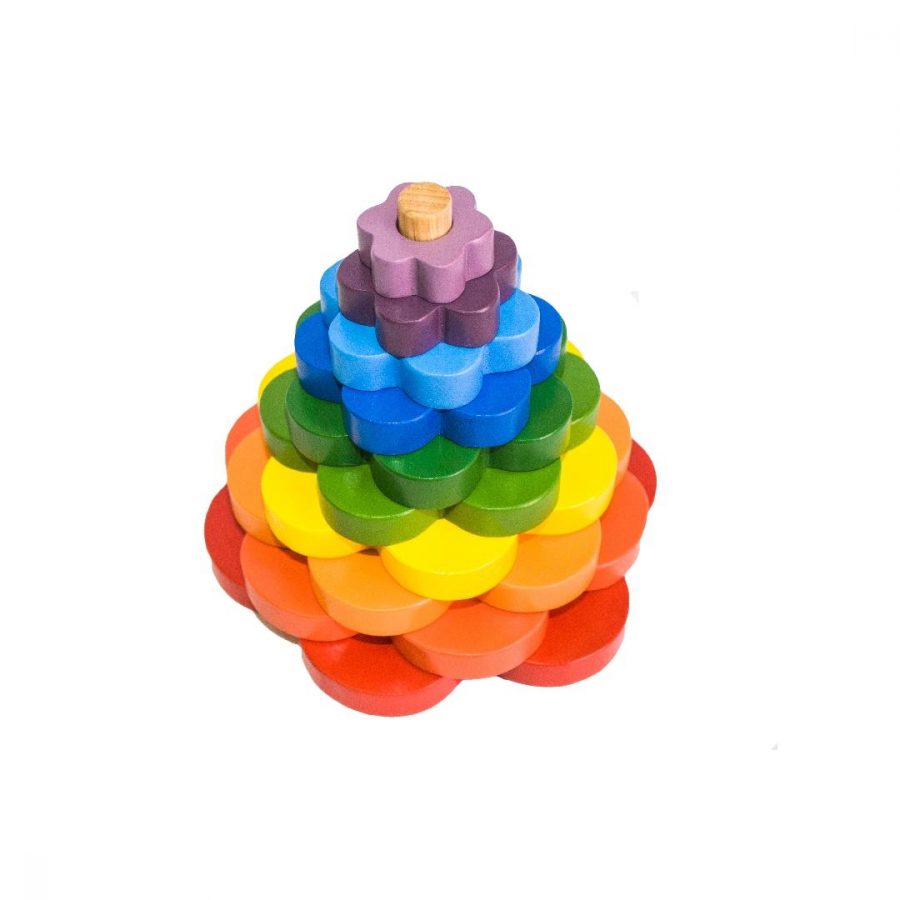
The 3D Shape Sorting & Nesting Board provides children with opportunities to explore and understand fundamental mathematical concepts such as shapes, sizes, and spatial awareness. As children engage with the board, they develop problem-solving skills by figuring out how to match each piece to its corresponding space, fostering critical thinking and cognitive development.
Supporting play-based learning and inquiry
This resource encourages children to engage in hands-on, play-based learning experiences. Through stacking, sorting, and nesting, children can investigate their environment, ask questions, and explore concepts related to mathematics in a playful context, promoting curiosity and a love for learning.
Relevant EYLF Outcomes
Outcome 4: Children are confident and involved learners.
Outcome 5: Children are effective communicators.
Classroom, Play Activity & Provocation Ideas
Classroom & Learning Area Ideas
Set up a dedicated mathematics corner where children can freely explore the 3D Shape Sorting & Nesting Board alongside other manipulatives to encourage independent exploration of shapes and sizes.
Incorporate the board into a sensory play area, allowing children to engage with the tactile nature of the wooden pieces while discussing their attributes.
Play-Based Activity Ideas
Encourage children to create their own shape sorting games by using the board to classify objects from around the classroom based on shape, size, or colour.
Facilitate a group activity where children take turns describing a shape they have sorted, promoting language development and peer interaction.
Use the board as a foundation for storytelling, where children can create narratives about the shapes and their adventures, enhancing their imaginative play.
Provocation Ideas
Present the 3D Shape Sorting & Nesting Board alongside a variety of real-world objects that share similar shapes, prompting children to make connections and comparisons.
Introduce a challenge where children must sort the shapes based on different criteria, such as colour or height, to encourage critical thinking and collaborative problem-solving.