
How this product aligns with the EYLF
Supporting play-based learning and inquiry
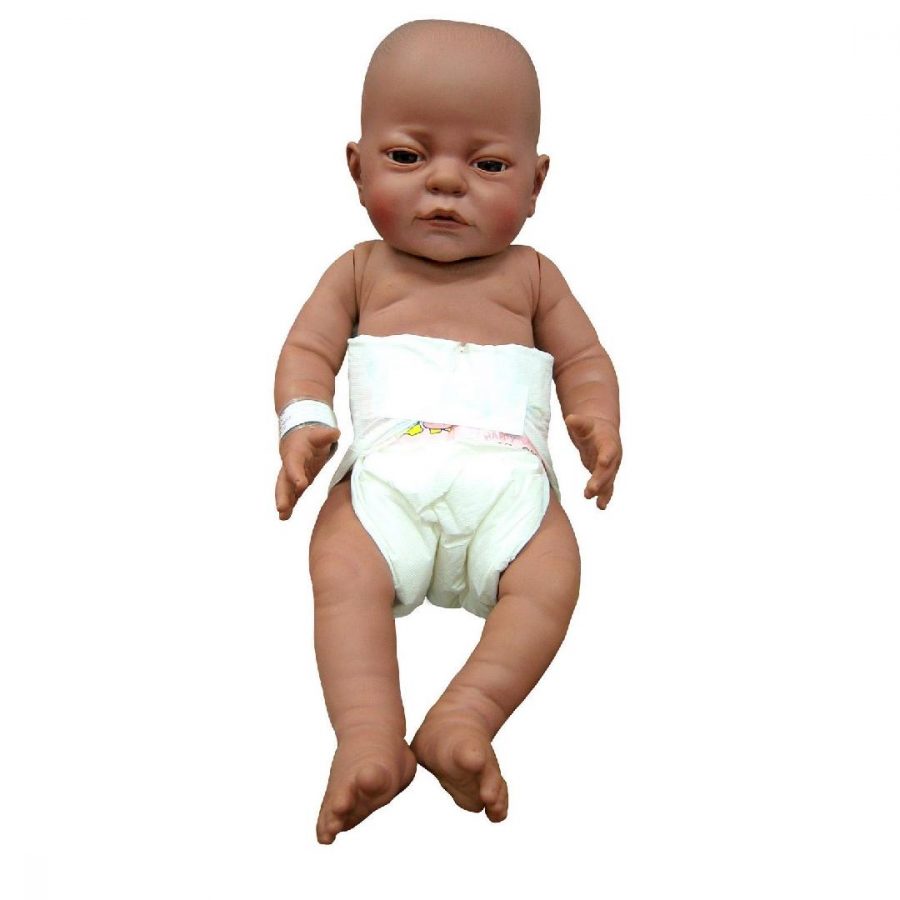
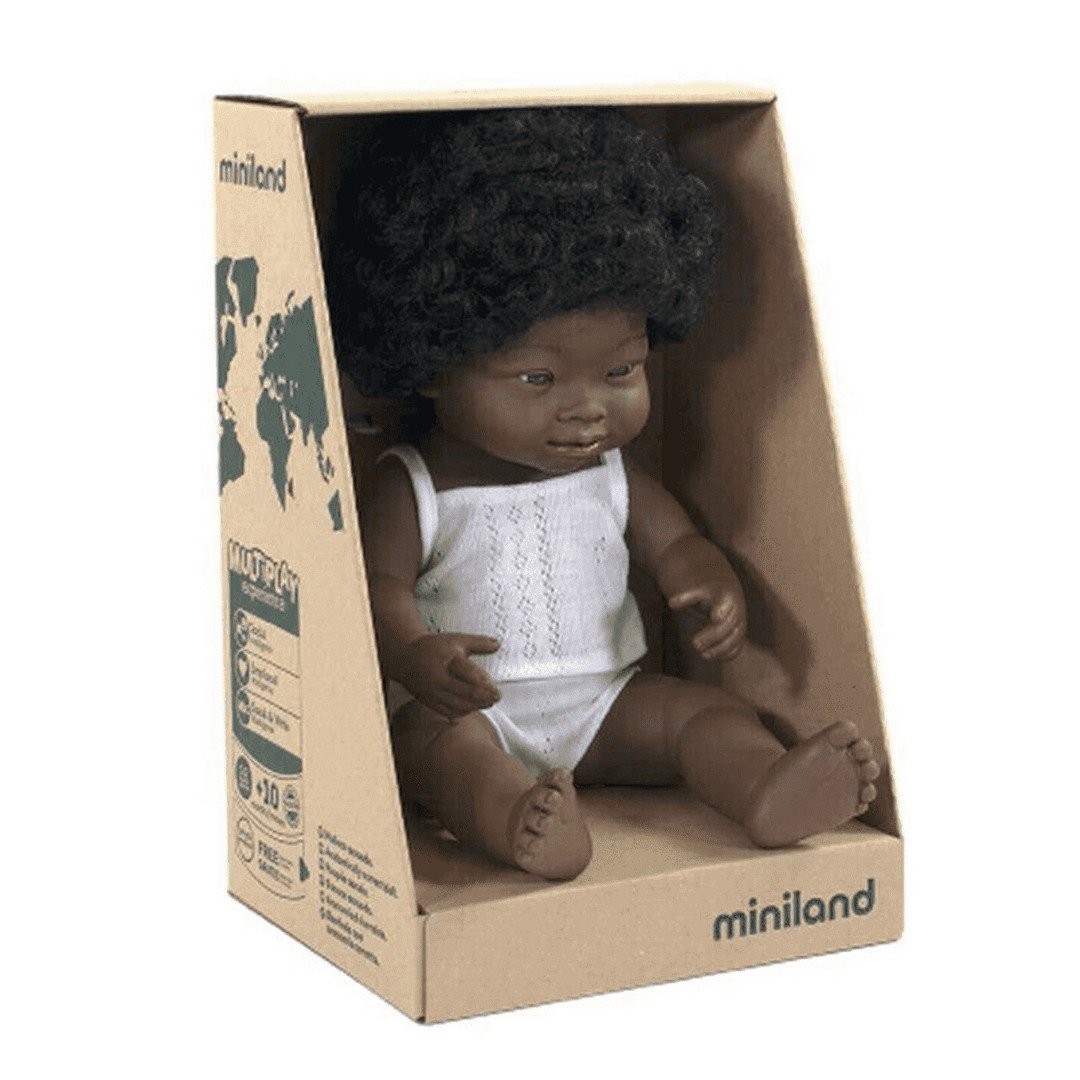
The Down Syndrome African Girl Doll serves as a valuable resource for children to engage in role play, allowing them to explore social dynamics and relationships. Through imaginative play, children can experiment with different scenarios, fostering their understanding of diversity and inclusion in a safe environment.
Building language, imagination, and social skills
This doll encourages children to develop their language skills as they create narratives and dialogues during play. By interacting with the doll, children can express their thoughts and feelings, enhancing their communication abilities while promoting empathy and understanding of differences among peers.
Relevant EYLF Outcomes
Outcome 1: Children have a strong sense of identity.
Outcome 2: Children are connected with and contribute to their world.
Outcome 5: Children are effective communicators.
Classroom, Play Activity & Provocation Ideas
Classroom & Learning Area Ideas
Set up a role play area where children can care for the doll, encouraging them to explore caregiving roles and responsibilities.
Incorporate the doll into storytelling sessions, allowing children to create narratives that include diverse characters and experiences.
Play-Based Activity Ideas
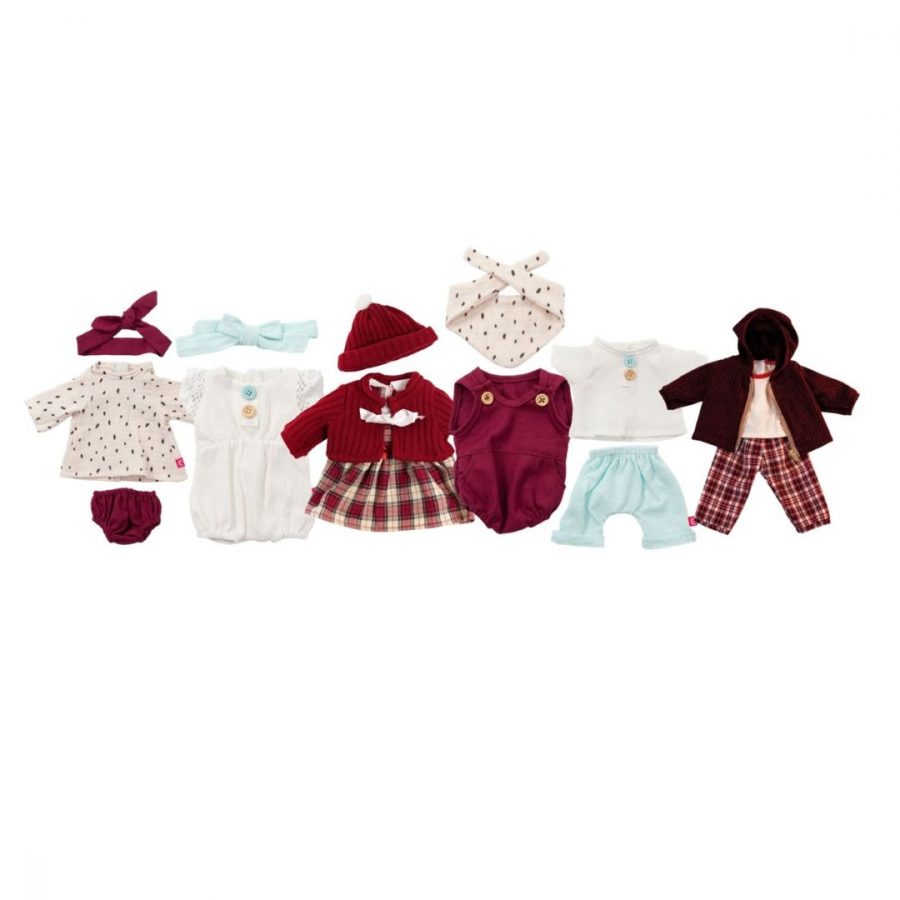
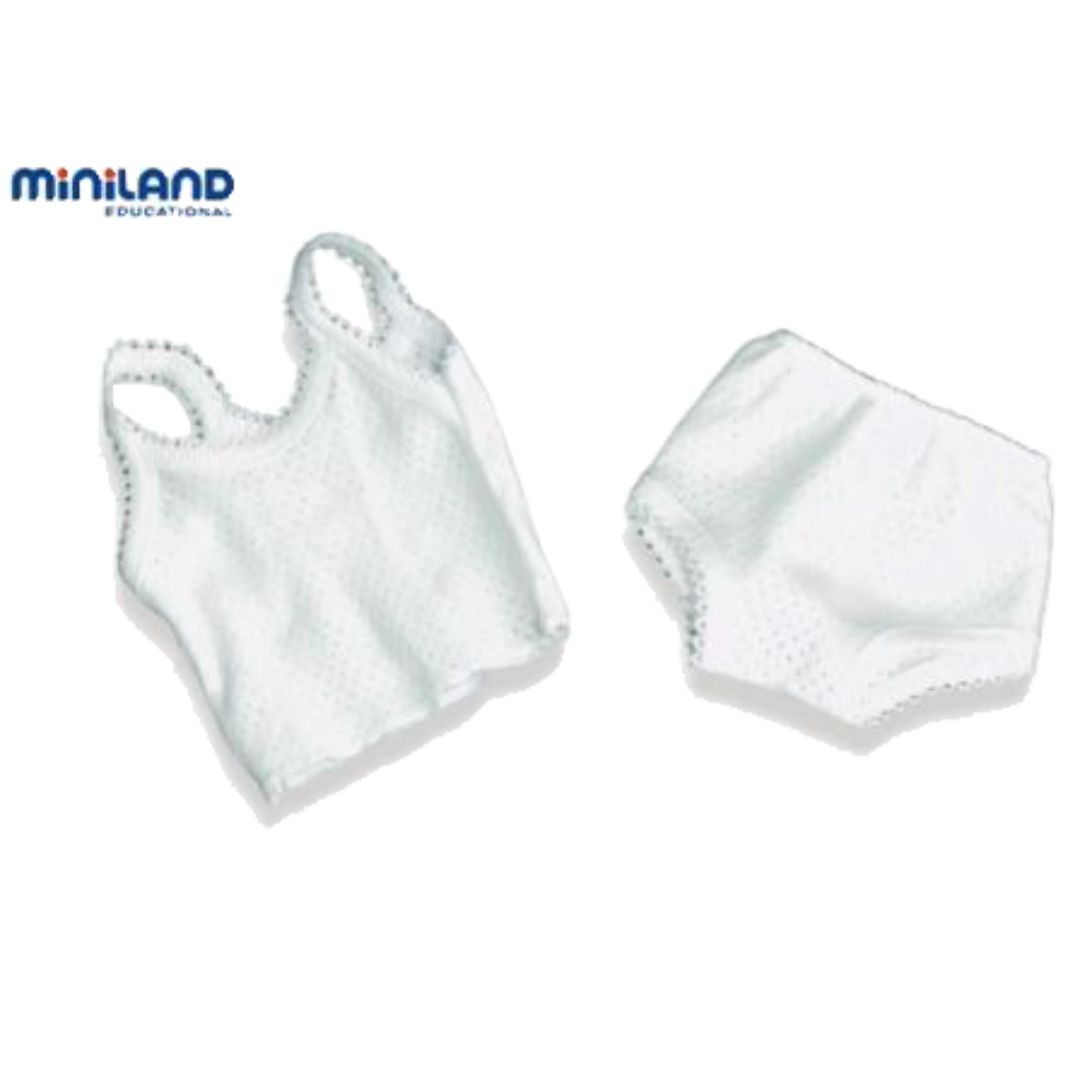
Encourage children to dress and undress the doll, discussing the importance of clothing and cultural differences.
Facilitate a group discussion about similarities and differences among children, using the doll as a visual aid to promote understanding and acceptance.
Provocation Ideas
Introduce the doll during a unit on family structures, prompting children to discuss and represent their own families through play.
Use the doll to initiate conversations about feelings and emotions, allowing children to express how they relate to the doll’s experiences.