How this product aligns with the EYLF
Supporting play-based learning and inquiry
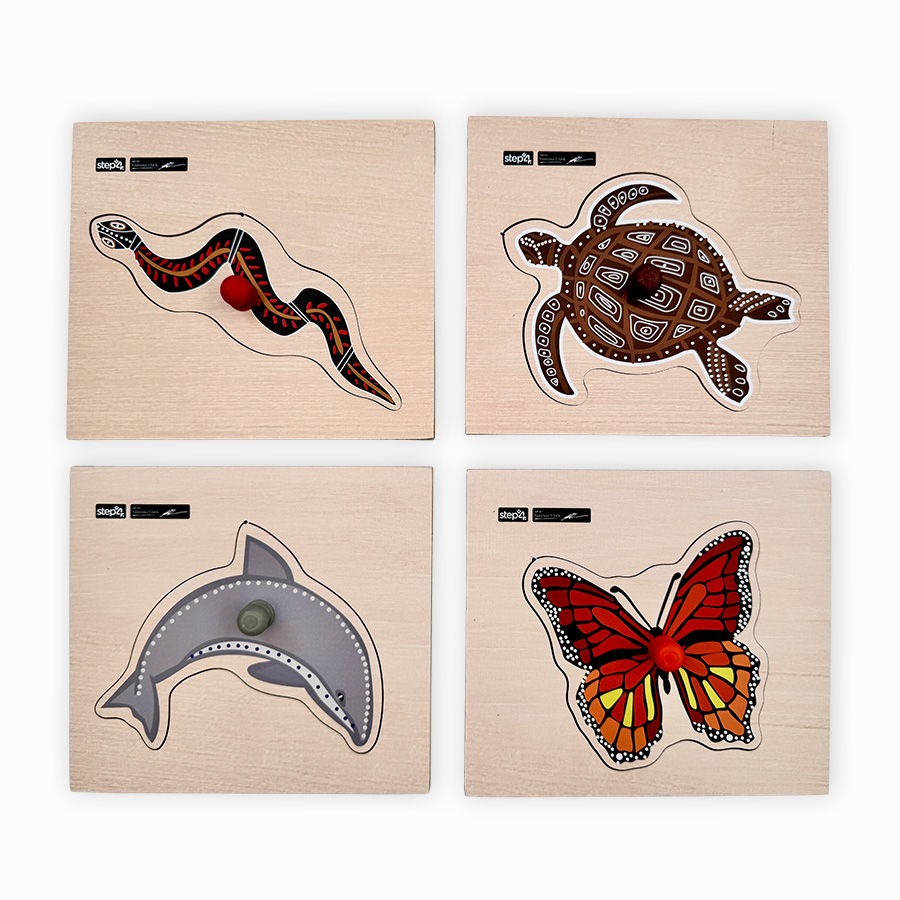
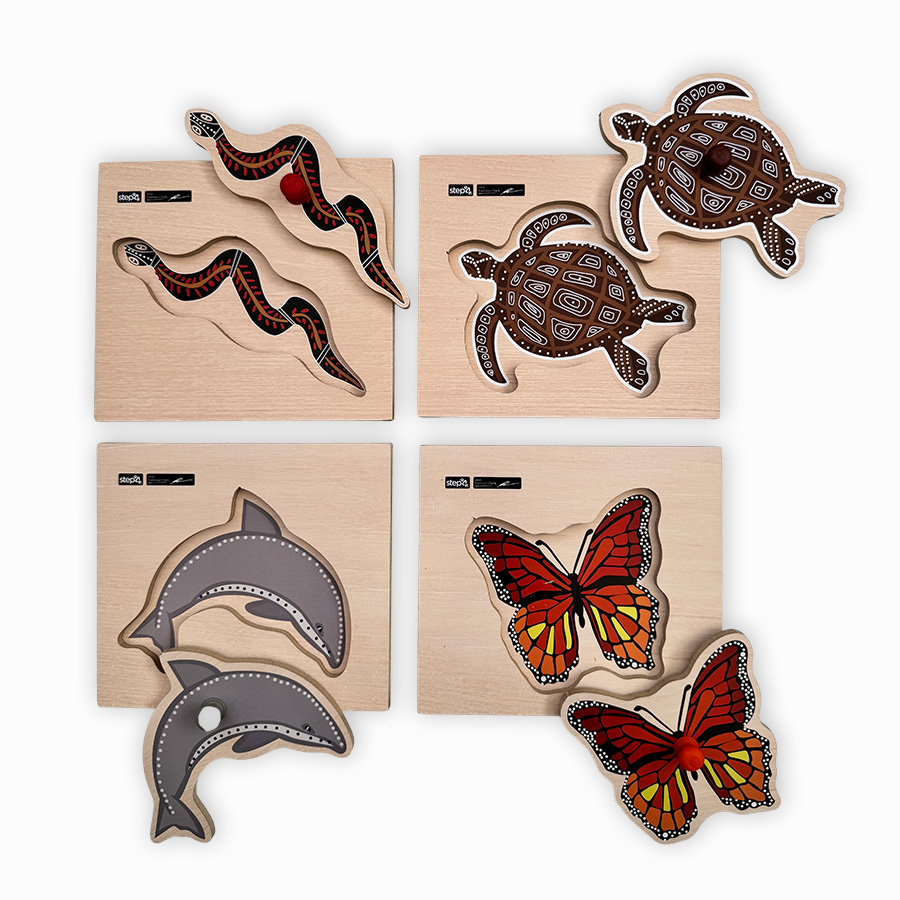
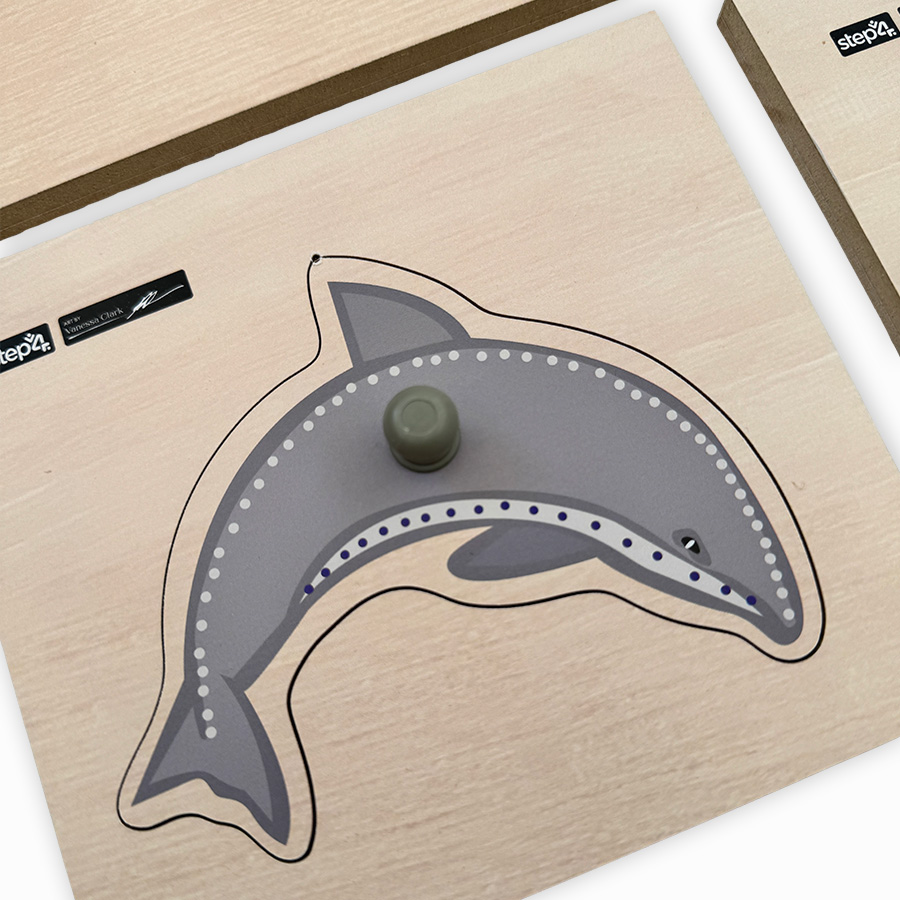
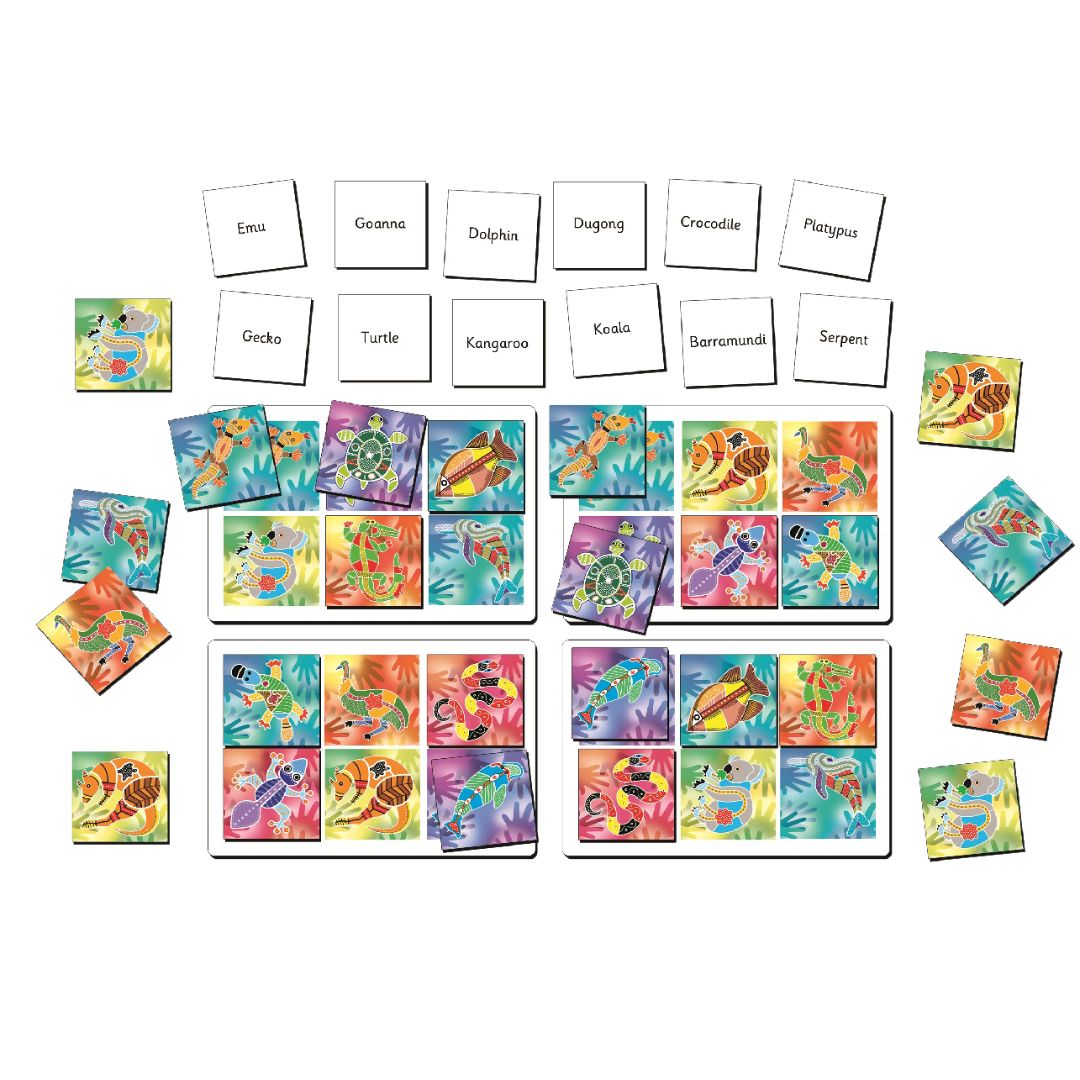
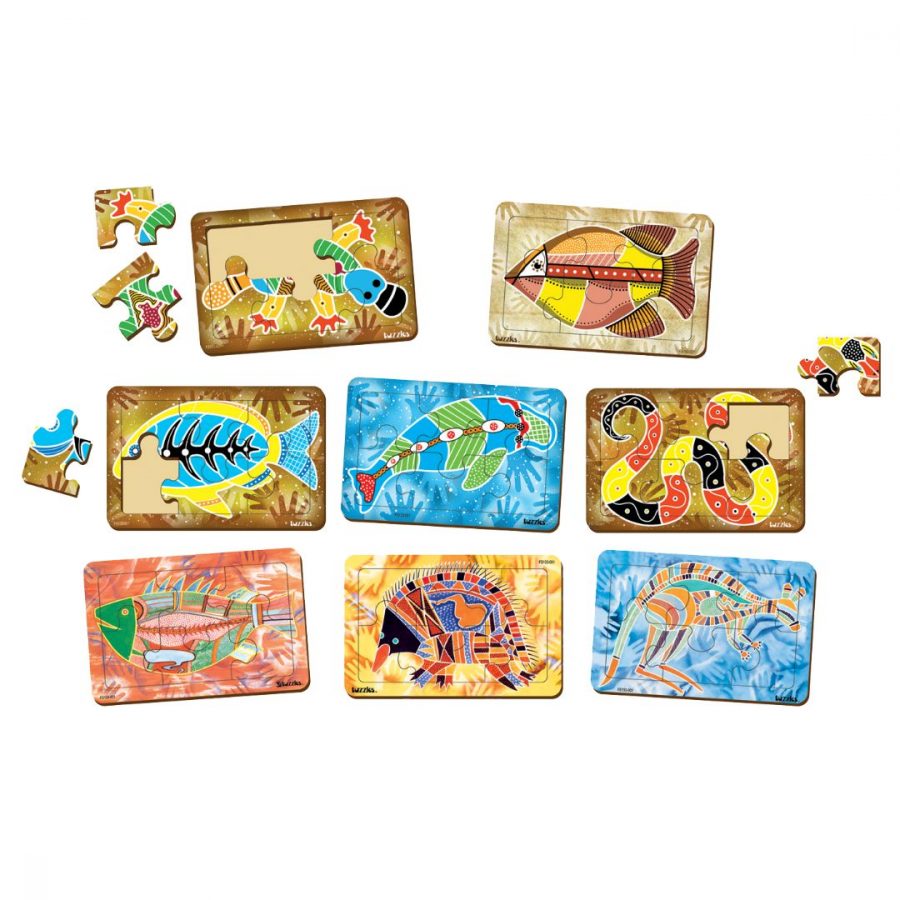
The Aboriginal Art Animals Peg Puzzle Pack encourages children to engage in play-based learning by exploring native Australian animals and their cultural significance through interactive puzzle play. As children manipulate the pieces, they can inquire about the stories behind each animal, fostering curiosity and a deeper understanding of Indigenous culture.
Promoting connection with the natural world
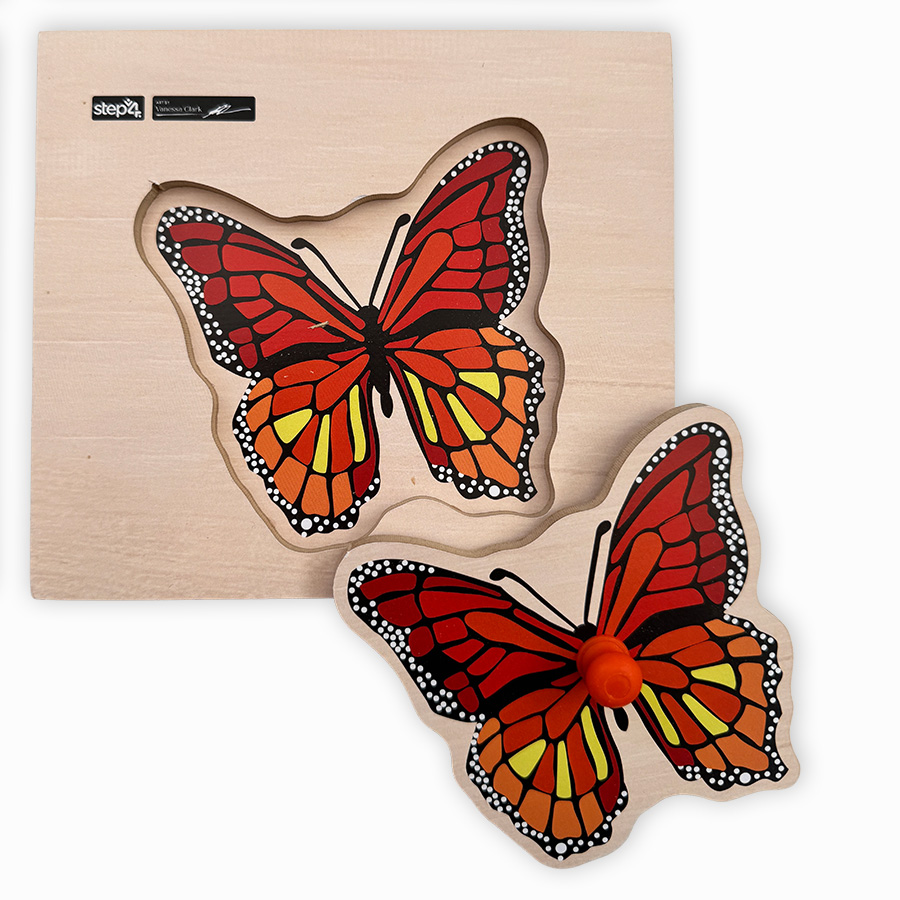
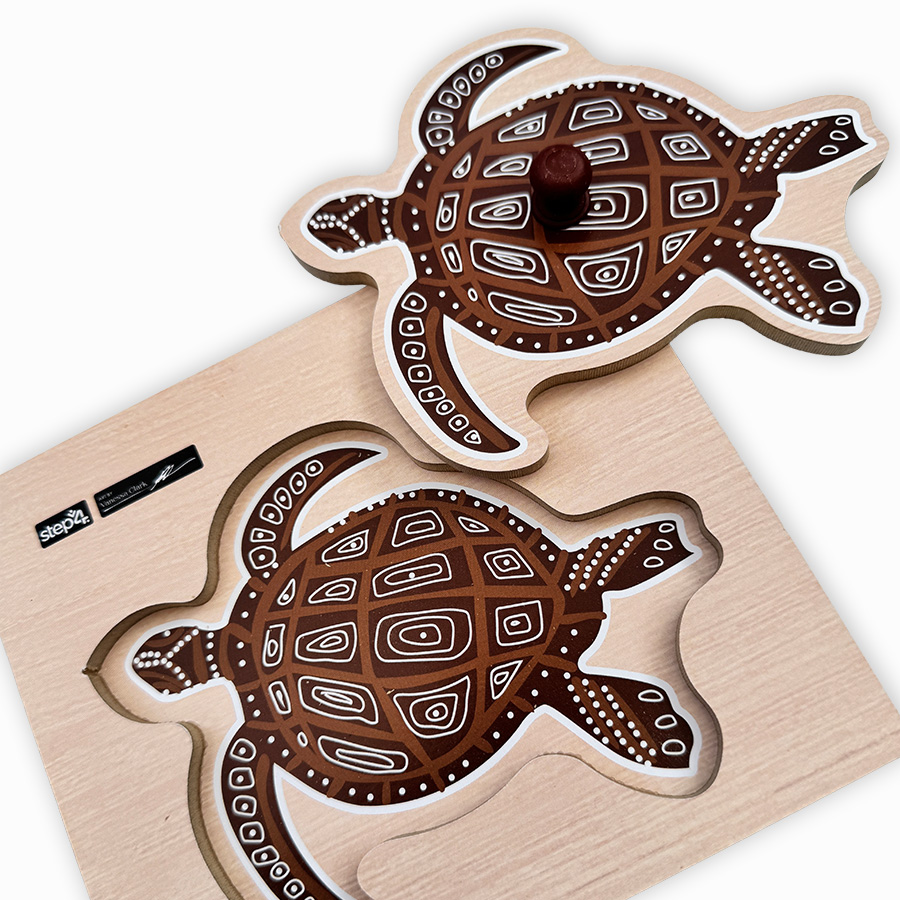
This product provides an opportunity for children to connect with the natural world by learning about native Australian animals such as the Monarch Butterfly, Dolphin, and Turtle. Through storytelling and play, children can develop an appreciation for the environment and the cultural narratives that highlight the relationship between Indigenous peoples and the land.
Relevant EYLF Outcomes
Outcome 2: Children are connected with and contribute to their world.
Outcome 4: Children are confident and involved learners.
Outcome 5: Children are effective communicators.
Classroom, Play Activity & Provocation Ideas
Classroom & Learning Area Ideas
Set up a dedicated area for the Aboriginal Art Animals Peg Puzzle Pack where children can explore the puzzles and discuss the stories behind each animal with educators.
Incorporate the puzzles into a cultural learning corner, featuring books and resources about Indigenous culture and Australian wildlife.
Play-Based Activity Ideas
Encourage children to create their own stories or art inspired by the animals in the puzzles, using various art materials to express their understanding of the cultural significance.
Organise a group activity where children work together to complete the puzzles, promoting teamwork and communication skills while discussing the meanings of each animal.
Provocation Ideas
Introduce a storytelling session where educators share Dreamtime stories related to the animals featured in the puzzles, inviting children to reflect on their meanings and connections to nature.
Provide additional resources, such as images or videos of the animals in their natural habitats, to stimulate discussion and further inquiry into their roles in the environment and Indigenous culture.