How this product aligns with the EYLF
Supporting creativity and self-expression
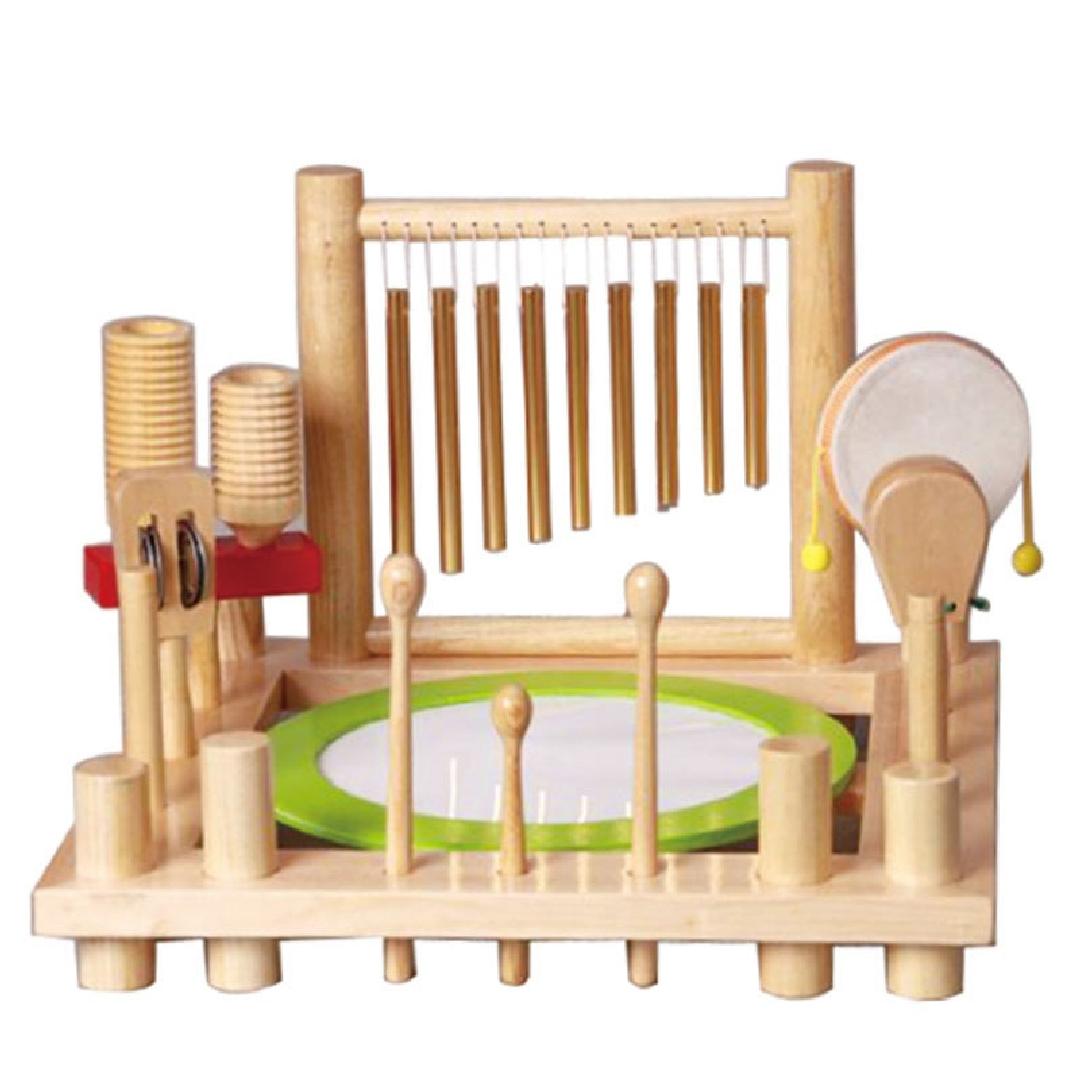
The Music Triangle encourages children to explore sound and rhythm, allowing them to express themselves creatively through music. By tapping the triangles, children can experiment with different tones, fostering their imagination and artistic expression in a supportive environment.
Supporting play-based learning and inquiry
The use of the Music Triangle in play-based settings invites children to engage in musical exploration and inquiry. As they manipulate the instrument, they can investigate cause and effect, develop auditory discrimination, and collaborate with peers, enhancing their learning experience through active participation.
Relevant EYLF Outcomes
Outcome 1: Children have a strong sense of identity
Outcome 5: Children are effective communicators
Outcome 4: Children are confident and involved learners
Classroom, Play Activity & Provocation Ideas
Classroom & Learning Area Ideas
Set up a music corner where children can freely access the Music Triangles, encouraging spontaneous musical play and exploration. Integrate the triangles into a sensory play area, allowing children to experiment with sound alongside other tactile materials.
Play-Based Activity Ideas
Organise a group activity where children take turns creating a rhythm using the Music Triangles, promoting turn-taking and social interaction. Encourage children to create their own musical patterns and share them with peers, fostering collaboration and communication skills.
Provocation Ideas
Introduce a themed music exploration session where children can use the Music Triangles to accompany storytelling, enhancing narrative engagement. Provide a variety of musical instruments alongside the triangles and invite children to compare sounds and create a mini orchestra, stimulating inquiry and discussion about sound.