
How this product aligns with the EYLF
Promoting connection with the natural world
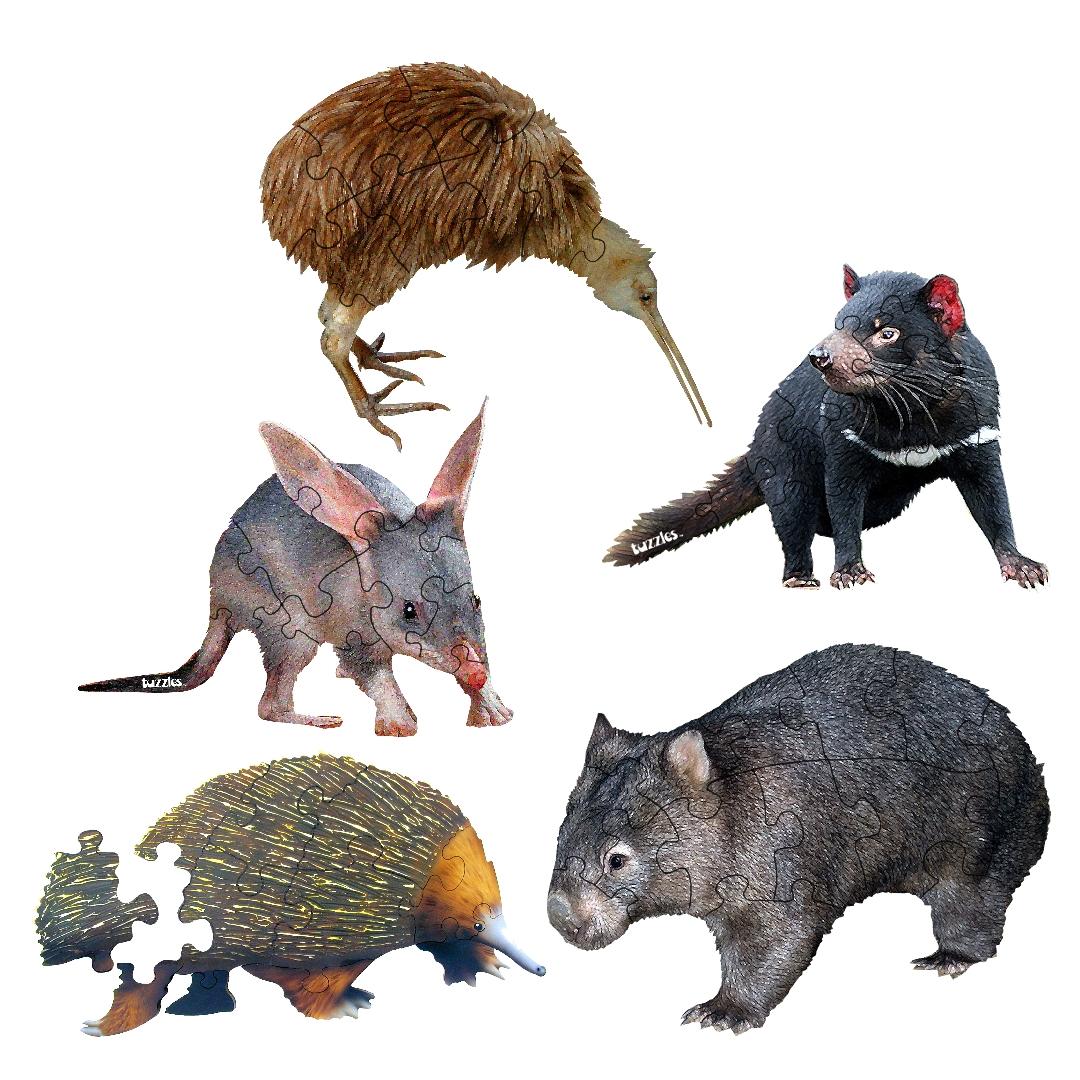
The Endangered Animals Table Puzzles provide an engaging way for children to explore and learn about endangered species, fostering a sense of connection to the natural world. As children piece together the puzzles, they can discuss the characteristics of each animal, promoting awareness of biodiversity and the importance of conservation efforts.
Supporting play-based learning and inquiry
These puzzles encourage children to engage in play-based learning by allowing them to explore problem-solving as they fit the pieces together. This hands-on activity promotes inquiry as children ask questions about the animals and their habitats, facilitating deeper discussions about the environment and the impact of human activities on wildlife.
Relevant EYLF Outcomes
Outcome 2: Children are connected with and contribute to their world.
Outcome 4: Children are confident and involved learners.
Outcome 5: Children are effective communicators.
Classroom, Play Activity & Provocation Ideas
Classroom & Learning Area Ideas
Set up a dedicated wildlife corner featuring the puzzles alongside books and images of endangered animals to encourage exploration and discussion.
Incorporate the puzzles into a science learning area where children can learn about habitats and conservation efforts related to the animals.
Play-Based Activity Ideas
Encourage children to work in pairs or small groups to complete the puzzles, fostering collaboration and communication skills.
Create a storytelling session where children can share what they learned about each animal after completing the puzzles, enhancing their language skills.
Use the puzzles as a springboard for art activities, where children can create their own representations of the animals using various materials.
Provocation Ideas
Introduce the puzzles during a nature-themed week, prompting children to think critically about how they can help protect endangered species.
Facilitate a discussion around the puzzles by asking open-ended questions about what children think might happen if these animals become extinct, encouraging critical thinking and empathy.