How this product aligns with the EYLF
Supporting play-based learning and inquiry
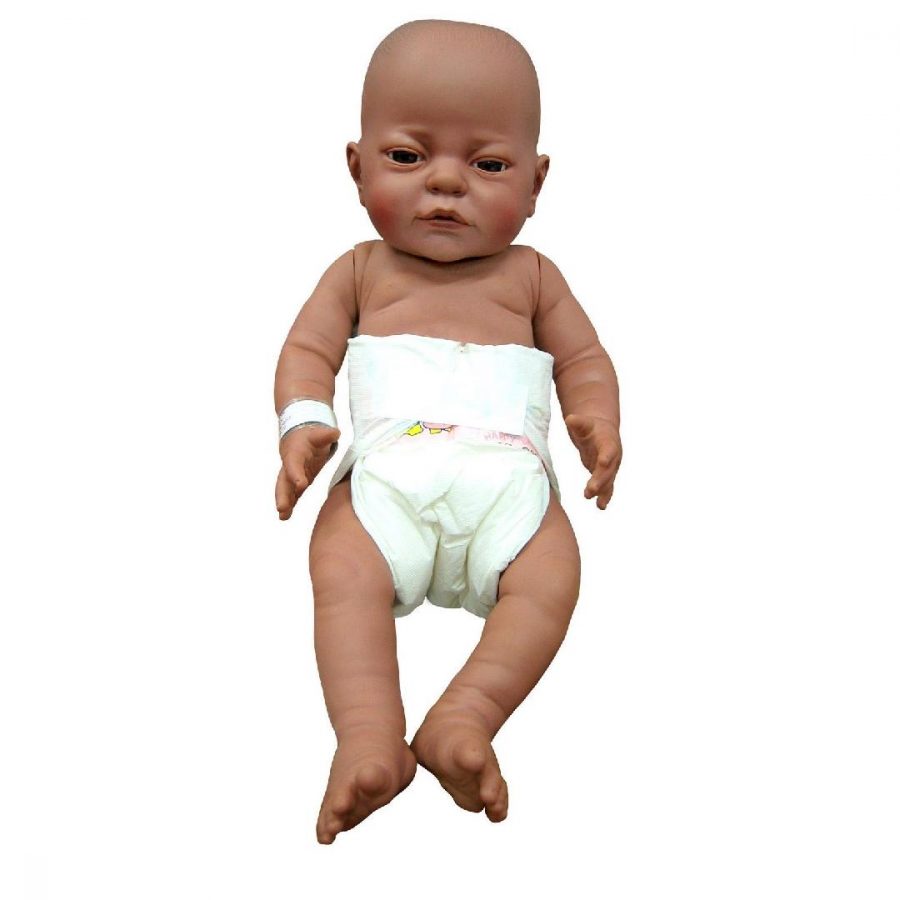
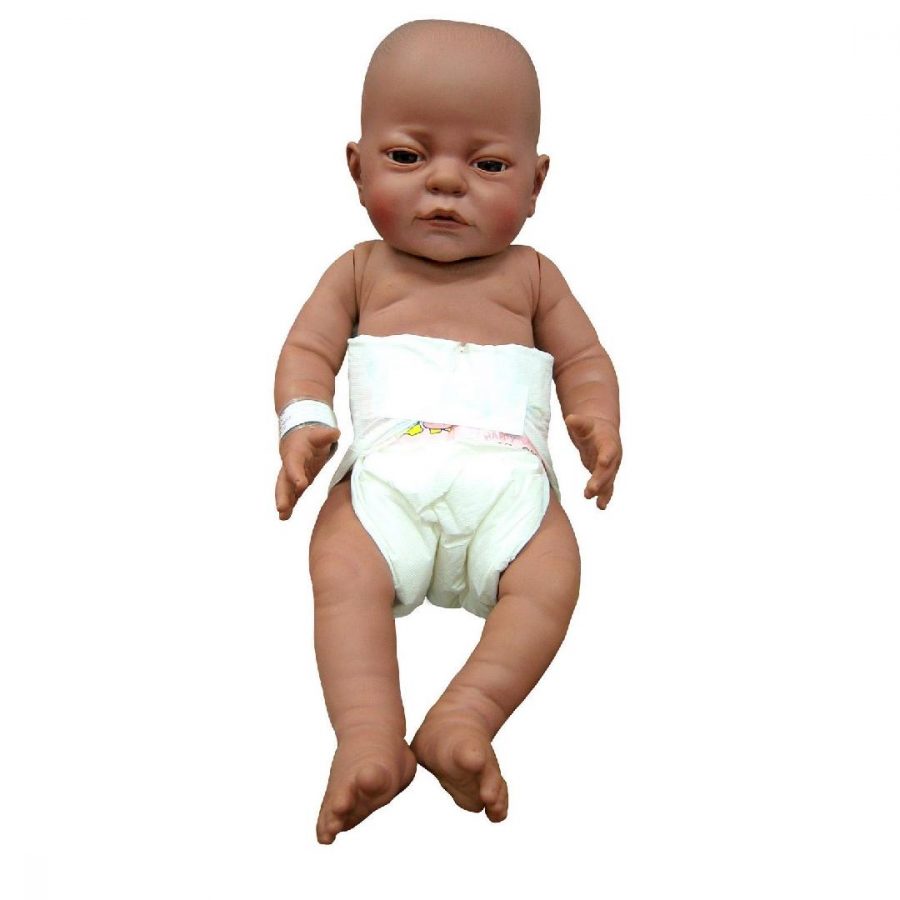
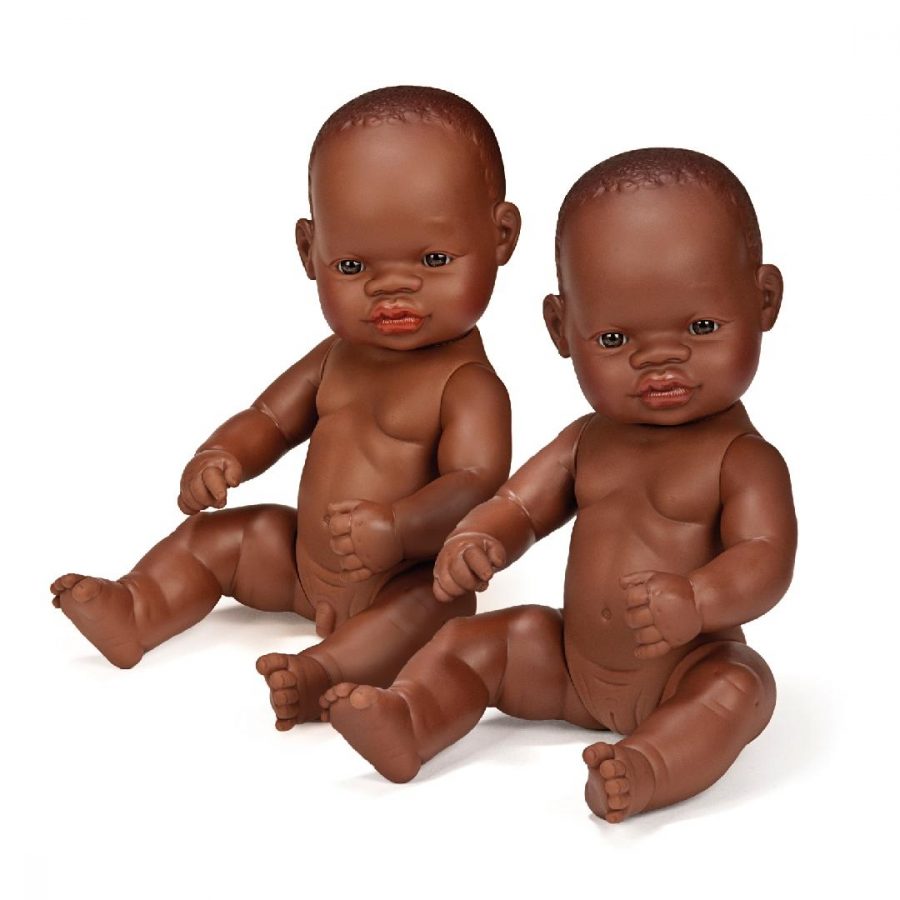
The African Boy Doll serves as a valuable resource in role play and home corner activities, allowing children to engage in imaginative scenarios that reflect their own experiences and cultural backgrounds. Through this type of play, children can explore social roles, develop empathy, and practice problem-solving as they navigate interactions with peers.
Building language, imagination, and social skills
Using the doll in play encourages children to communicate and express their thoughts and feelings, fostering language development and social interaction. As children create narratives around the doll, they enhance their imaginative skills and learn to collaborate with others, further enriching their social experiences.
Relevant EYLF Outcomes
Outcome 1: Children have a strong sense of identity
Outcome 2: Children are connected with and contribute to their world
Outcome 5: Children are effective communicators
Classroom, Play Activity & Provocation Ideas
Classroom & Learning Area Ideas
Set up a home corner that includes the African Boy Doll, encouraging children to engage in family role play and explore diverse family structures.
Incorporate the doll into storytelling sessions, allowing children to create and share stories that include the doll as a character, promoting narrative skills.
Play-Based Activity Ideas
Encourage children to care for the doll by engaging in pretend play that involves feeding, dressing, and nurturing, which supports their understanding of responsibility and empathy.
Facilitate a cultural exploration activity where children can learn about different cultures and family traditions, using the doll as a representation of diversity in their play.
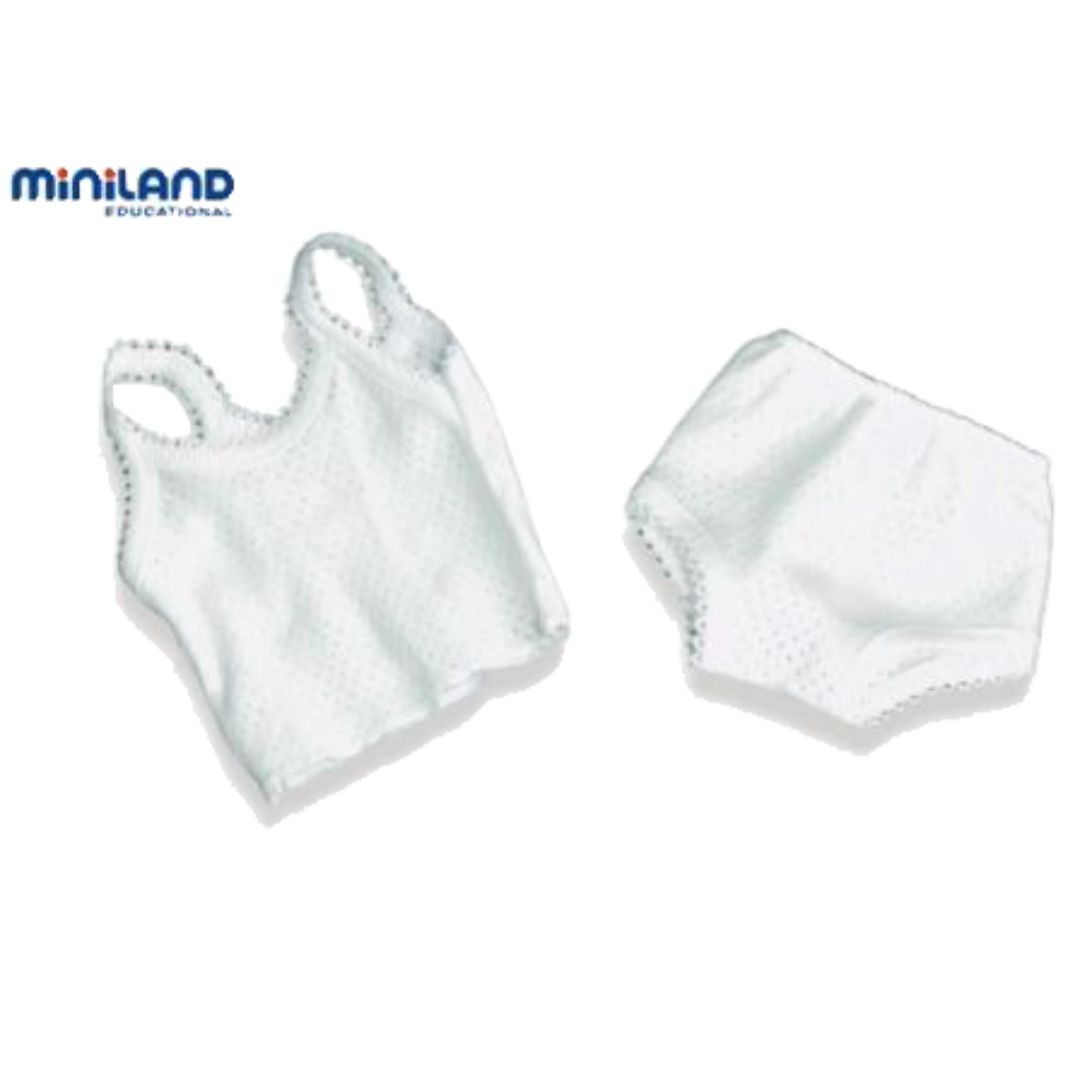
Invite children to create accessories or clothing for the doll using various materials, promoting creativity and fine motor skills.
Provocation Ideas
Provide books and resources that reflect diverse cultures and family dynamics, prompting discussions and role play with the doll to deepen understanding of inclusivity.
Organise a ‘family day’ event where children can bring in dolls or toys from home, encouraging them to share stories about their significance and fostering connections among peers.