
How this product aligns with the EYLF
Supporting play-based learning and inquiry
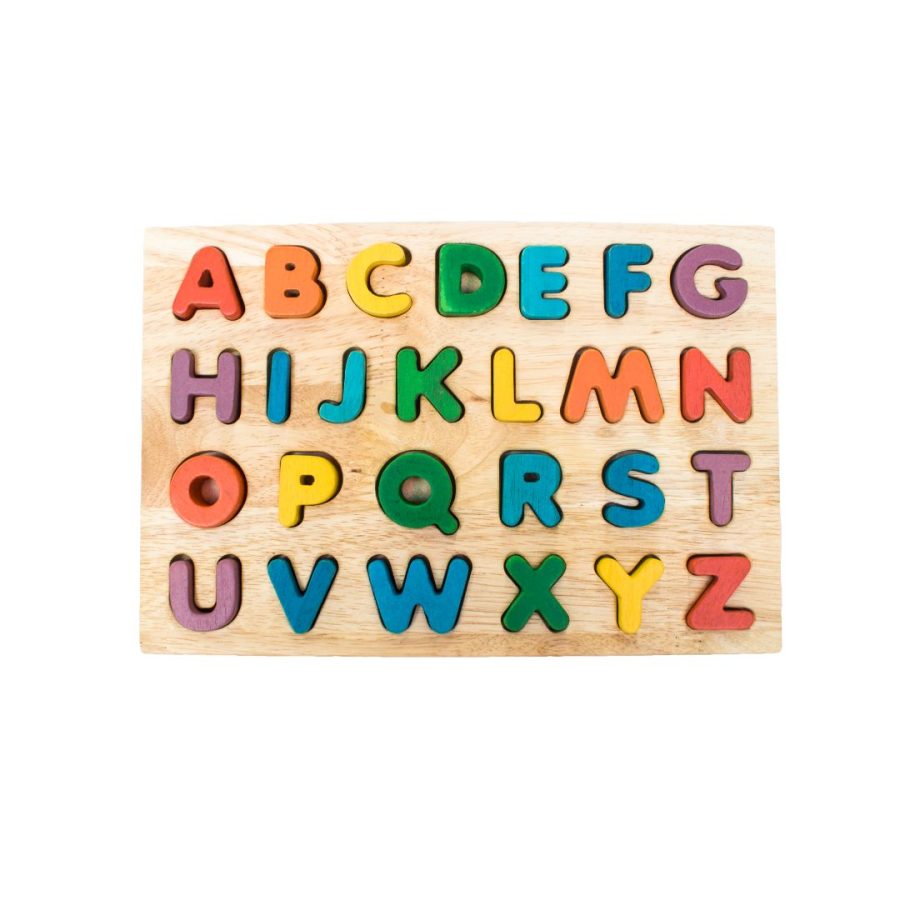
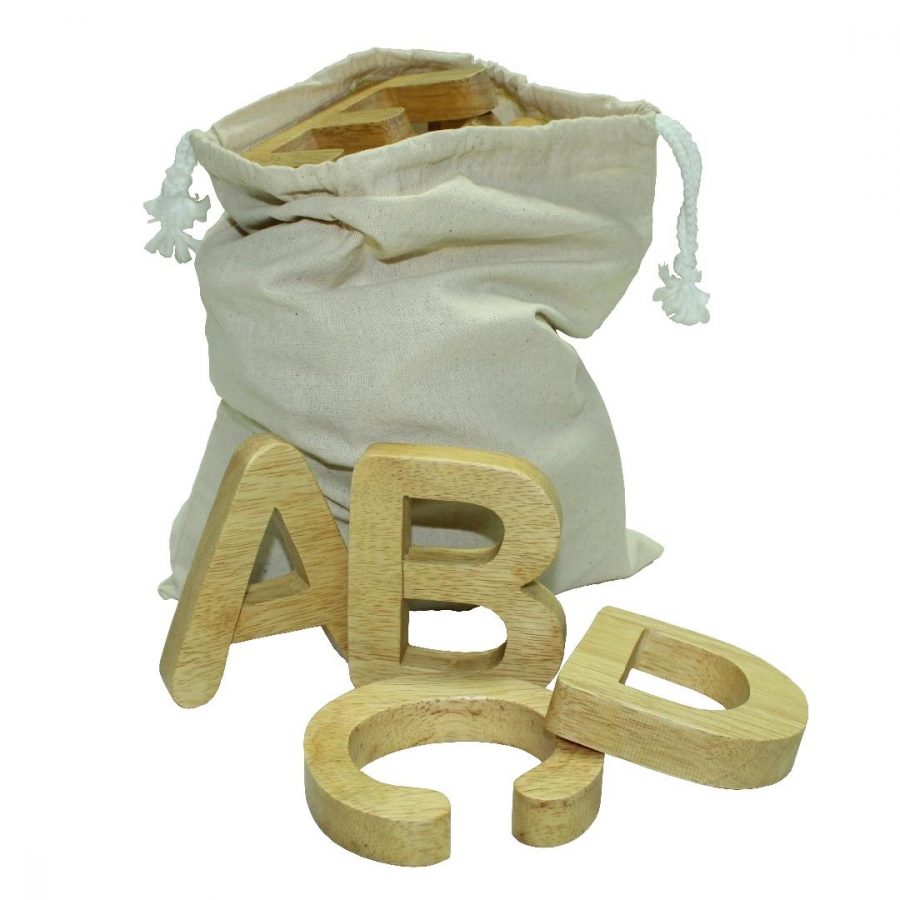
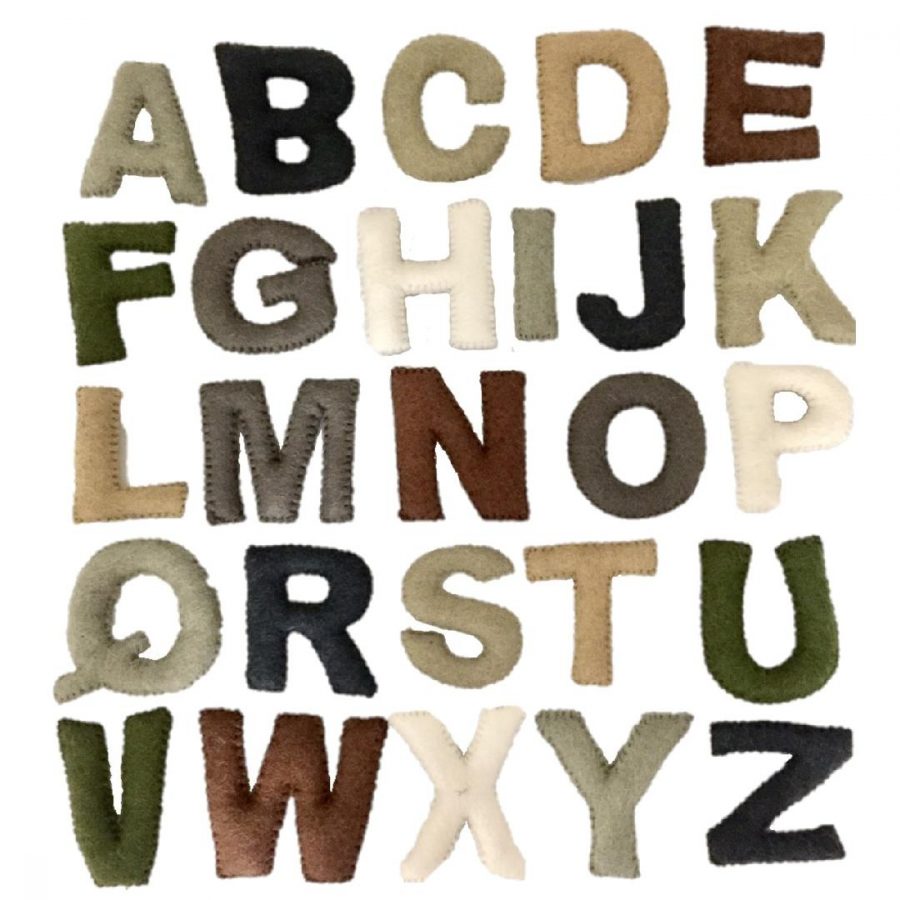
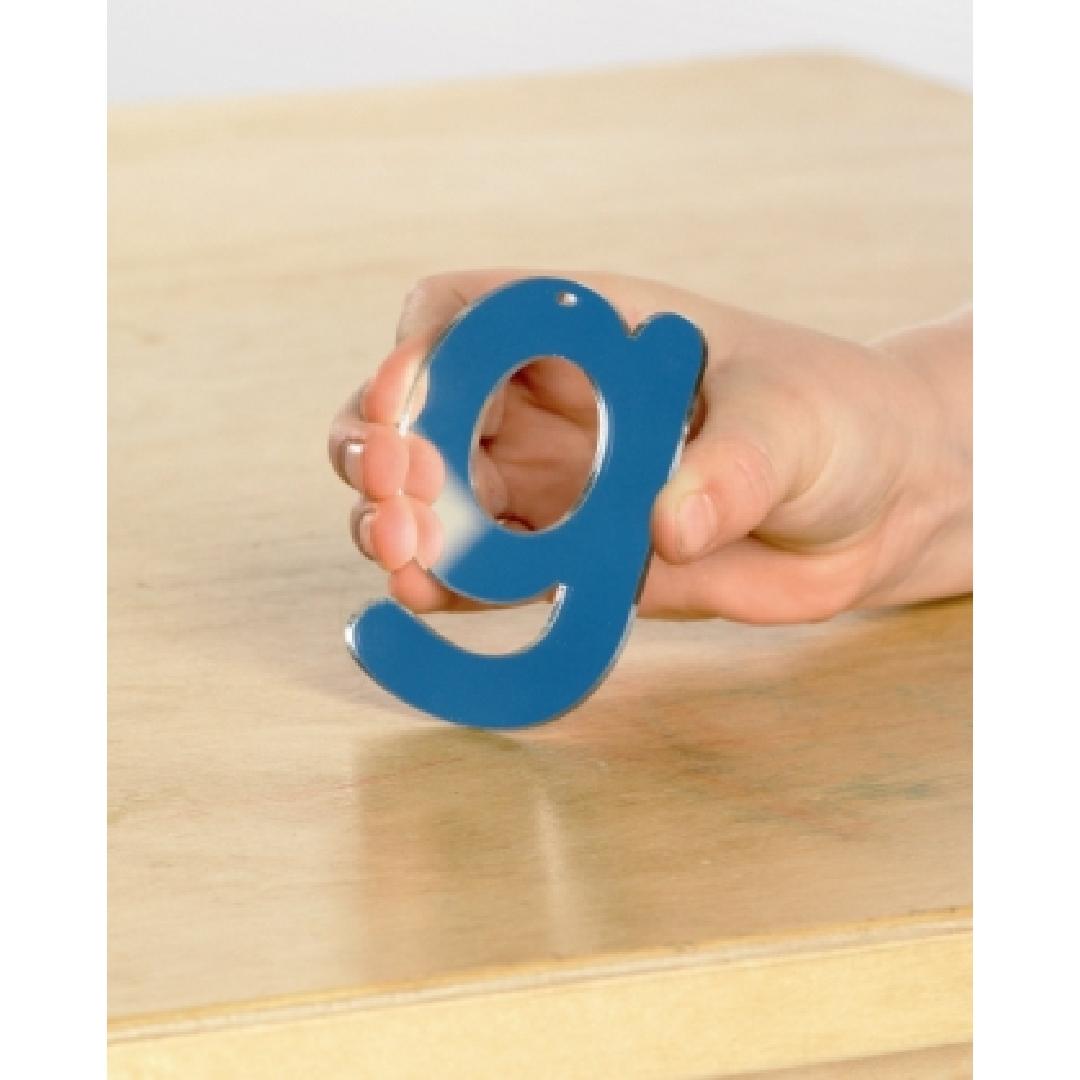
The Small Mirror Letters set encourages children to engage in play-based learning by providing a tactile and visual experience that promotes exploration. As children manipulate the letters, they can investigate their shapes and forms, fostering curiosity and inquiry about letters and their uses in language.
Building language, imagination, and social skills
These mirror letters support the development of early literacy skills as children engage in activities that involve letter recognition and phonemic awareness. Through collaborative play, children can share ideas and stories, enhancing their language skills and social interactions as they create words and sentences together.
Relevant EYLF Outcomes
Outcome 1: Children have a strong sense of identity
Outcome 5: Children are effective communicators
Outcome 4: Children are confident and involved learners
Classroom, Play Activity & Provocation Ideas
Classroom & Learning Area Ideas
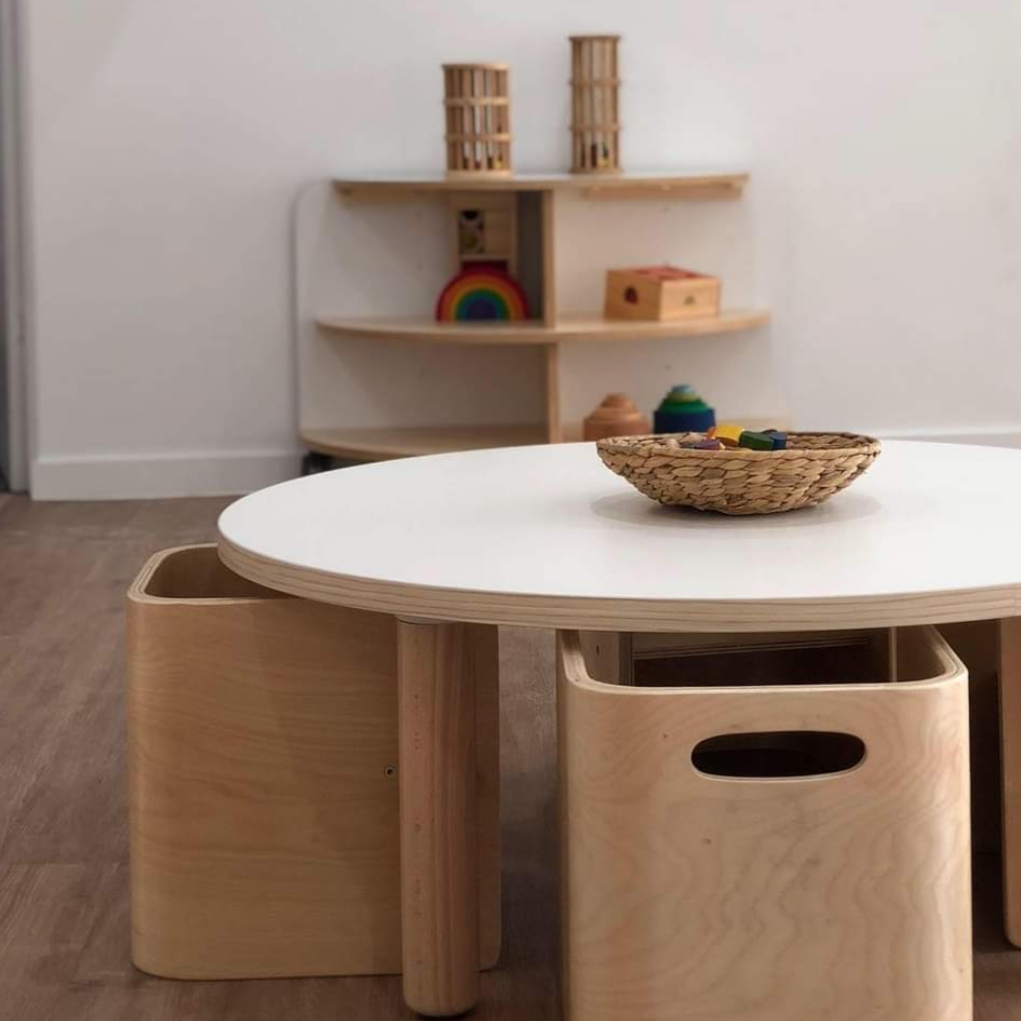
Set up a literacy corner where children can explore the Small Mirror Letters on a light table, encouraging them to create words and observe reflections.
Incorporate the letters into a display area where children can hang their creations, promoting a sense of ownership and pride in their learning environment.
Play-Based Activity Ideas
Encourage children to trace the letters with their fingers, enhancing fine motor skills while reinforcing letter recognition.
Organise a letter scavenger hunt where children search for specific letters around the classroom, fostering movement and engagement in literacy activities.
Create a storytelling session where children use the letters to form words that relate to their stories, promoting language development and creativity.
Provocation Ideas
Introduce a reflective art activity where children can use the letters to create patterns or designs, integrating literacy with visual arts.
Set up a sensory bin filled with the Small Mirror Letters, allowing children to explore the letters through touch and sight, stimulating their sensory development.