
How this product aligns with the EYLF
Encouraging wellbeing, comfort, and independence
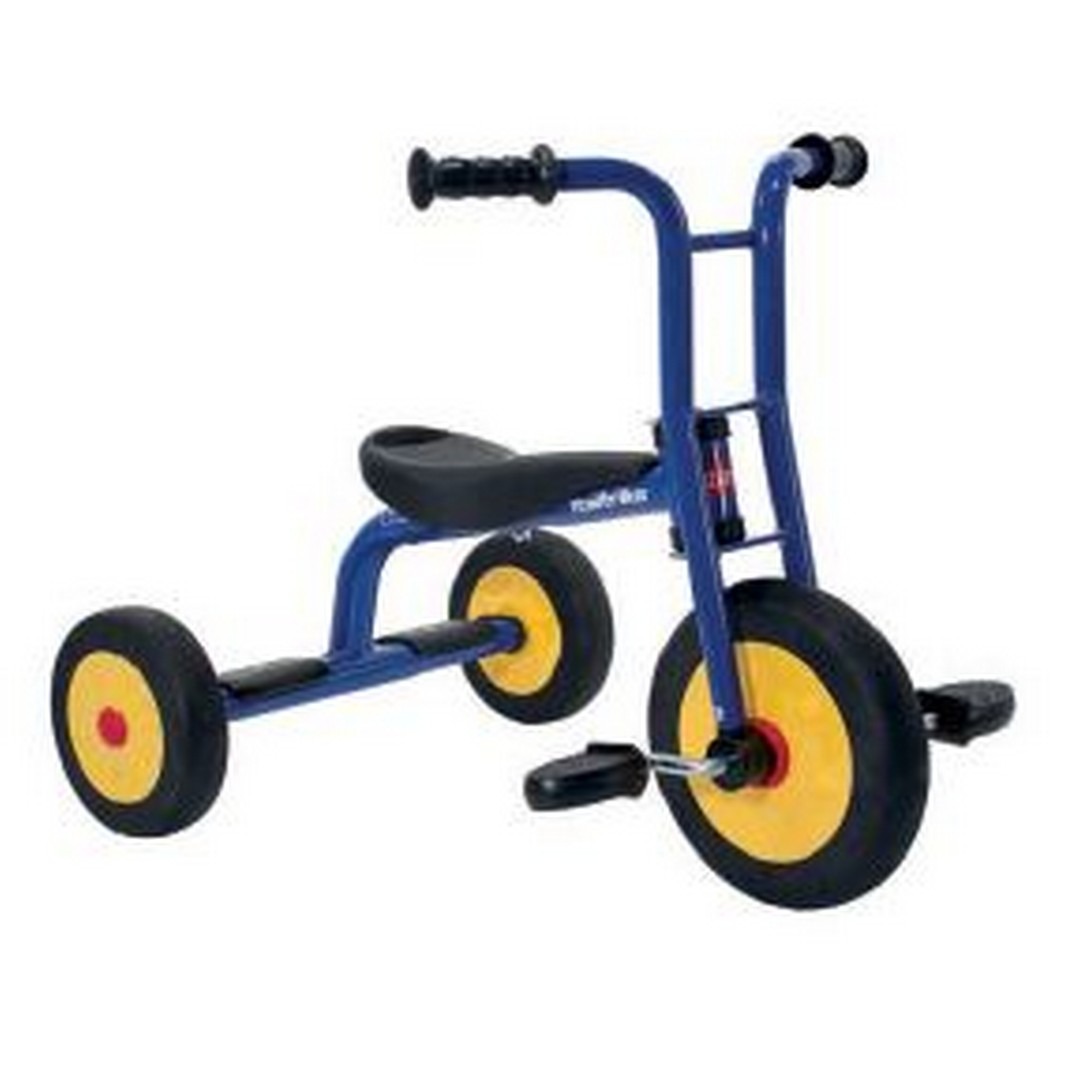
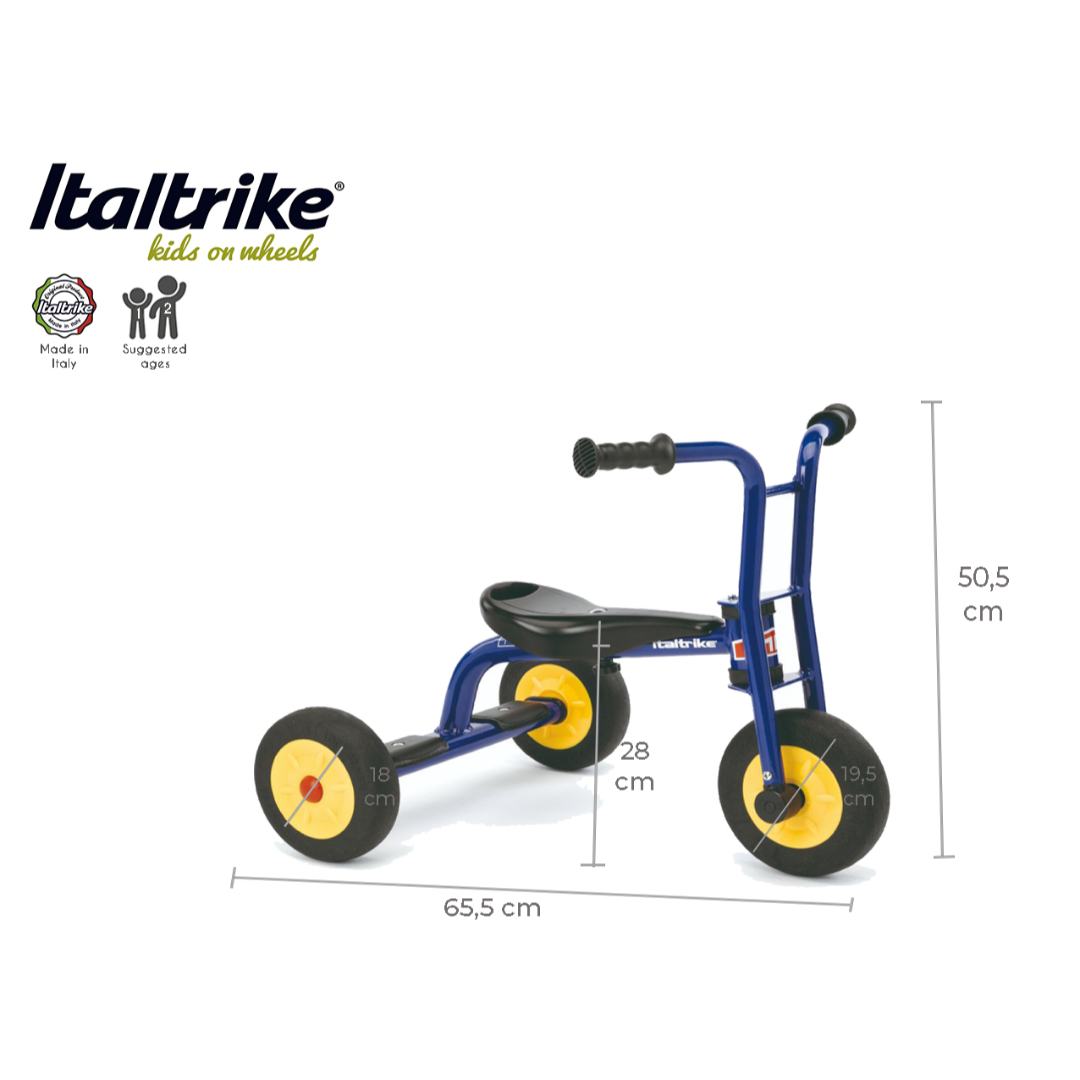
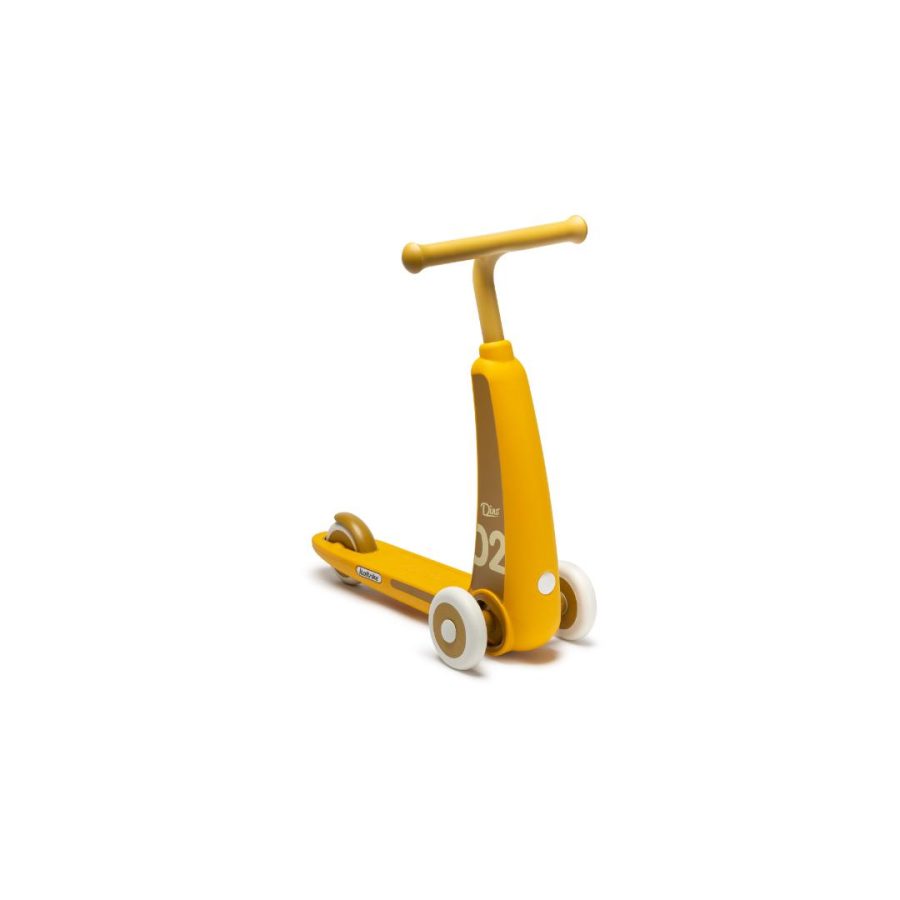
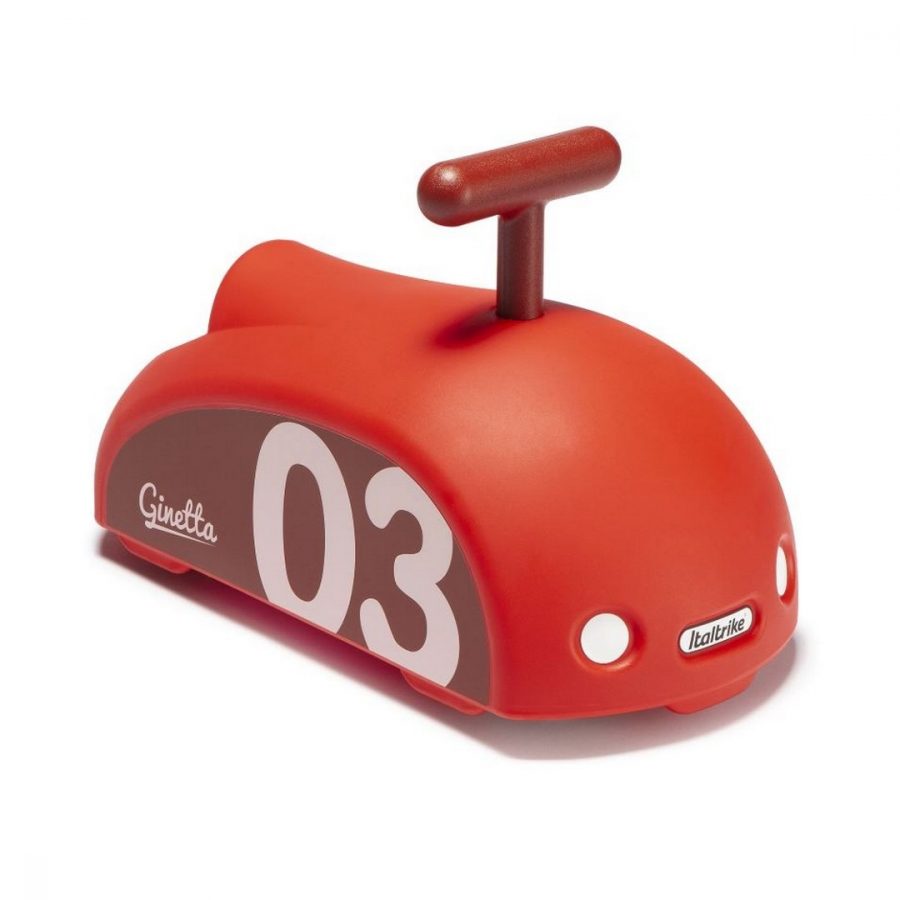
The Atlantic Extra Small Trike supports children’s physical development by promoting active play and encouraging independence as they learn to pedal and navigate. As children engage with the tricycle, they develop their coordination, balance, and motor skills, fostering a sense of confidence in their physical abilities.
Supporting play-based learning and inquiry
This tricycle provides an opportunity for children to explore their environment while engaging in active play. As they ride, children can experiment with speed, direction, and control, leading to inquiry-based learning about movement and spatial awareness, which are essential components of their early development.
Relevant EYLF Outcomes
Outcome 3: Children have a strong sense of wellbeing
Outcome 4: Children are confident and involved learners
Outcome 5: Children are effective communicators
Classroom, Play Activity & Provocation Ideas
Classroom & Learning Area Ideas
Set up a designated outdoor area for the tricycle, encouraging children to take turns and share their riding experiences, promoting social interaction and cooperation.
Incorporate the tricycle into a physical activity corner, where children can engage in various movement-based activities that enhance their gross motor skills.
Play-Based Activity Ideas
Create an obstacle course using cones or soft barriers for children to navigate while riding the tricycle, enhancing their problem-solving skills and spatial awareness.
Encourage children to role-play as they ride, using the tricycle as a vehicle in imaginative scenarios, which supports language development and creativity.
Organise group rides where children can practice following directions and understanding traffic concepts, fostering social skills and collaboration.
Provocation Ideas
Introduce a storytelling session where children can share their experiences of riding the tricycle, encouraging language development and narrative skills.
Provide materials for children to create signs or maps for their riding area, integrating early literacy and numeracy concepts into their play.