How this product aligns with the EYLF
Supporting play-based learning and inquiry
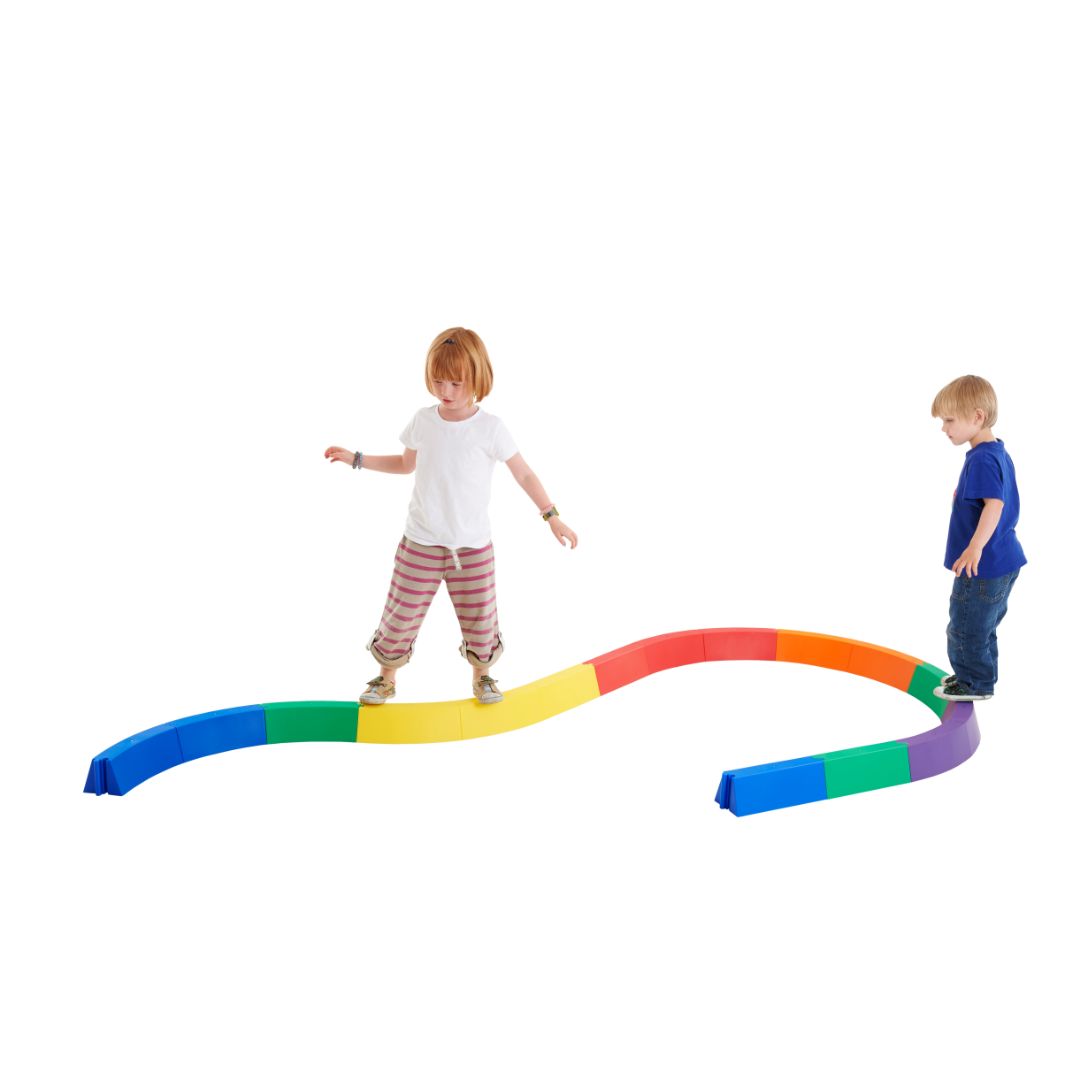
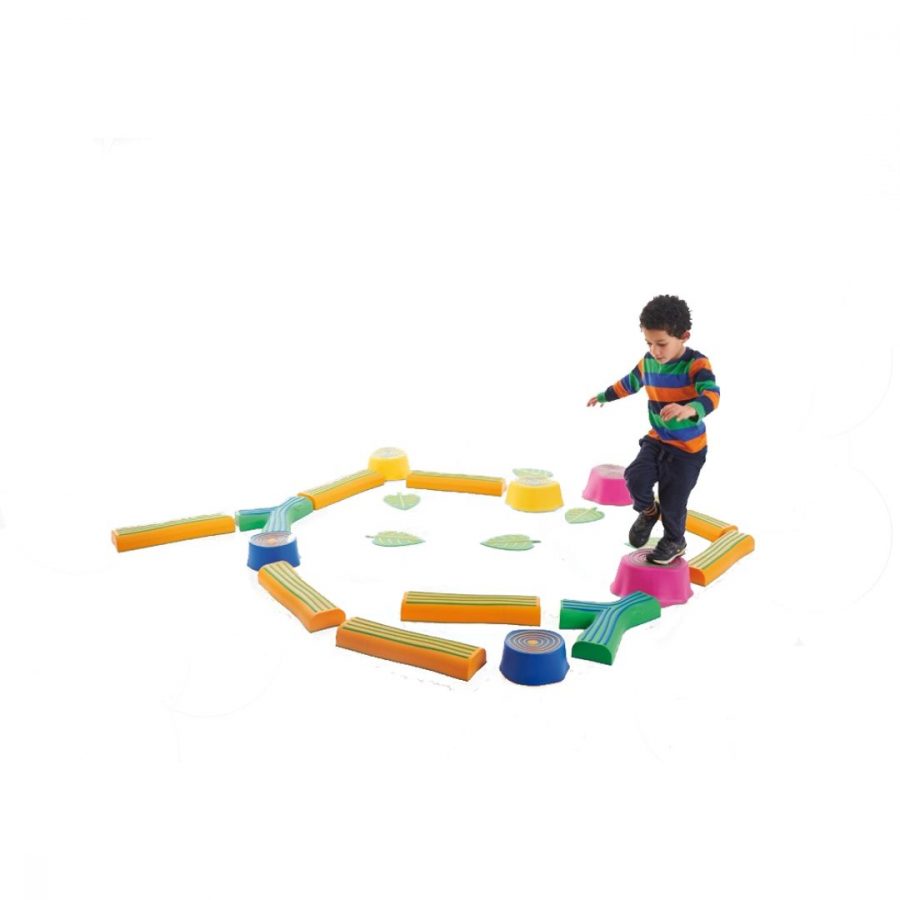
The Balancing Path encourages children to engage in active, play-based learning as they explore balance and coordination. By creating various pathways and obstacle courses, children can experiment with movement, fostering their curiosity and problem-solving skills through physical play.
Encouraging wellbeing, comfort, and independence
This product supports children’s physical development by promoting gross motor skills and confidence in their abilities. As children navigate the Balancing Path, they build resilience and self-esteem, which are essential for their overall wellbeing and independence in learning environments.
Relevant EYLF Outcomes
Outcome 3: Children have a strong sense of wellbeing
Outcome 4: Children are confident and involved learners
Outcome 5: Children are effective communicators
Classroom, Play Activity & Provocation Ideas
Classroom & Learning Area Ideas
Set up the Balancing Path in a designated active play area to encourage regular physical activity and movement throughout the day. Integrate it into a sensory play space where children can explore different textures and materials while balancing.
Play-Based Activity Ideas
Create themed obstacle courses using the Balancing Path, allowing children to role-play as explorers or athletes while developing their coordination. Incorporate storytelling by having children navigate the path while acting out a story or adventure, enhancing their language skills.
Provocation Ideas
Invite children to design their own balancing challenges, encouraging them to think critically about how to create a safe and fun experience. Use the Balancing Path to facilitate discussions about balance in nature, such as how animals move, linking physical play to broader learning concepts.