
How this product aligns with the EYLF
Building language, imagination, and social skills
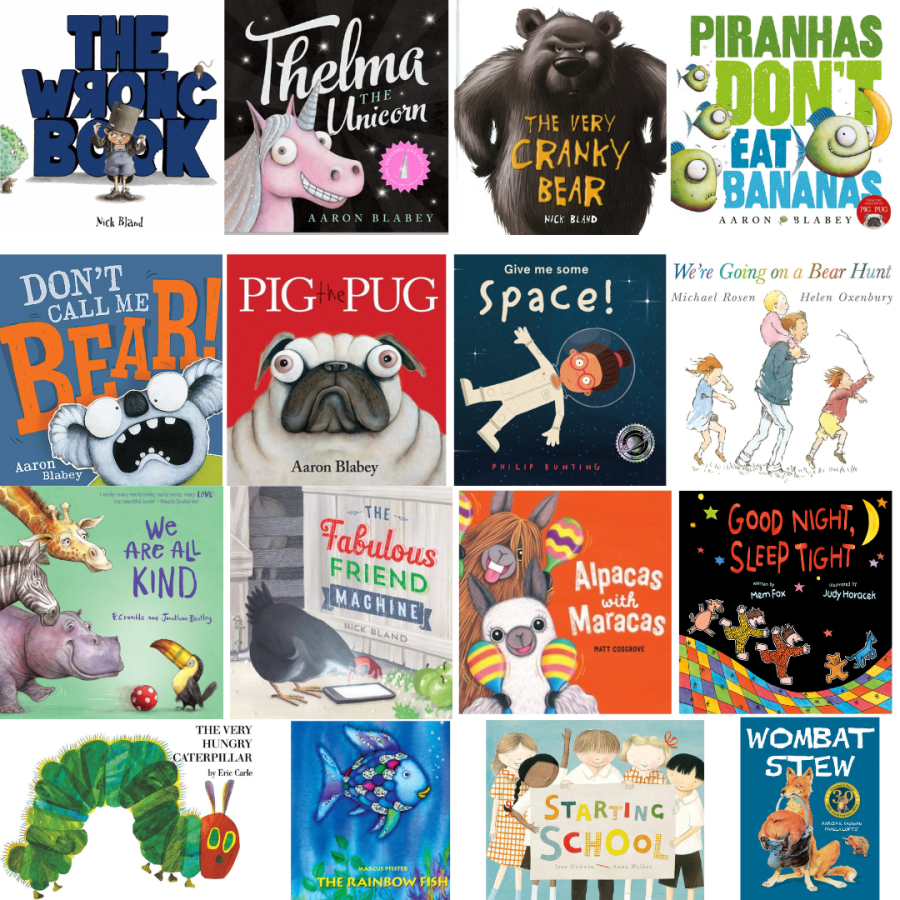
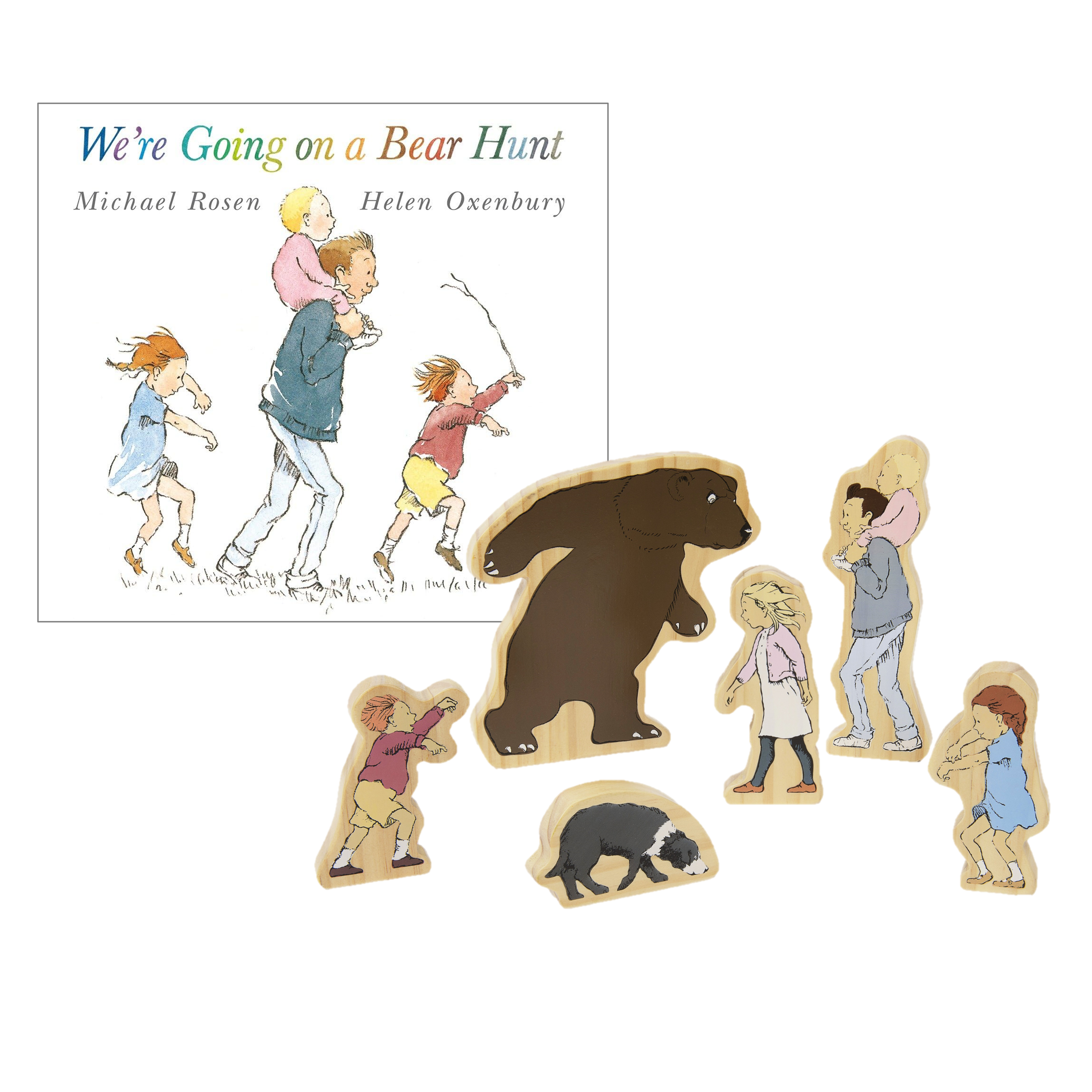
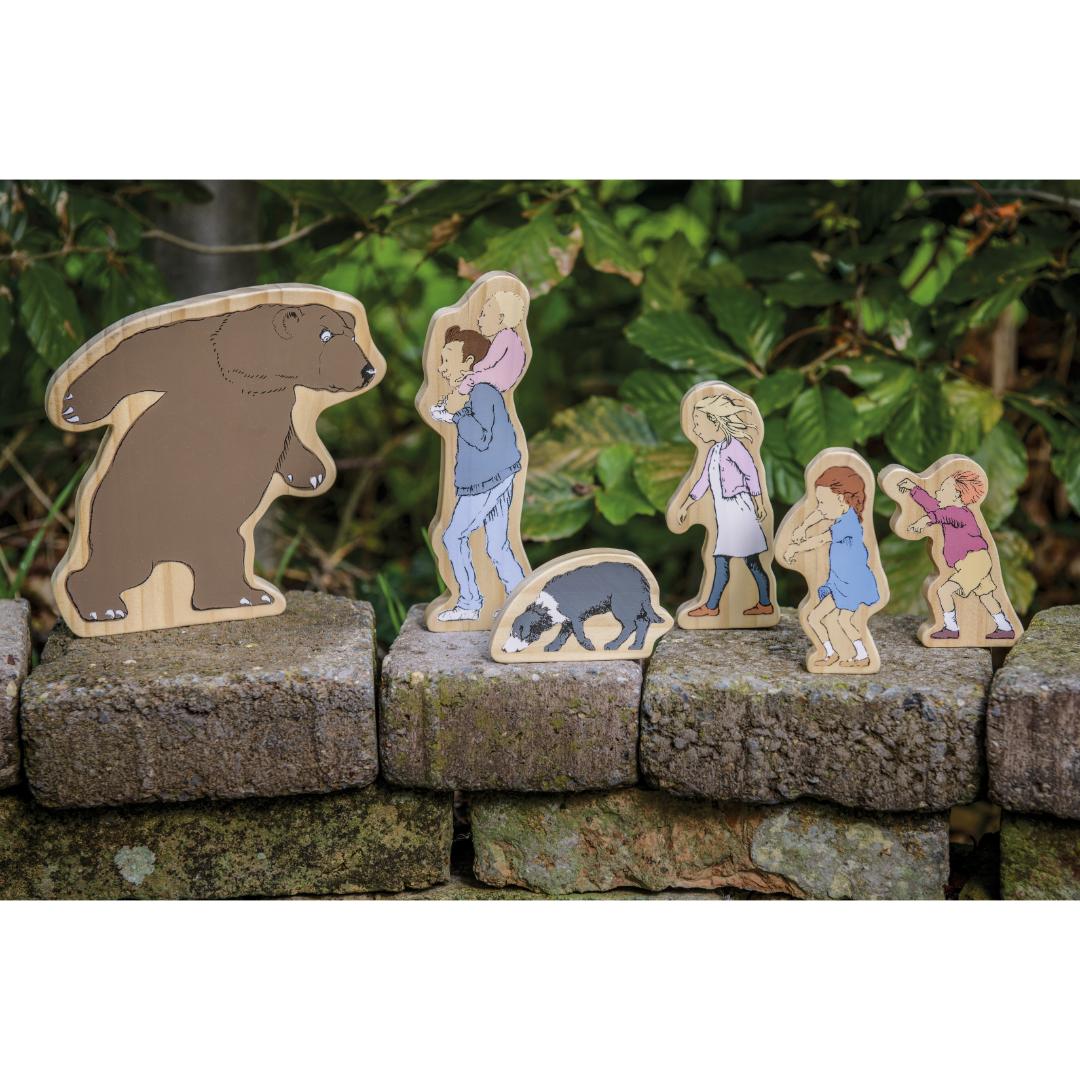
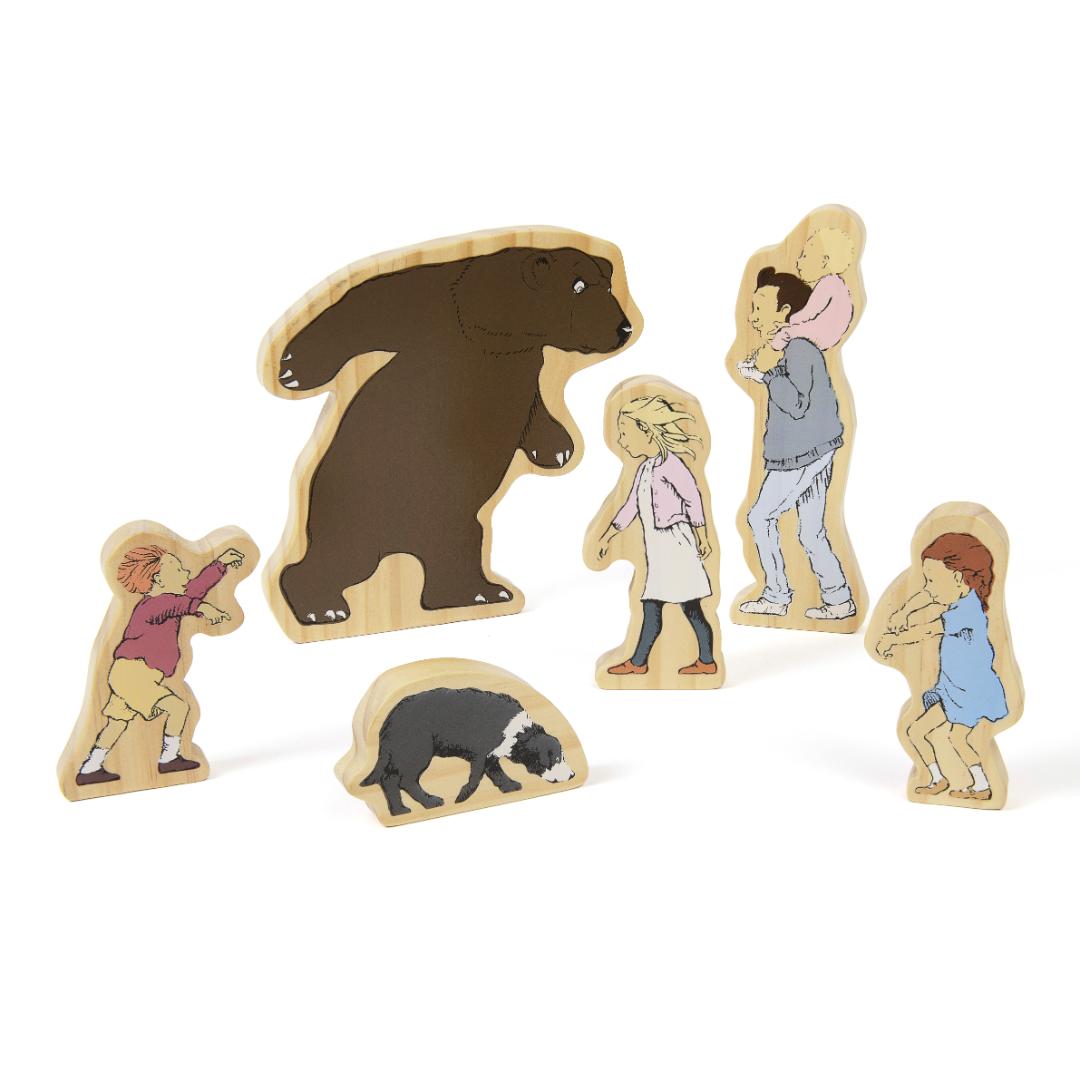
The We’re Going on a Bear Hunt Book and Wooden Characters Set encourages children to engage with narrative through retelling and imaginative play. As children recreate the story using the wooden characters, they develop their language skills and enhance their ability to express thoughts and ideas, fostering social interactions as they collaborate with peers during play.
Supporting play-based learning and inquiry
This product provides a rich opportunity for play-based learning as children explore various environments depicted in the story. By manipulating the wooden characters and engaging in role-play, children can investigate concepts such as sequencing, cause and effect, and environmental features, all while enjoying a familiar narrative.
Relevant EYLF Outcomes
Outcome 1: Children have a strong sense of identity
Outcome 5: Children are effective communicators
Outcome 4: Children are confident and involved learners
Classroom, Play Activity & Provocation Ideas
Classroom & Learning Area Ideas
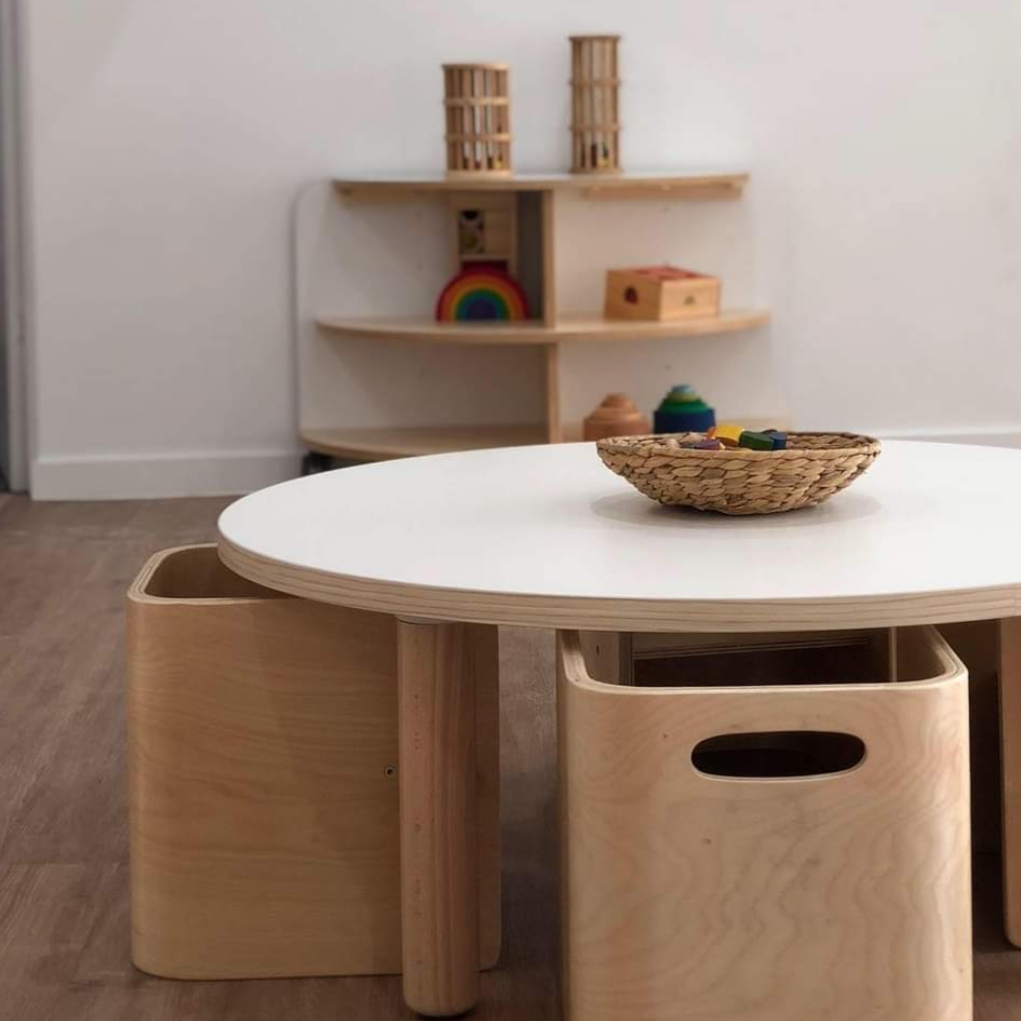
Create a dedicated storytelling corner where children can access the book and characters, encouraging independent or group reading sessions.
Set up themed play areas that represent different scenes from the story, allowing children to immerse themselves in the narrative.
Play-Based Activity Ideas
Encourage children to act out the story with the wooden characters, prompting them to use descriptive language and express emotions related to the characters’ experiences.
Facilitate a group discussion about the different environments in the story, prompting children to create their own versions of the bear hunt using available materials.
Invite children to draw or paint their favourite scene from the book, integrating literacy with creative expression.
Provocation Ideas
Provide natural materials such as leaves, sticks, and water to create a sensory experience that mirrors the environments in the story, prompting children to explore and discuss their findings.
Introduce open-ended questions related to the story, such as “What do you think the bear is doing?” to stimulate critical thinking and imaginative responses.