
How this product aligns with the EYLF
Supporting play-based learning and inquiry
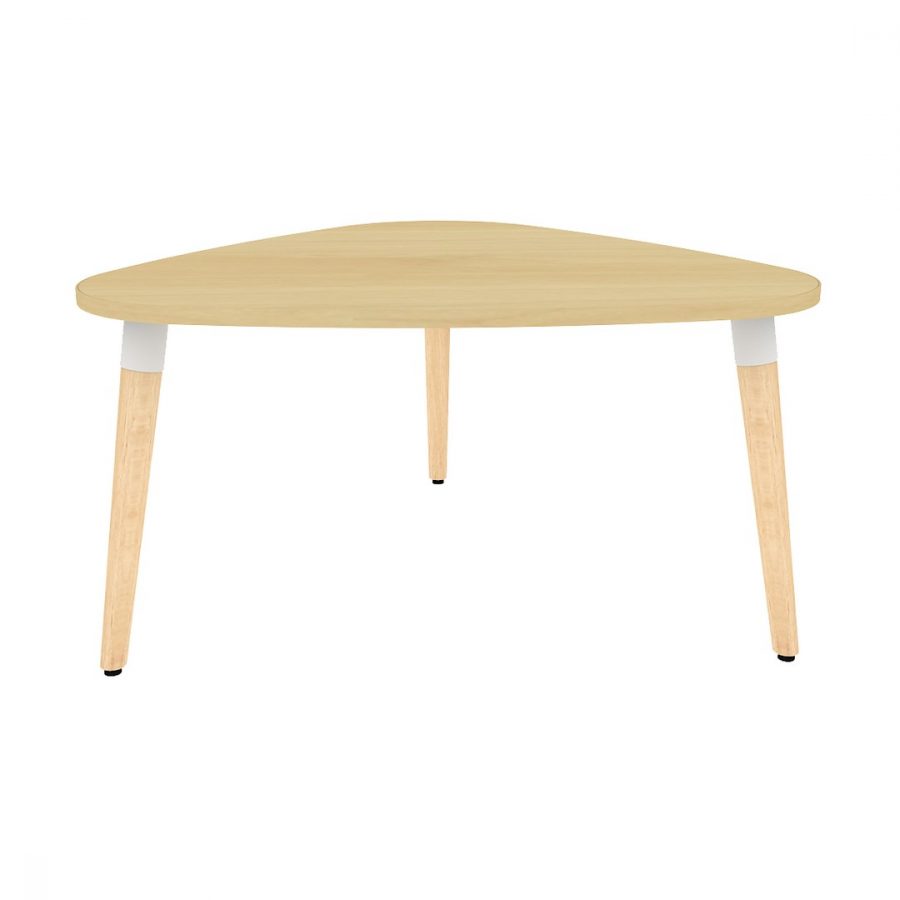
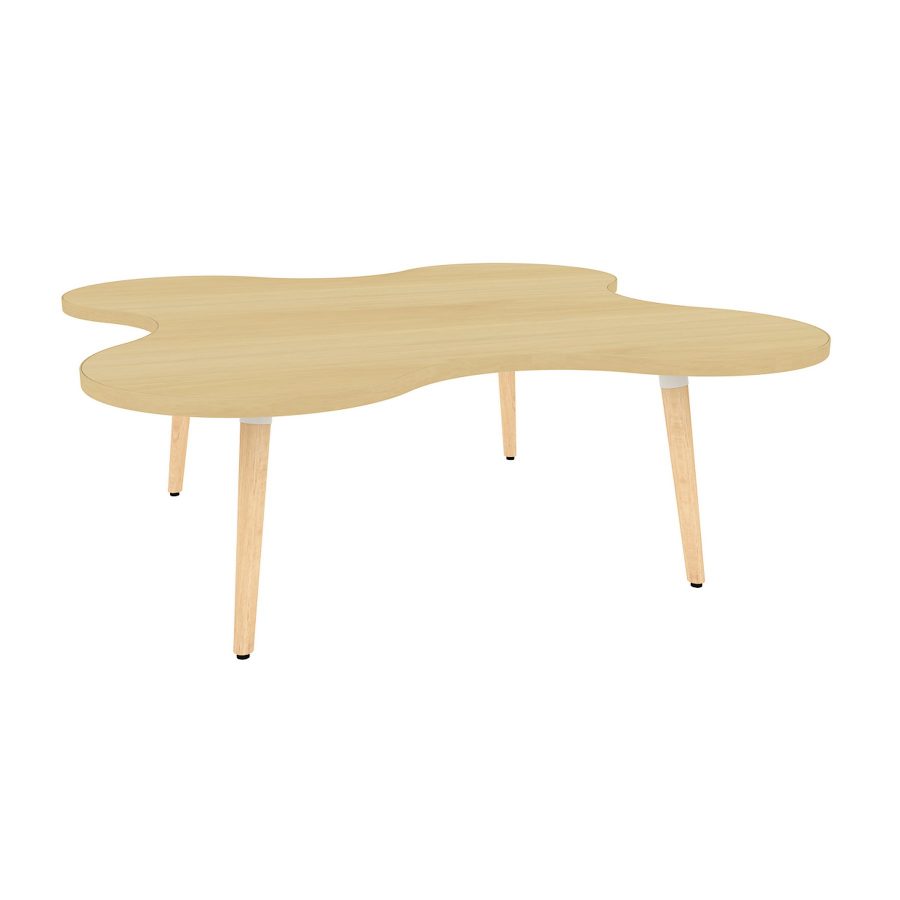
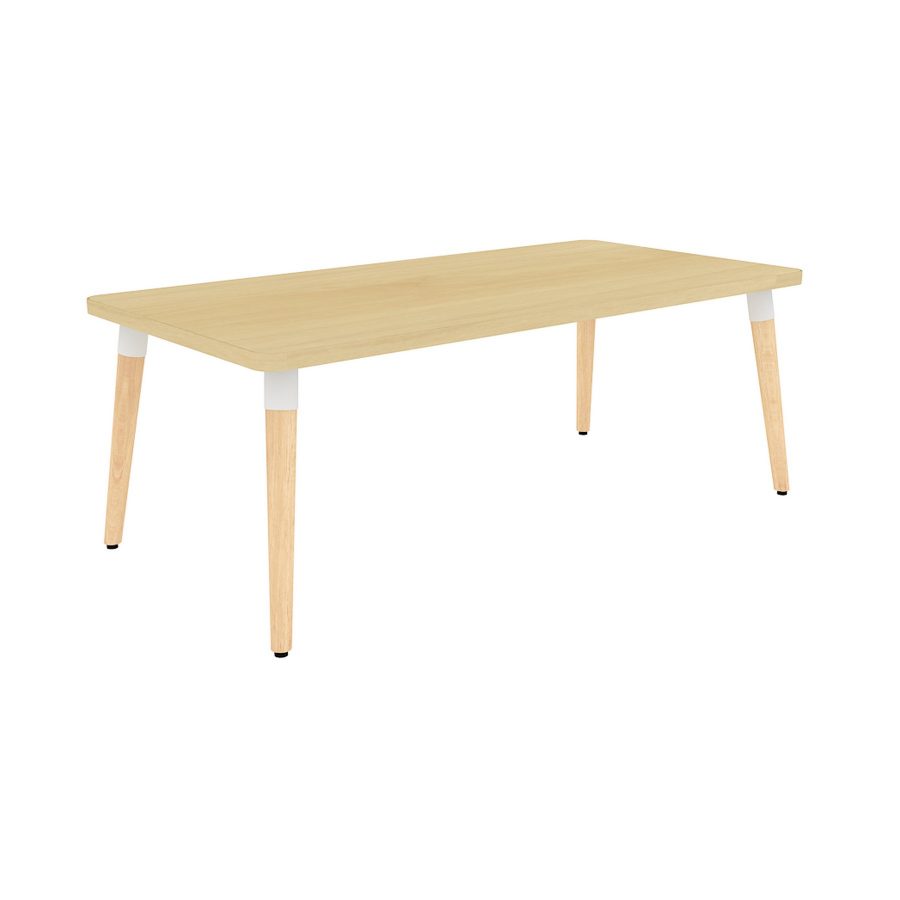
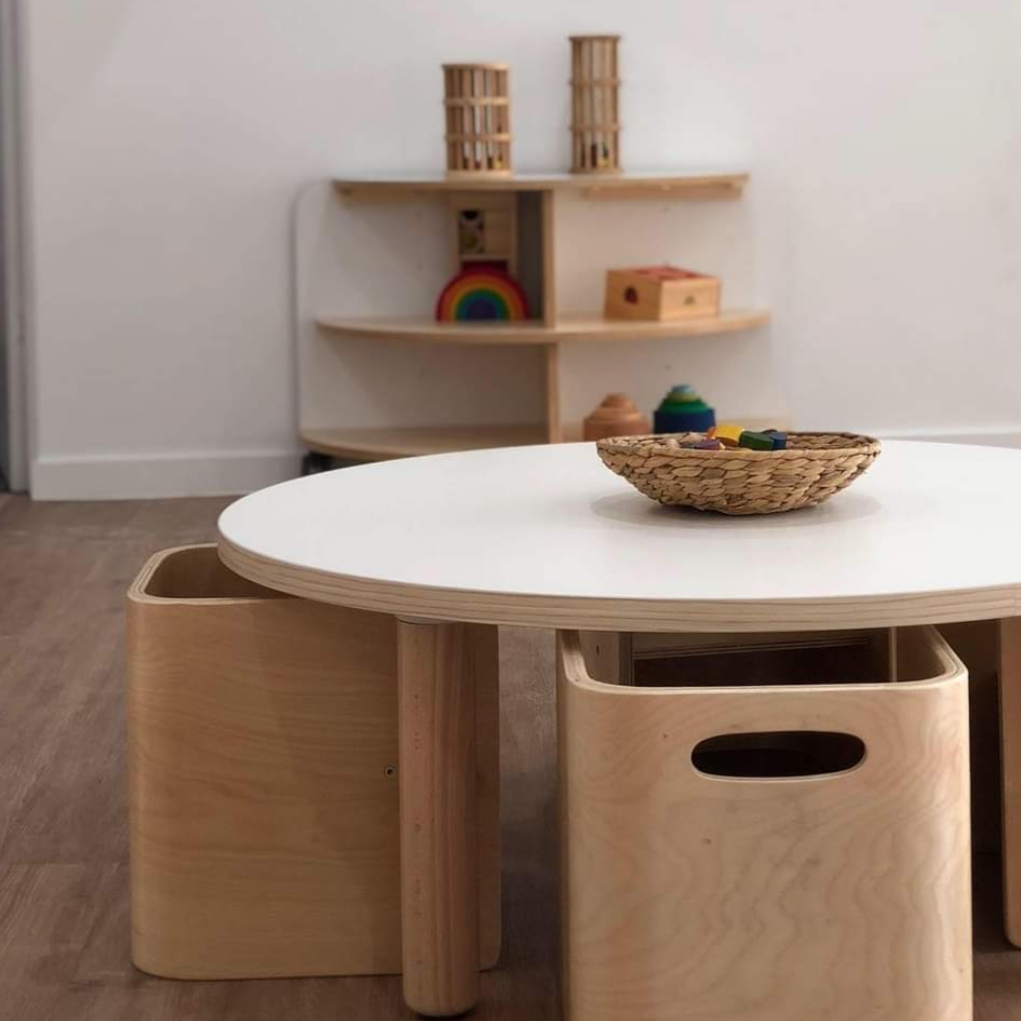
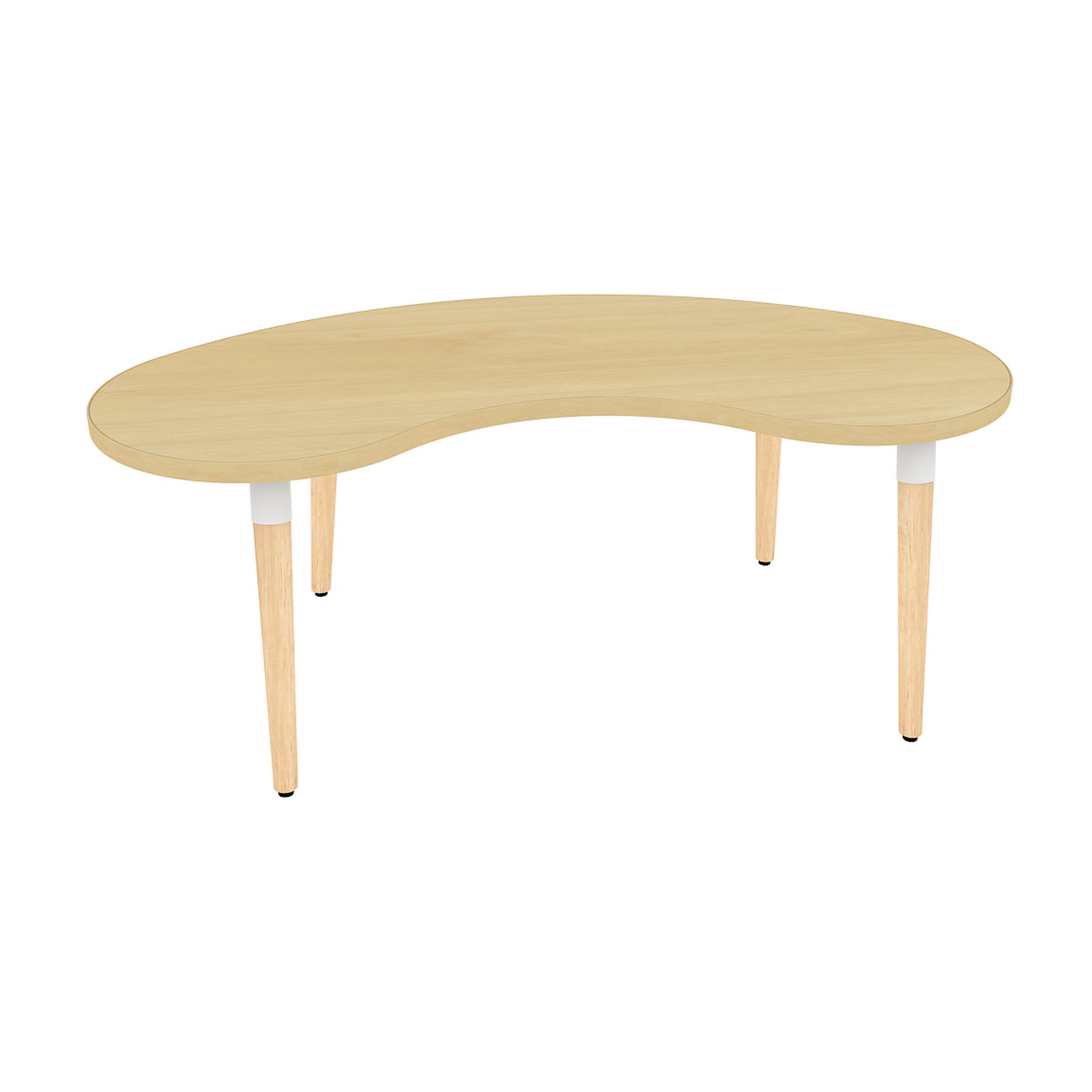
The Oslo Feeding Table provides a versatile space for children to engage in play-based learning and inquiry. Its design encourages collaborative activities, allowing children to work together on projects, share ideas, and explore concepts in a supportive environment. This interaction fosters critical thinking and problem-solving skills as children navigate their learning experiences together.
Encouraging wellbeing, comfort, and independence
The Oslo Feeding Table promotes a sense of comfort and independence in children as they gather around a space designed for social interaction and engagement. The table’s height options cater to various age groups, allowing children to choose a comfortable seating arrangement that supports their physical wellbeing. This autonomy in selecting their space encourages confidence and a sense of belonging within the learning environment.
Relevant EYLF Outcomes
Outcome 1: Children have a strong sense of identity
Outcome 2: Children are connected with and contribute to their world
Outcome 3: Children have a strong sense of wellbeing
Classroom, Play Activity & Provocation Ideas
Classroom & Learning Area Ideas
Set up the Oslo Feeding Table in a designated art area where children can collaborate on creative projects, sharing materials and ideas.
Use the table as a central gathering point for group discussions or storytelling sessions, fostering language development and social interaction.
Play-Based Activity Ideas
Encourage children to engage in role-play scenarios at the table, such as setting up a café or a shop, which promotes imaginative play and social skills.
Provide a variety of loose parts for children to explore and create structures or designs on the table, supporting their problem-solving and STEM skills.
Provocation Ideas
Place a selection of books and storytelling props on the table to inspire children’s narrative skills and encourage them to create their own stories.
Introduce a science experiment station at the table, where children can conduct simple experiments, fostering inquiry and exploration in a hands-on manner.