How this product aligns with the EYLF
Supporting play-based learning and inquiry
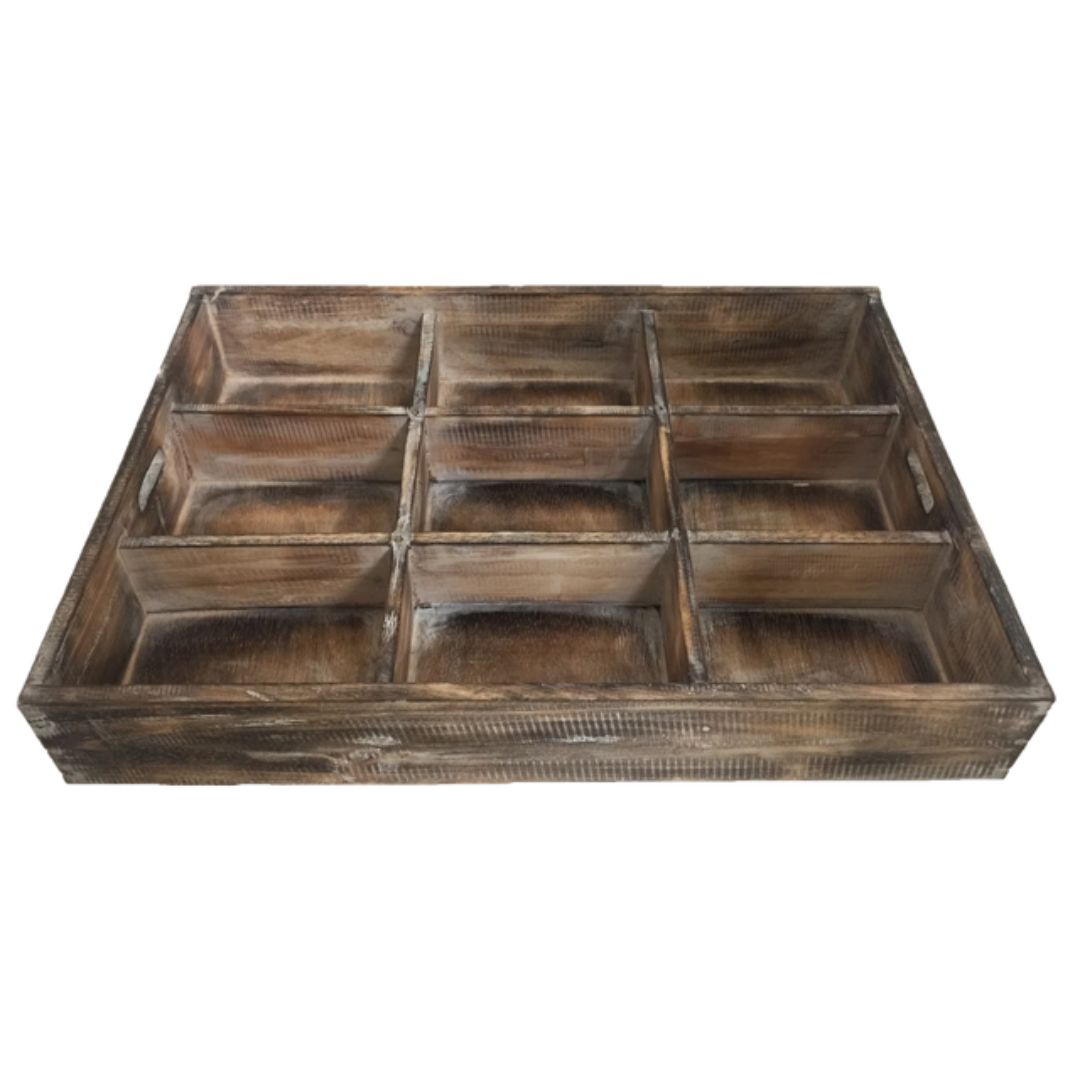
The Sorting Tray Large encourages children to engage in play-based learning by providing a structured environment for sorting and categorising various items. As children explore the compartments, they can experiment with different groupings, fostering curiosity and inquiry about the characteristics of the objects they are sorting.
Developing early STEM and problem-solving skills
This product supports the development of early STEM skills by allowing children to practice sorting based on attributes such as size, shape, and colour. Through this hands-on experience, children enhance their mathematical understanding of grouping and classification, which are foundational concepts in early numeracy.
Relevant EYLF Outcomes
Outcome 4: Children are confident and involved learners.
Outcome 5: Children are effective communicators.
Classroom, Play Activity & Provocation Ideas
Classroom & Learning Area Ideas
Set up a dedicated sorting station where children can use the tray to organise natural materials collected from outdoor play, promoting exploration of the natural world.
Incorporate the sorting tray into a literacy area, encouraging children to sort story props or characters related to a book being read, enhancing their storytelling skills.
Play-Based Activity Ideas
Encourage children to sort loose parts by different criteria, such as colour or texture, to stimulate discussions about their choices and reasoning.
Use the sorting tray during a cooking activity, allowing children to sort ingredients or utensils, reinforcing their understanding of categorisation in everyday contexts.
Introduce themed sorting challenges, such as sorting animals by habitat or food types, to expand their knowledge and vocabulary.
Provocation Ideas
Present a variety of treasures from nature and invite children to explore and sort them using the tray, prompting questions about their differences and similarities.
Create a mystery box with assorted items and encourage children to guess how they might sort them before they begin, fostering critical thinking and problem-solving skills.