




How this product aligns with the EYLF
Supporting wellbeing, comfort, and independence
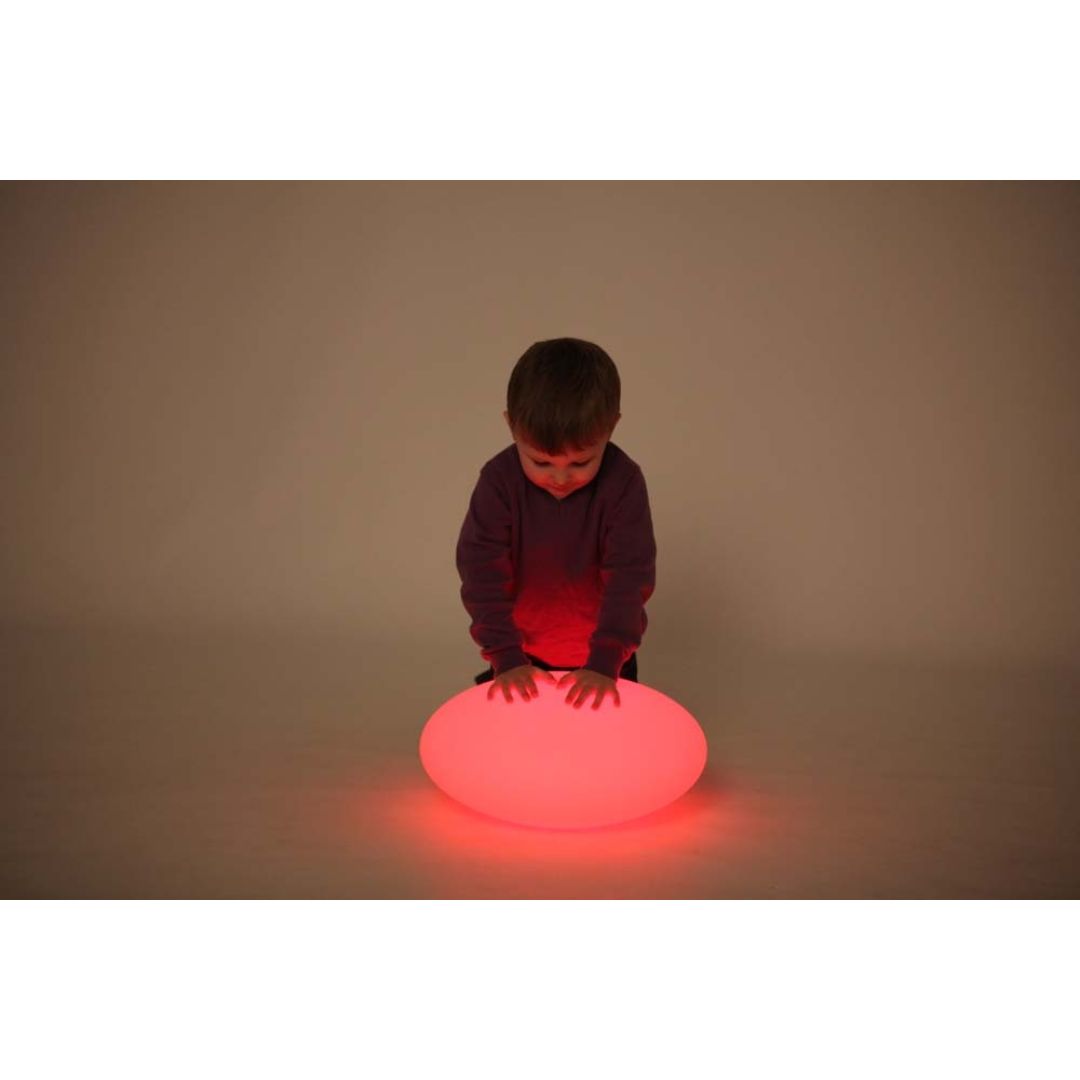
The Sensory Mood Pebble provides a calming and aesthetically pleasing environment that can enhance children’s sense of wellbeing. By offering a soft, illuminated space, it encourages children to engage in self-directed play and relaxation, fostering independence as they choose how to interact with the sensory corner.
Supporting play-based learning and inquiry
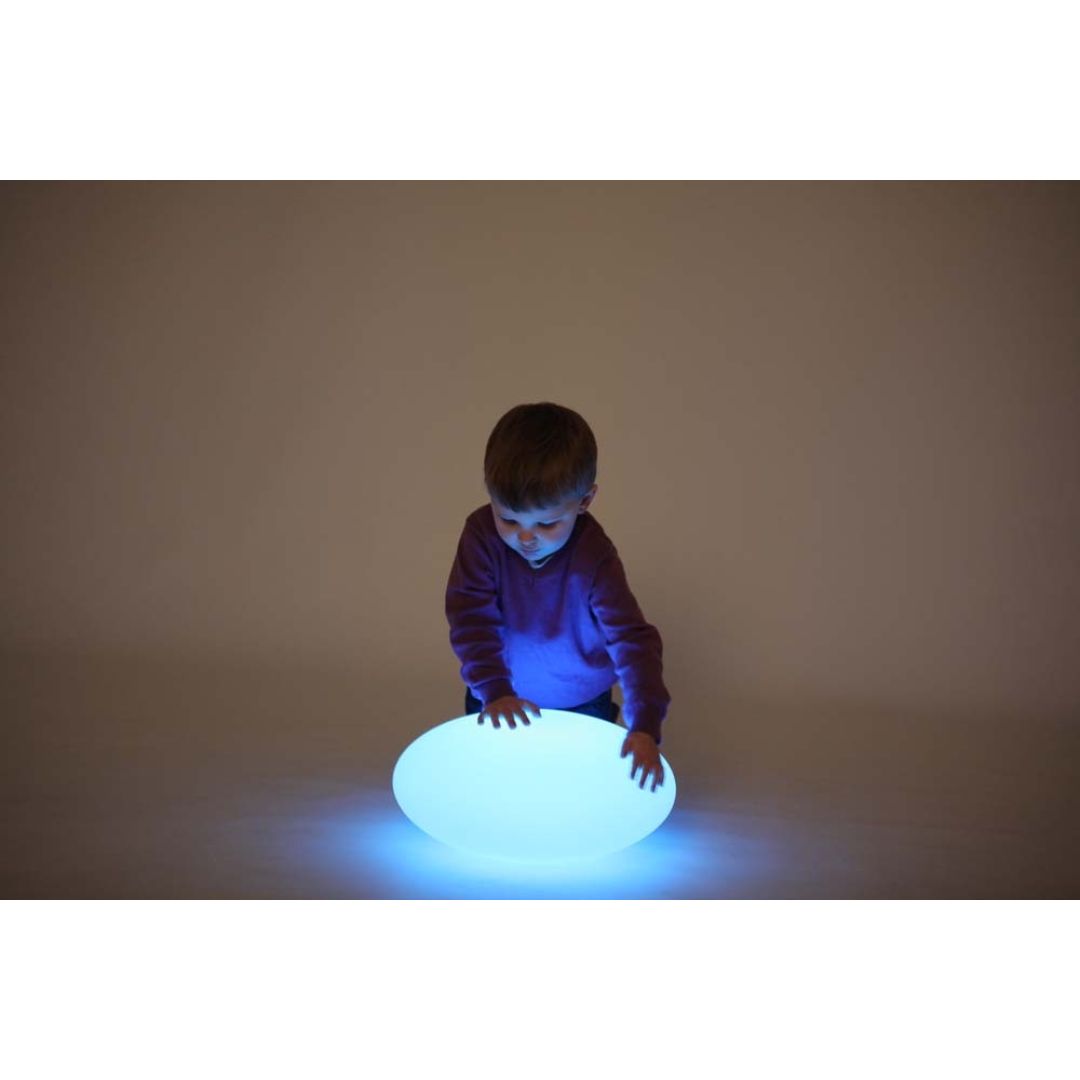
This product invites children to explore light and colour in a playful manner, promoting inquiry-based learning. As children experiment with the remote control to change colours, they engage in discovery and problem-solving, enhancing their understanding of cause and effect through hands-on experiences.
Relevant EYLF Outcomes
Outcome 2: Children are connected with and contribute to their world.
Outcome 3: Children have a strong sense of wellbeing.
Outcome 4: Children are confident and involved learners.
Classroom, Play Activity & Provocation Ideas
Classroom & Learning Area Ideas
Create a sensory corner where the Sensory Mood Pebble serves as a focal point for relaxation and quiet activities, encouraging children to engage in individual or small group play.
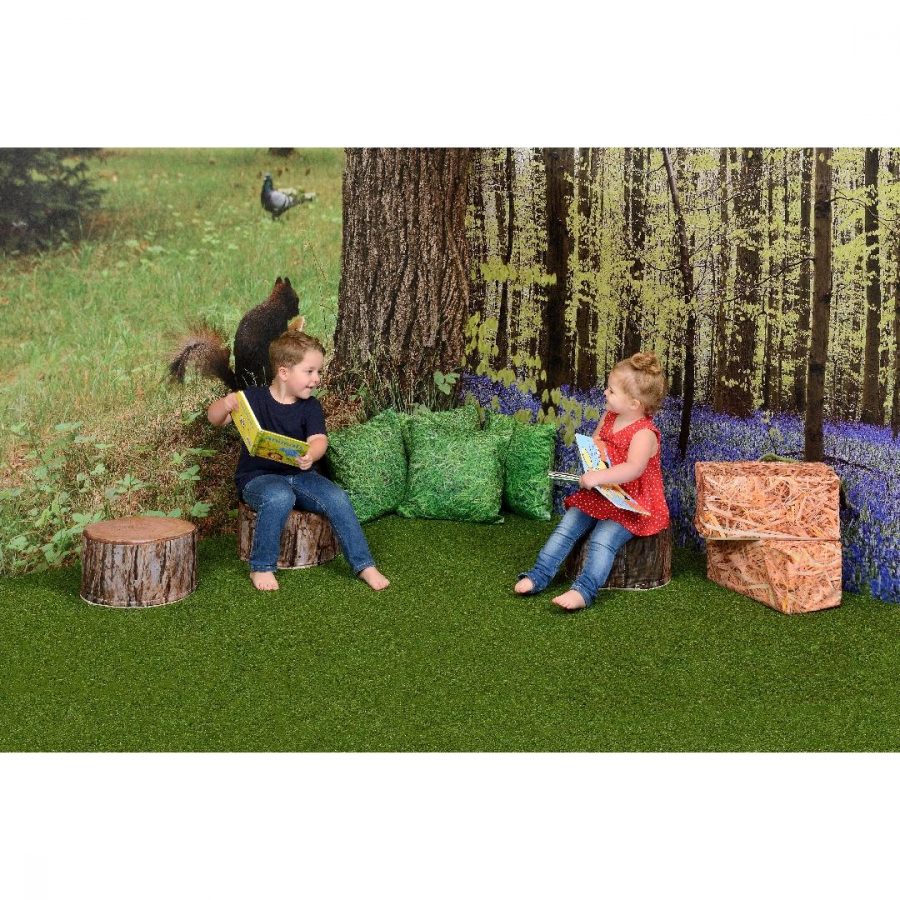
Incorporate the pebble into a reading nook, using its ambient light to create a cozy atmosphere for storytelling sessions.
Play-Based Activity Ideas
Encourage children to use the remote control to explore different colours, discussing their feelings and preferences associated with each shade.
Set up a collaborative art project where children use the pebble’s light to inspire their creative expressions, such as painting or drawing based on the colours they see.
Organise a group activity where children can take turns selecting colours and describing their choices, fostering language development and social interaction.
Provocation Ideas
Invite children to observe how the light changes in different settings, prompting discussions about light and shadow in their environment.
Use the Sensory Mood Pebble to create a calming space during transitions or challenging moments, allowing children to self-regulate and find comfort.