How this product aligns with the EYLF
Supporting play-based learning and inquiry
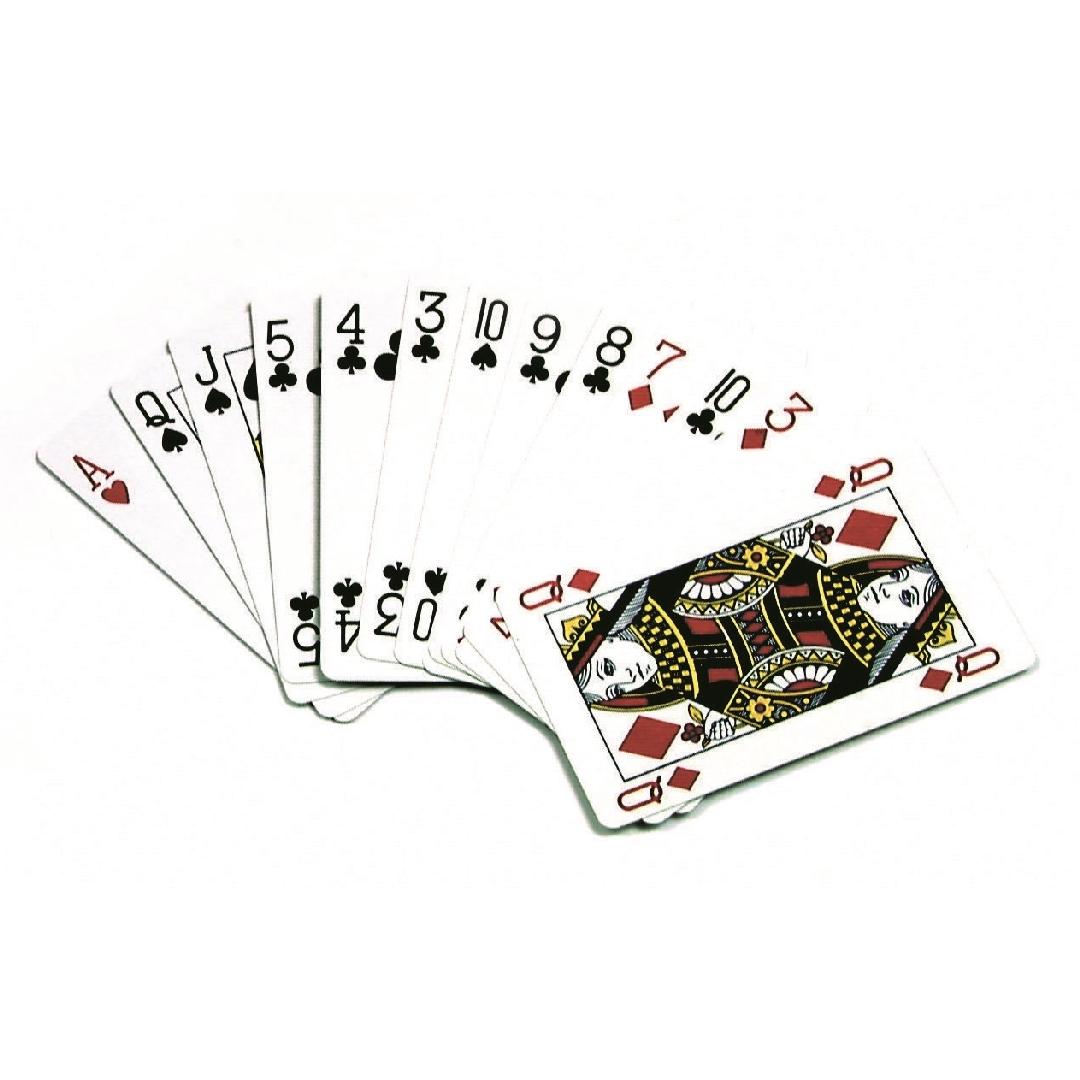
The Standard Playing Cards provide a versatile resource that encourages children to engage in play-based learning. Through traditional card games and adapted activities, children can explore concepts such as number recognition and patterning, fostering their natural curiosity and inquiry skills.
Building language, imagination, and social skills
Playing with cards promotes social interaction as children learn to take turns and communicate during games. This interaction supports the development of language skills and encourages imaginative play, allowing children to create their own games and rules, thereby enhancing their social competencies.
Relevant EYLF Outcomes
Outcome 1: Children have a strong sense of identity.
Outcome 4: Children are confident and involved learners.
Outcome 5: Children are effective communicators.
Classroom, Play Activity & Provocation Ideas
Classroom & Learning Area Ideas
Set up a dedicated card games corner where children can explore different card games, fostering independent play and social interaction.
Incorporate the cards into a numeracy station, allowing children to practice counting and number recognition through various card-based activities.
Play-Based Activity Ideas
Organise a card tournament where children can play in pairs or small groups, promoting turn-taking and cooperation.
Create a memory matching game using the playing cards, encouraging children to enhance their memory skills while having fun.
Use the cards to introduce simple addition and subtraction games, helping children to develop early mathematical concepts.
Provocation Ideas
Present the cards as a resource for storytelling, inviting children to create narratives based on the images or numbers on the cards.
Encourage children to design their own card games, promoting creativity and critical thinking as they develop rules and objectives.