
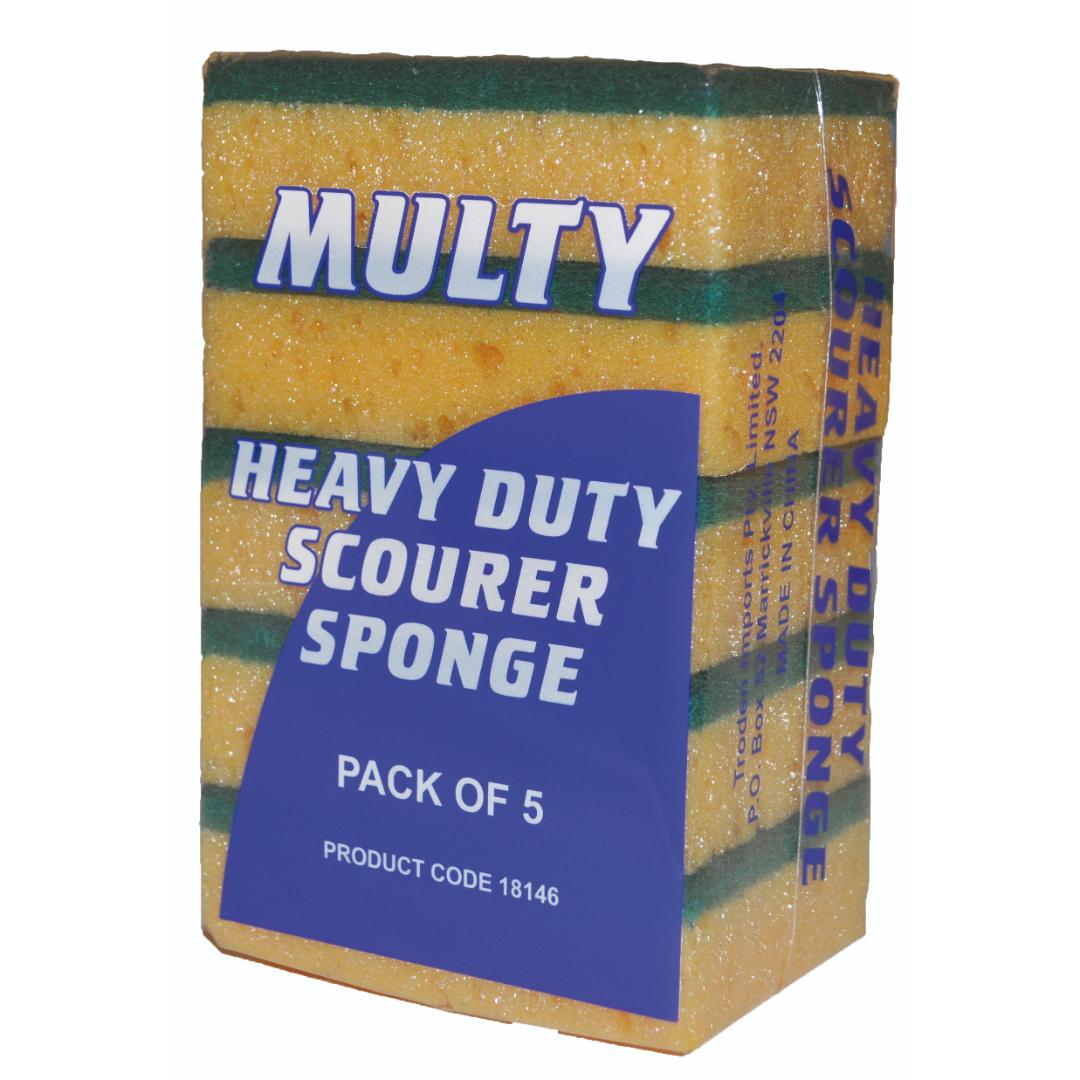
How this product aligns with the EYLF
Encouraging wellbeing, comfort, and independence
The use of scouring sponges in early learning environments can promote children’s understanding of hygiene and cleanliness. By engaging in cleaning activities, children can develop a sense of responsibility and independence as they learn to care for their surroundings, fostering a sense of wellbeing.
Supporting participation in learning environments
Incorporating scouring sponges into group cleaning activities encourages collaboration among children. As they work together to clean spaces, they build social skills and learn the importance of contributing to their community, enhancing their participation in the learning environment.
Relevant EYLF Outcomes
Outcome 1: Children have a strong sense of identity
Outcome 2: Children are connected with and contribute to their world
Outcome 3: Children have a strong sense of wellbeing
Classroom, Play Activity & Provocation Ideas
Classroom & Learning Area Ideas
Introduce scouring sponges in the dramatic play area, allowing children to role-play as cleaners, fostering imaginative play and social interaction.
Set up a cleaning station in the classroom where children can use sponges to clean tables and surfaces, reinforcing routines of care and responsibility.
Play-Based Activity Ideas
Create a ‘cleaning challenge’ where children use scouring sponges to clean designated areas, promoting teamwork and problem-solving skills.
Incorporate sponges into a sensory play activity with water, allowing children to explore textures and practice fine motor skills while cleaning various objects.
Provocation Ideas
Present a messy art project and invite children to use scouring sponges to clean up, encouraging them to reflect on the process of tidying up.
Set up a science exploration where children investigate how different materials respond to cleaning with sponges, promoting inquiry and discovery.