
How this product aligns with the EYLF
Supporting play-based learning and inquiry
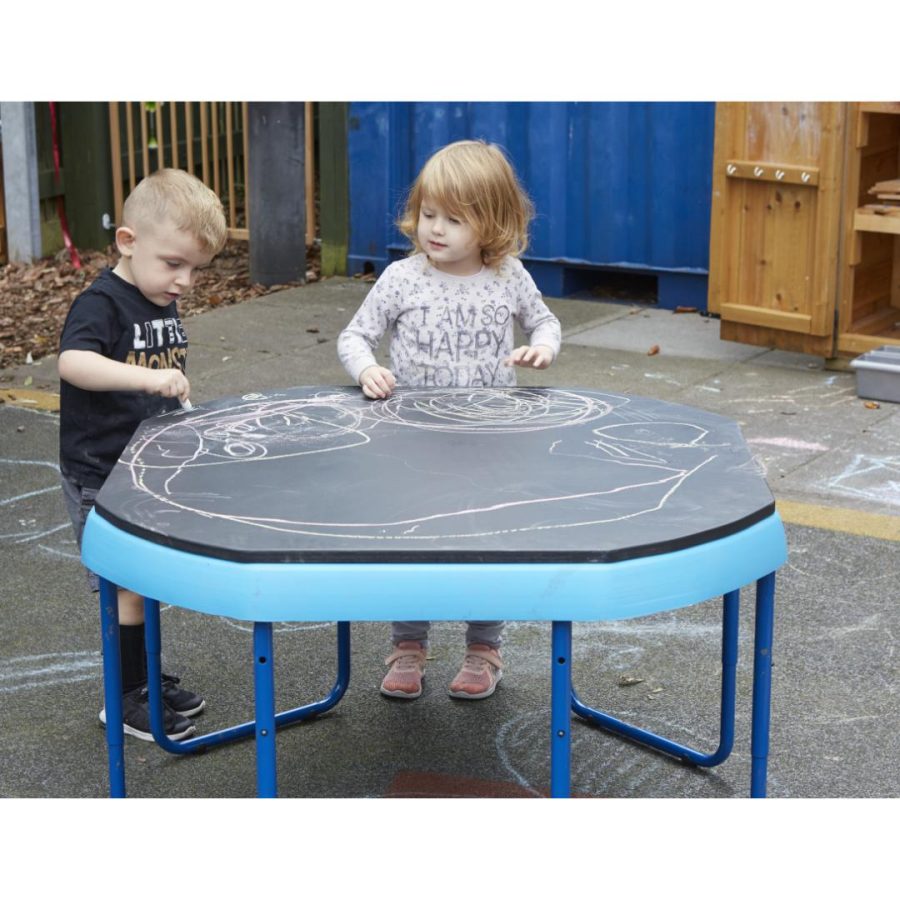
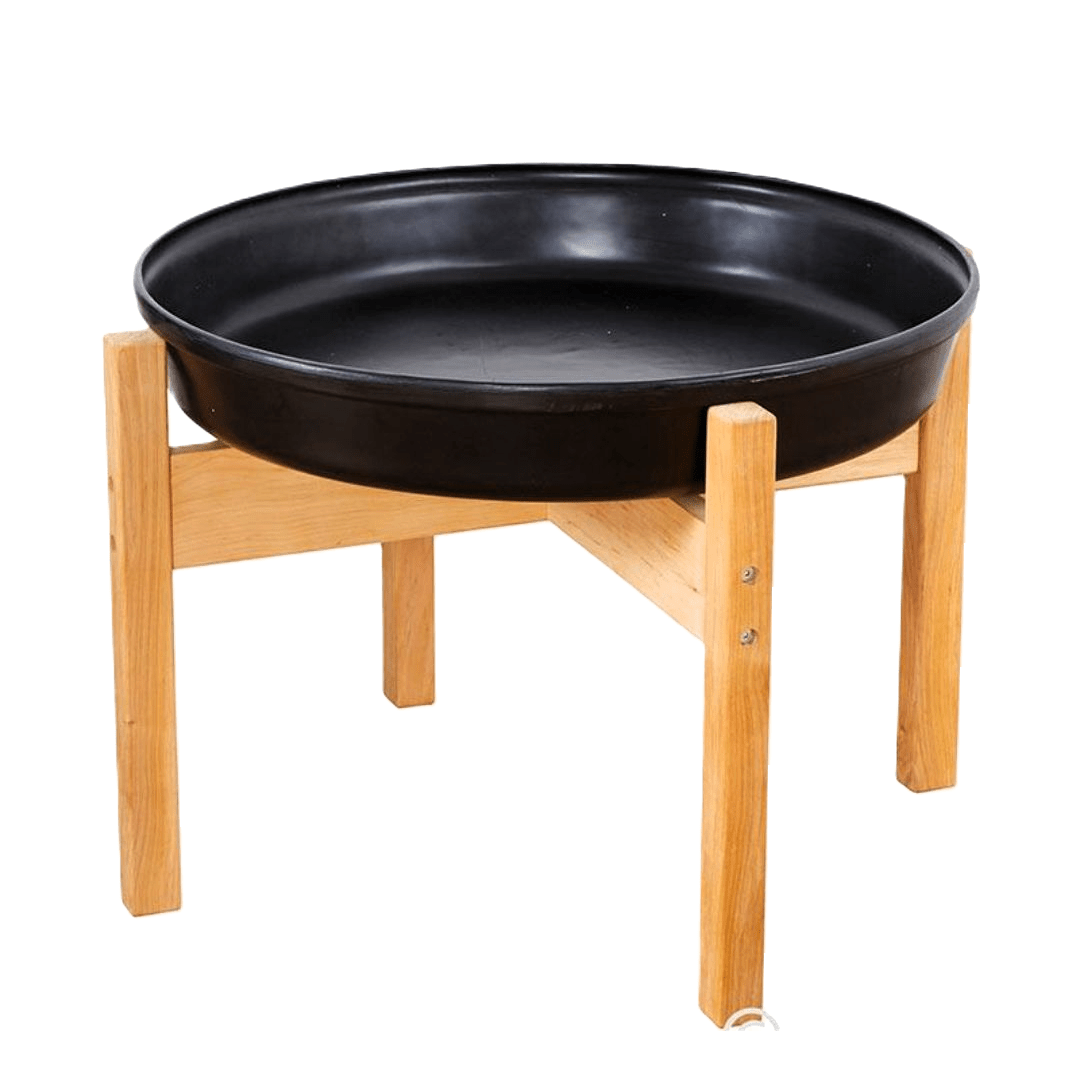
The Natureplay Tuff Spot Tray Black serves as a versatile platform for children to engage in play-based learning. Its design encourages exploration and creativity, allowing children to create small world scenarios, experiment with different materials, and engage in sensory experiences. This open-ended play supports children’s natural curiosity and desire to investigate their environment.
Promoting connection with the natural world
The tray can be filled with natural materials such as sand, water, or leaves, fostering a connection with the outdoors. By using the tray for nature-based play, children can develop an appreciation for the environment and learn about the properties of different materials. This hands-on interaction with nature enhances their understanding of the world around them.
Relevant EYLF Outcomes
Outcome 2: Children are connected with and contribute to their world.
Outcome 4: Children are confident and involved learners.
Classroom, Play Activity & Provocation Ideas
Classroom & Learning Area Ideas
Set up the Tuff Spot Tray in the outdoor area for children to explore natural materials, enhancing their sensory experiences and connection to the environment.
Use the tray indoors for art activities, such as mixing paints or creating sensory bins with various textures.
Play-Based Activity Ideas
Fill the tray with water and natural objects for children to explore floating and sinking concepts, promoting early STEM learning.
Create a small world play scenario using figurines and natural materials in the tray, encouraging imaginative storytelling and role play.
Set up a messy play activity with sand and tools, allowing children to experiment with different textures and develop fine motor skills.
Provocation Ideas
Introduce the tray with a theme, such as “Under the Sea,” and provide related materials for children to create their own underwater worlds.
Encourage children to collect items from nature to place in the tray, prompting discussions about their findings and fostering inquiry-based learning.