
How this product aligns with the EYLF
Supporting play-based learning and inquiry
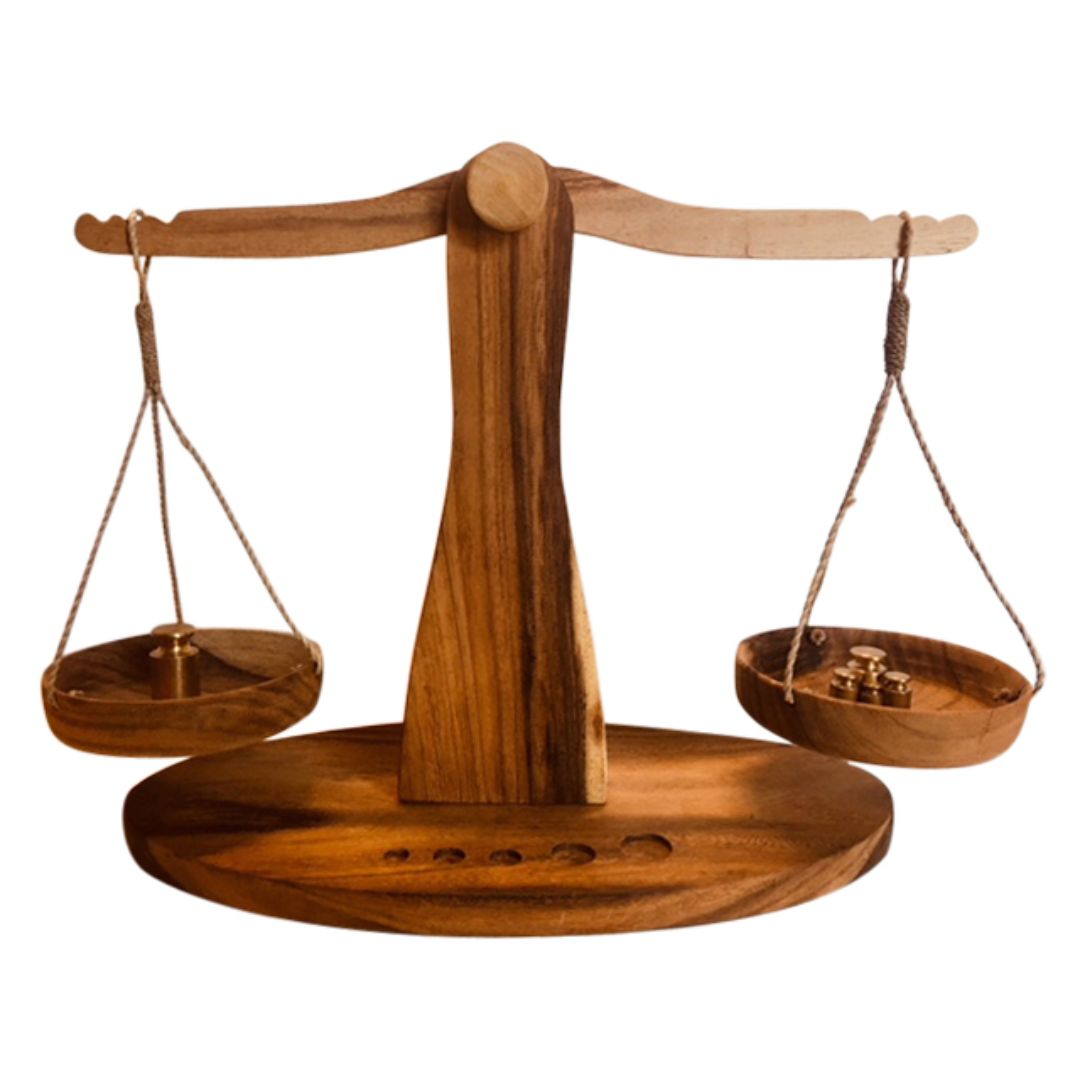
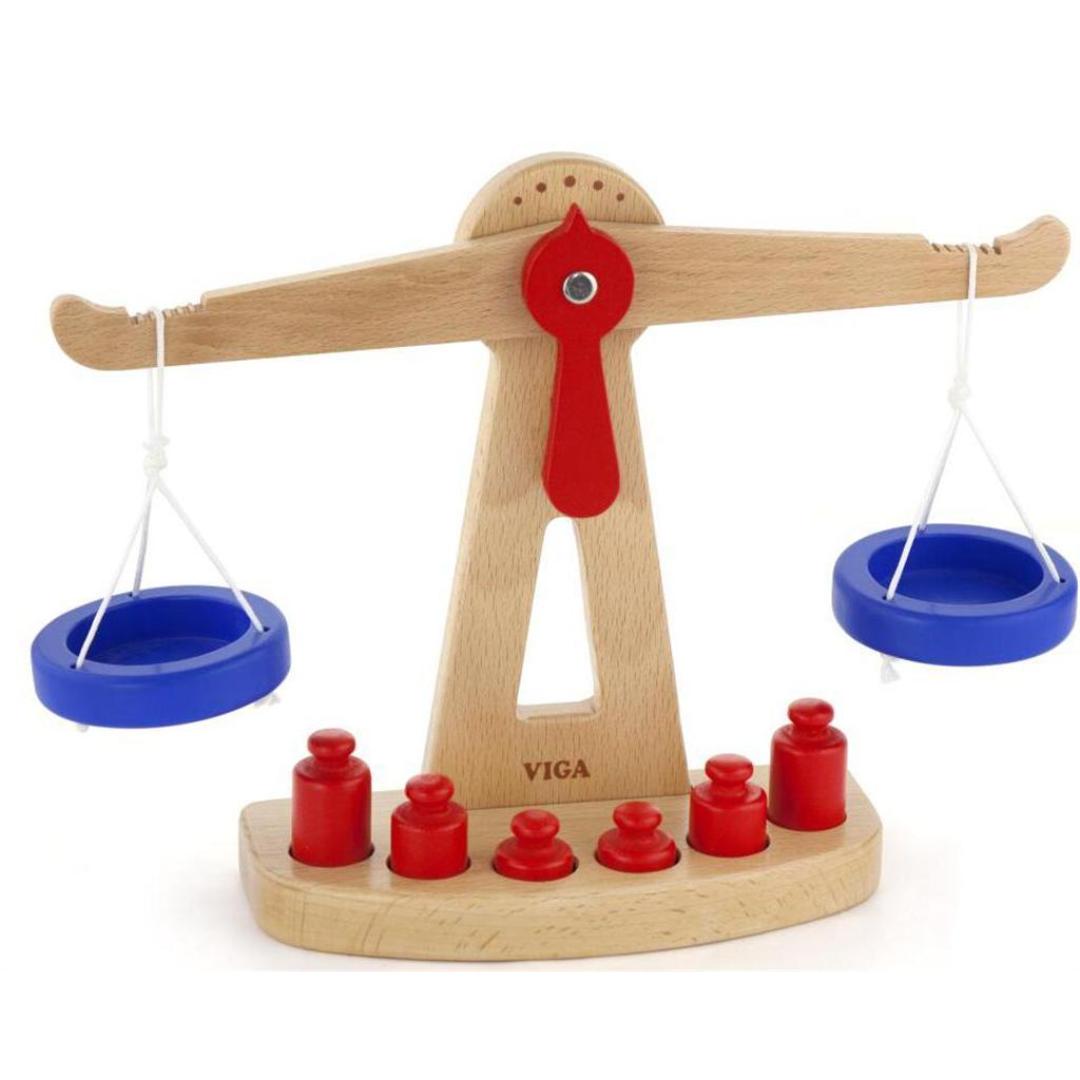
The VIGA Wooden Balance Scales provide children with a hands-on opportunity to explore concepts of weight and measurement through play. As children engage with the scales, they can experiment with balancing different objects, fostering their curiosity and inquiry skills while deepening their understanding of mathematical concepts in a playful context.
Developing early STEM and problem-solving skills
This product encourages children to engage in early STEM learning by allowing them to investigate and compare weights of various items. Through this process, children develop problem-solving skills as they hypothesise which objects will balance and test their ideas, thereby enhancing their critical thinking and reasoning abilities.
Relevant EYLF Outcomes
Outcome 4: Children are confident and involved learners.
Outcome 5: Children are effective communicators.
Classroom, Play Activity & Provocation Ideas
Classroom & Learning Area Ideas
Set up a market role play area where children can use the balance scales to weigh fruits and vegetables, integrating mathematics into their imaginative play.
Incorporate the scales into a science corner, allowing children to explore different materials and their weights, fostering inquiry-based learning.
Play-Based Activity Ideas
Encourage children to gather a variety of objects from around the classroom and predict which will be heavier or lighter before testing their hypotheses on the balance scales.
Create a collaborative challenge where children work in pairs to balance different combinations of items, promoting teamwork and communication skills.
Introduce themed activities, such as weighing ingredients for a pretend cooking experience, to integrate literacy and numeracy in a fun and engaging way.
Provocation Ideas
Present a mystery box filled with various items and invite children to guess their weights before using the balance scales to find out, sparking curiosity and discussion.
Use the scales to create a “weight comparison wall” where children can display their findings and share their observations with peers, enhancing their communication and reflection skills.