
How this product aligns with the EYLF
Supporting play-based learning and inquiry
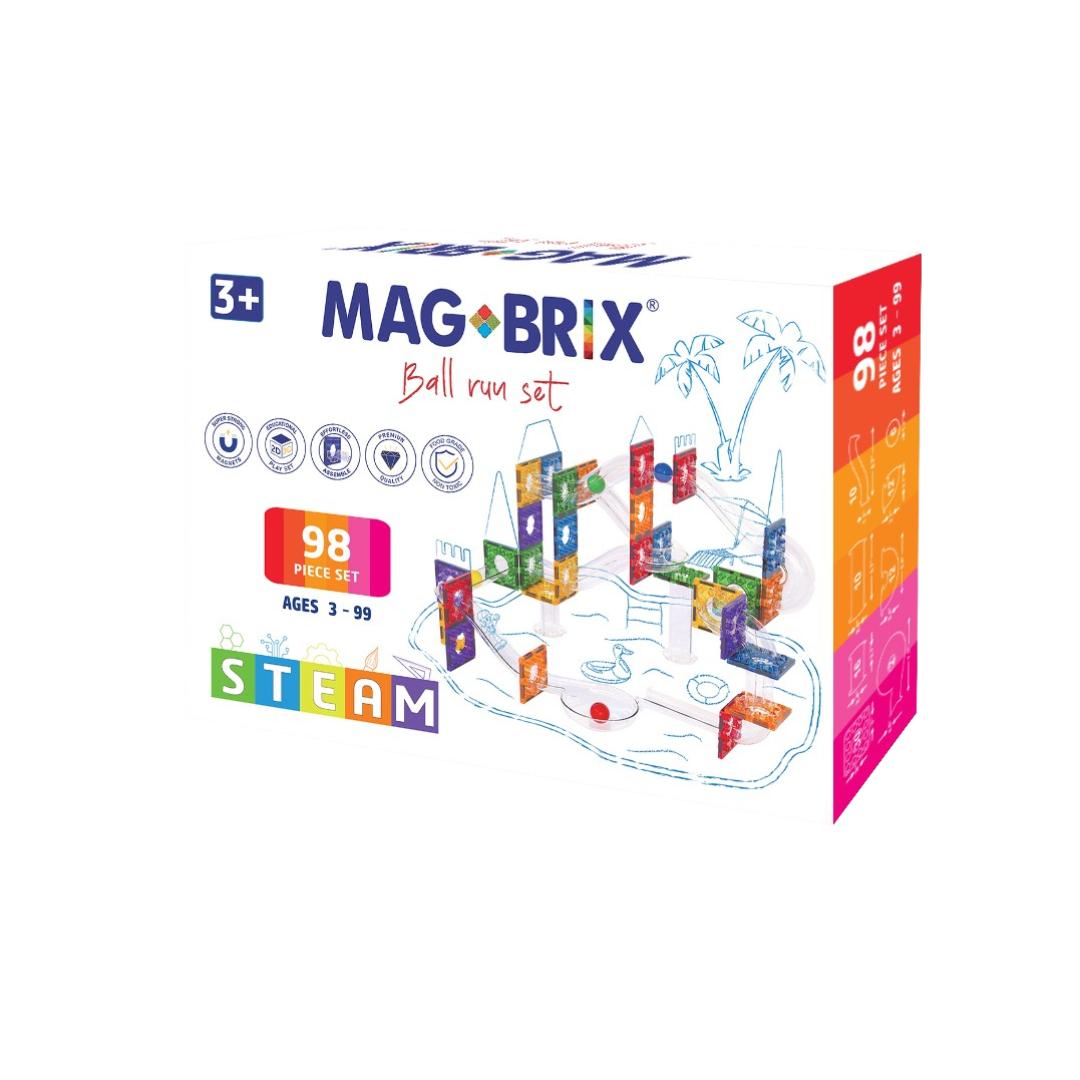
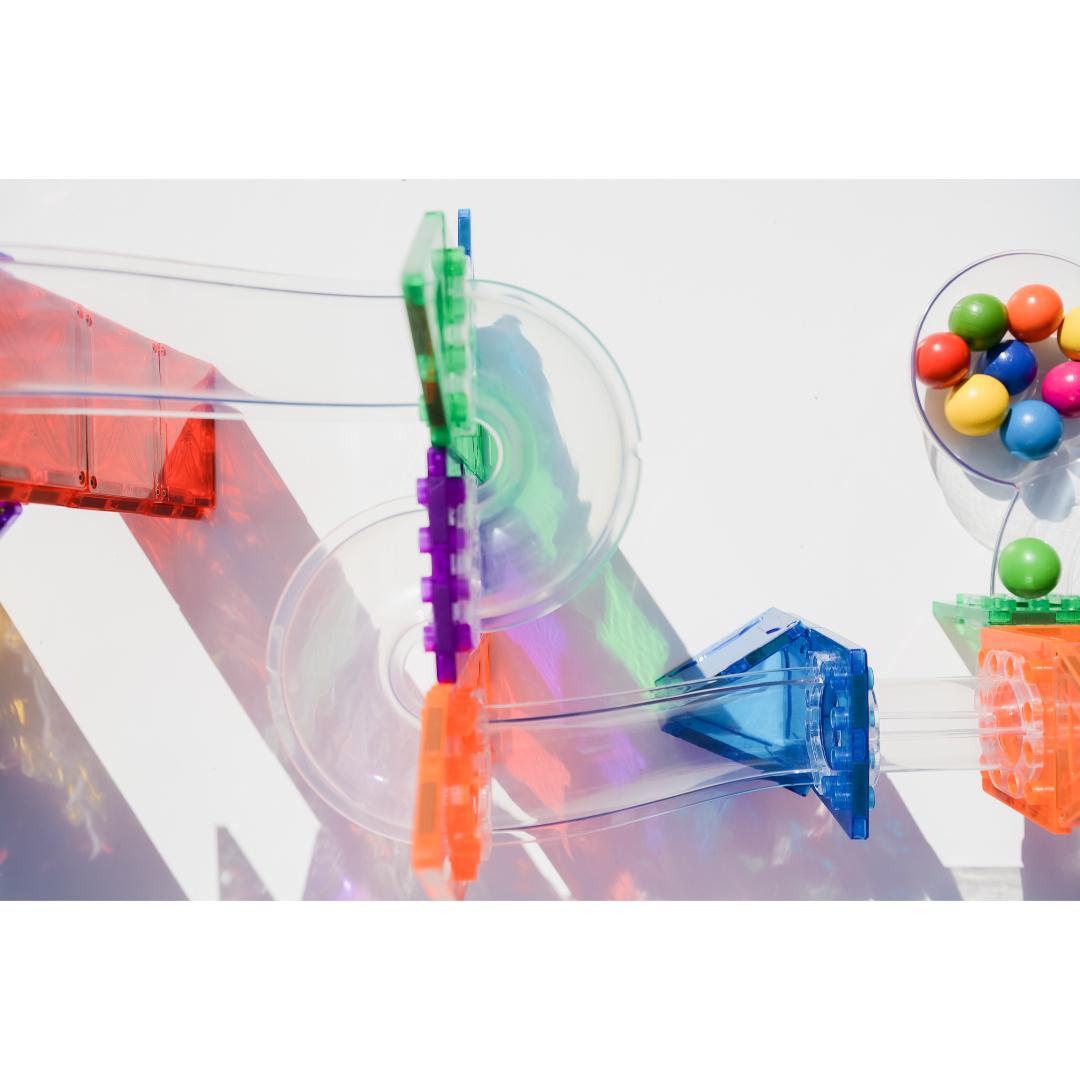
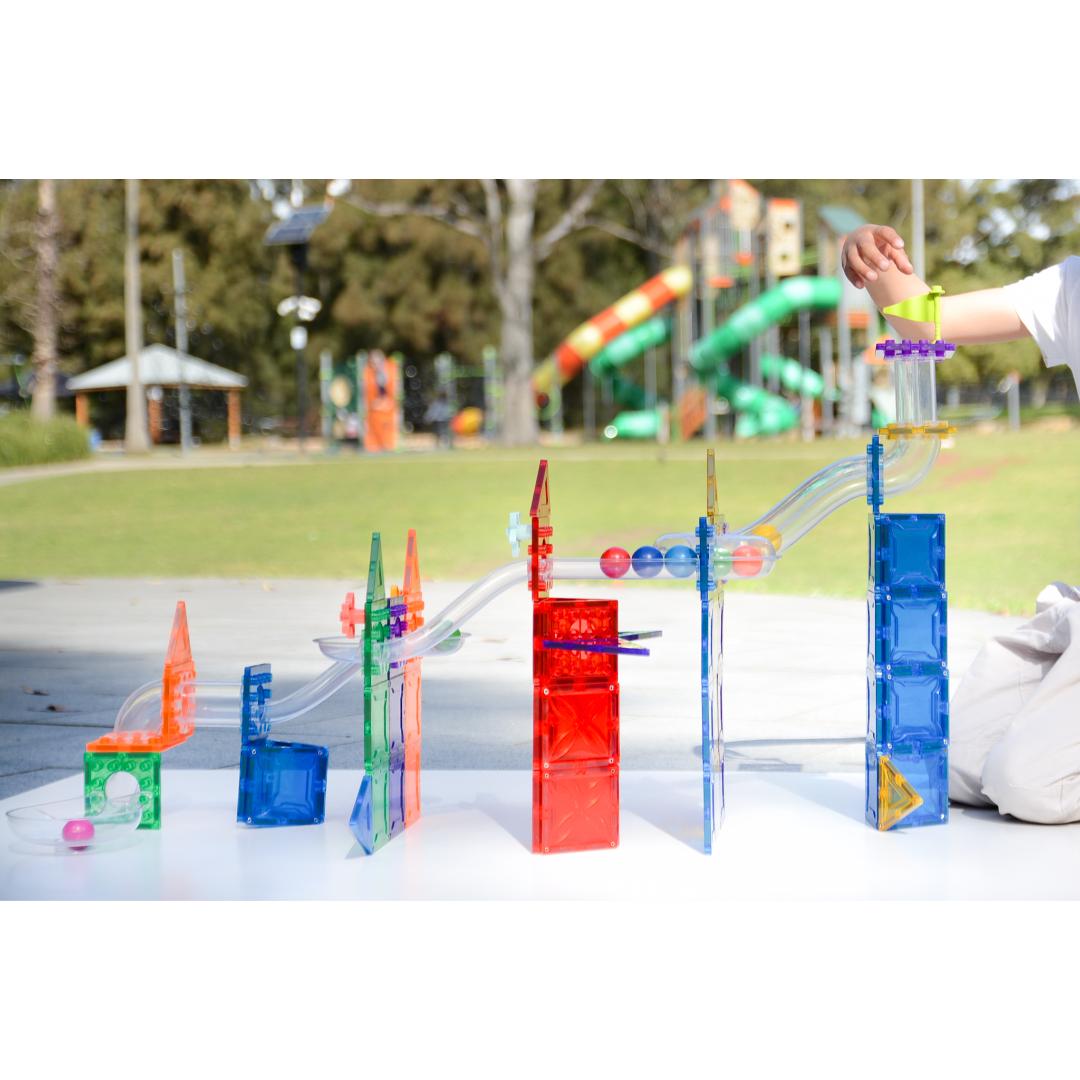
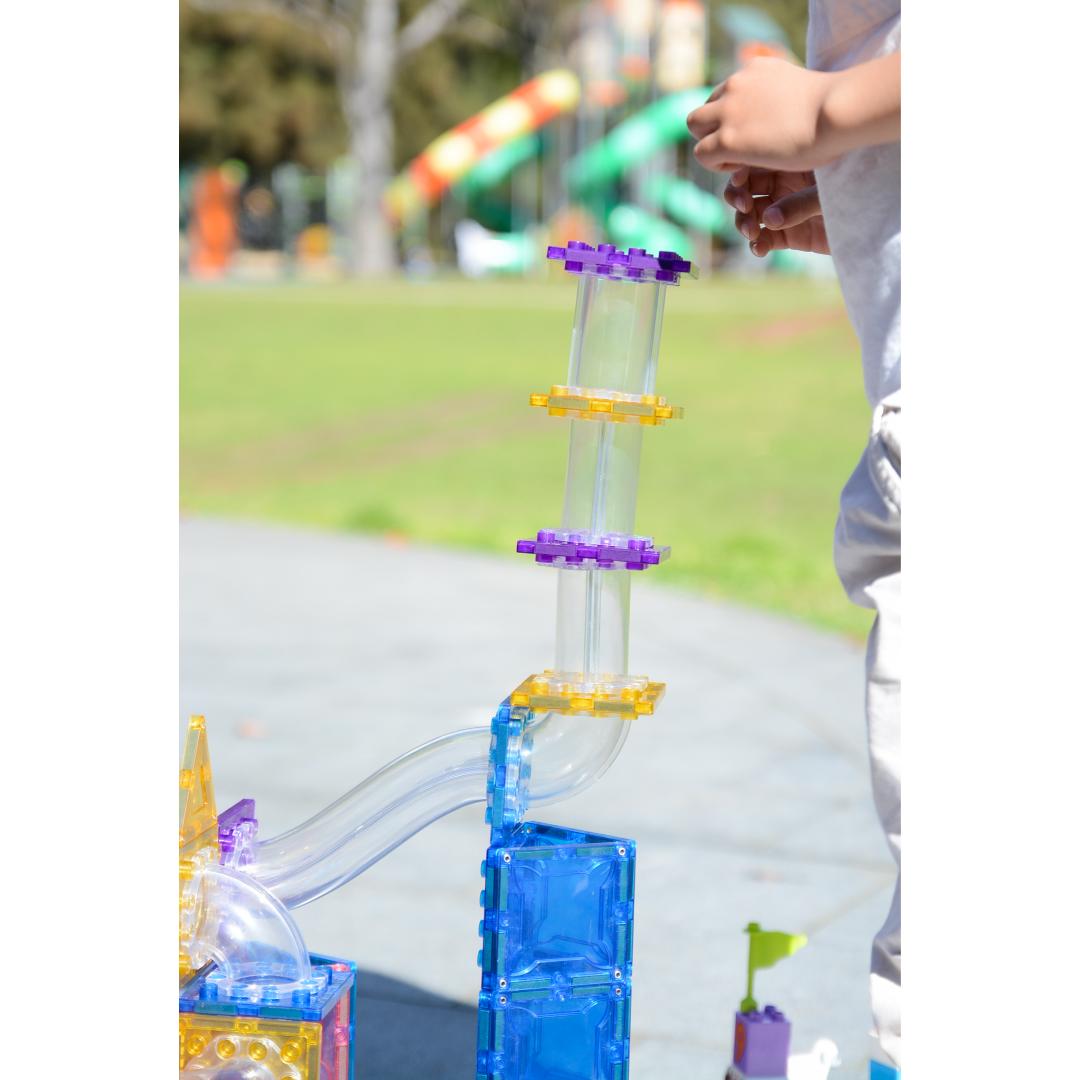
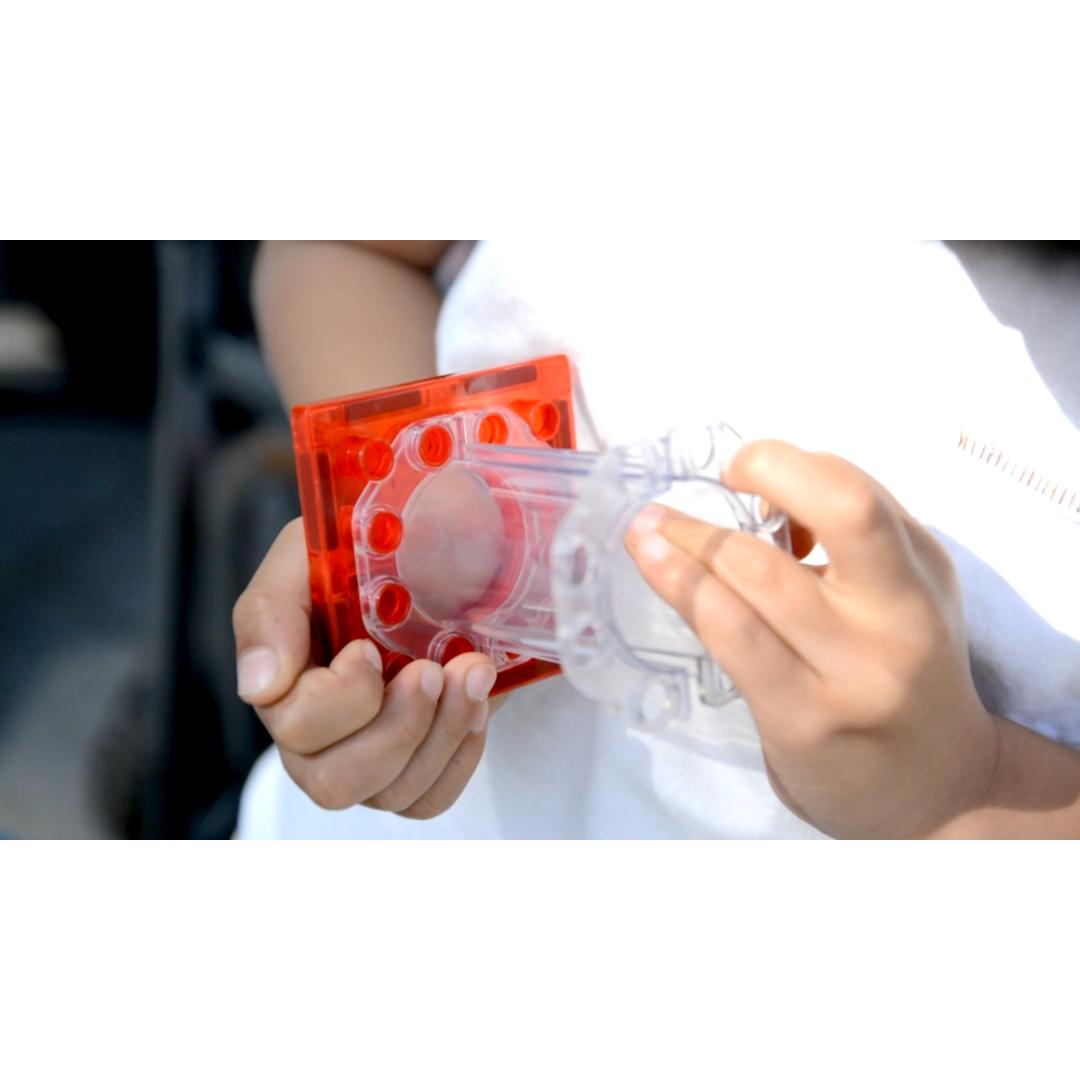
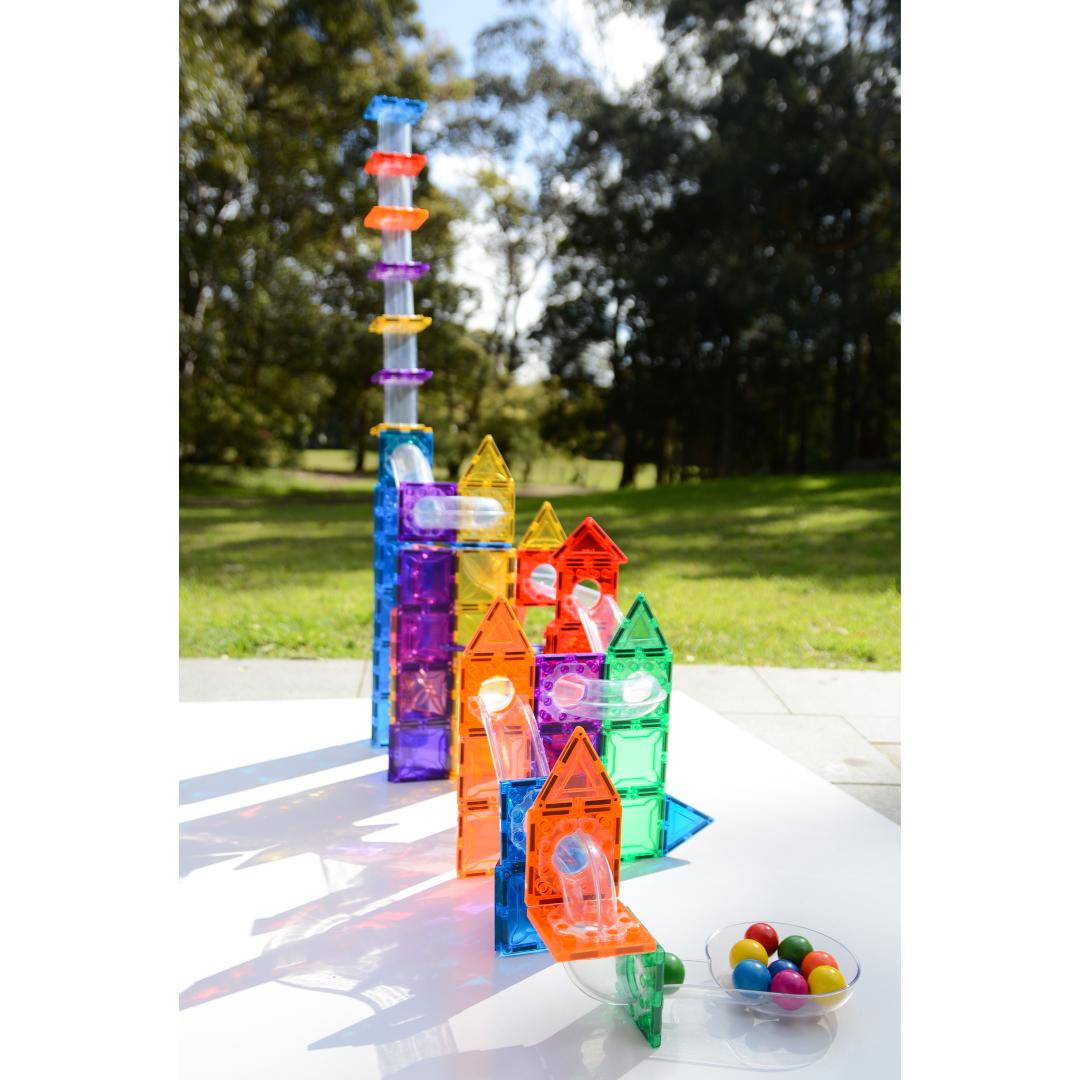
The Magbrix Ball Run Classic encourages children to engage in open-ended play, allowing them to explore concepts of construction and movement through hands-on experiences. As children experiment with building different structures and observing how the balls travel through their creations, they naturally engage in inquiry-based learning, testing their ideas and refining their designs.
Developing early STEM and problem-solving skills
This product provides opportunities for children to develop foundational STEM skills as they learn about balance, gravity, and cause-and-effect relationships. By manipulating the various pieces to create functional ball runs, children enhance their problem-solving abilities and critical thinking skills, fostering a deeper understanding of basic engineering concepts.
Relevant EYLF Outcomes
Outcome 4: Children are confident and involved learners.
Outcome 5: Children are effective communicators.
Classroom, Play Activity & Provocation Ideas
Classroom & Learning Area Ideas
Set up a designated building area where children can freely explore the Magbrix Ball Run, encouraging collaborative play and sharing of ideas.
Integrate the Magbrix set into a STEM corner, providing children with additional resources such as measuring tools and ramps to enhance their building experiences.
Play-Based Activity Ideas
Encourage children to create a themed ball run, such as a racecourse or a rollercoaster, to inspire imaginative play and storytelling.
Challenge children to build a ball run with specific criteria, such as including a certain number of bends or slopes, promoting problem-solving and critical thinking.
Facilitate a group activity where children work together to design and test their ball runs, discussing what works well and what could be improved.
Provocation Ideas
Introduce the concept of speed and distance by having children predict which ball will travel the farthest down their ball run and then test their hypotheses.
Provide a variety of balls with different weights and sizes, inviting children to experiment with how these changes affect the movement through their constructed runs.