How this product aligns with the EYLF
Supporting play-based learning and inquiry
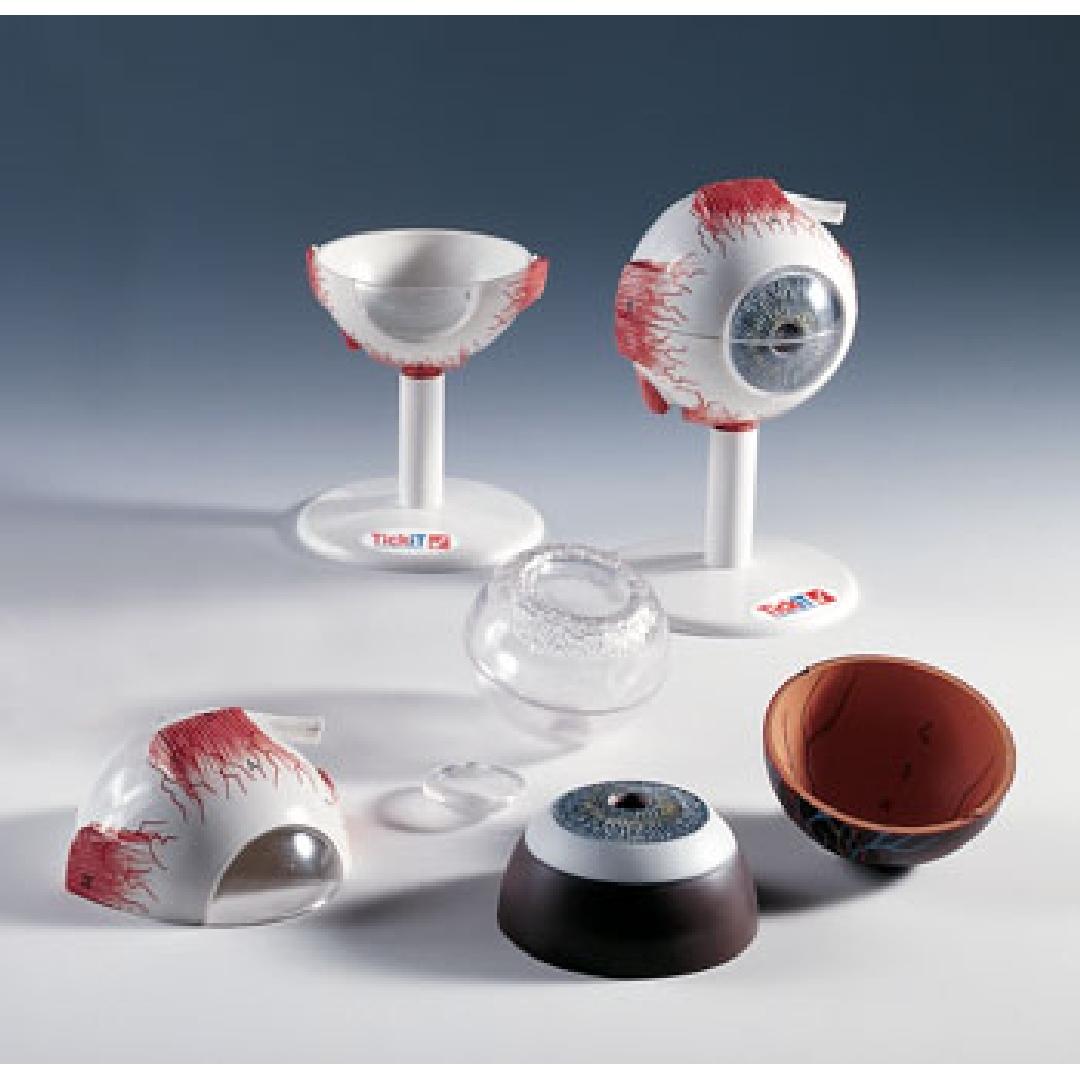
The Human Eye Model serves as a tangible resource for children to explore the anatomy of the human eye, fostering curiosity and inquiry. Through hands-on interaction, children can dissect the model, which encourages them to ask questions and investigate how the eye functions, thus deepening their understanding of the human body.
Developing early STEM and problem-solving skills
This product provides an opportunity for children to engage in scientific exploration and problem-solving as they manipulate the model’s components. By examining the parts of the eye and discussing their functions, children can develop foundational STEM skills, including observation, classification, and critical thinking.
Relevant EYLF Outcomes
Outcome 2: Children are connected with and contribute to their world.
Outcome 4: Children are confident and involved learners.
Outcome 5: Children are effective communicators.
Classroom, Play Activity & Provocation Ideas
Classroom & Learning Area Ideas
Set up a science corner featuring the Human Eye Model alongside books and visuals about the human body to encourage independent exploration.
Create a display that invites children to label the parts of the eye using the photocopiable key, promoting literacy and understanding of scientific terminology.
Play-Based Activity Ideas
Encourage children to work in pairs to take turns dissecting the eye model and explaining what they find, fostering collaboration and communication skills.
Organise a role-play activity where children can act as scientists, using the eye model to demonstrate their understanding to peers, enhancing their presentation skills.
Provocation Ideas
Introduce the eye model during a discussion about the senses, prompting children to explore how vision works and relate it to their own experiences.
Invite children to create their own eye models using craft materials, allowing them to express their understanding creatively while reinforcing their learning about the human body.