How this product aligns with the EYLF
Supporting play-based learning and inquiry
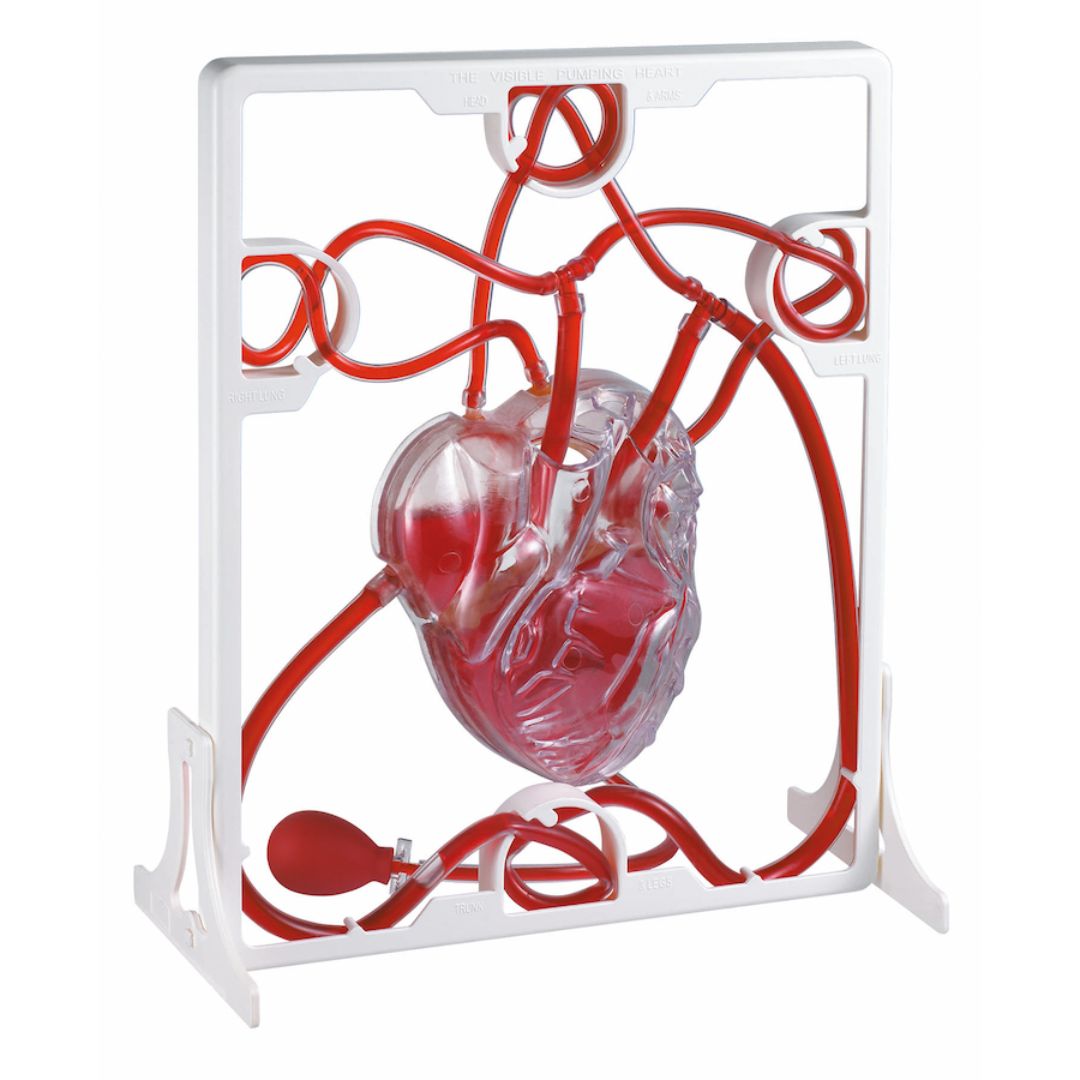
The Pumping Heart Model encourages children to engage in hands-on exploration of the human body, fostering curiosity and inquiry. As children manipulate the hand pump to simulate blood flow, they are invited to ask questions and investigate the functions of the heart and circulatory system, promoting a deeper understanding of biological processes through play.
Developing early STEM and problem-solving skills
This resource supports the development of early STEM skills by allowing children to observe and experiment with concepts of movement and flow. As they engage with the model, children can discuss and hypothesise about how the heart works, enhancing their problem-solving abilities and critical thinking as they connect their observations to real-world functions.
Relevant EYLF Outcomes
Outcome 2: Children are connected with and contribute to their world.
Outcome 4: Children are confident and involved learners.
Outcome 5: Children are effective communicators.
Classroom, Play Activity & Provocation Ideas
Classroom & Learning Area Ideas
Set up a science corner where children can explore the Pumping Heart Model alongside books and images of the human body, encouraging independent research and discussion.
Create a display that includes the Pumping Heart Model and other resources related to the human body, prompting children to share their knowledge and questions during group discussions.
Play-Based Activity Ideas
Encourage children to role-play as doctors or scientists using the Pumping Heart Model, allowing them to explain how the heart works to their peers.
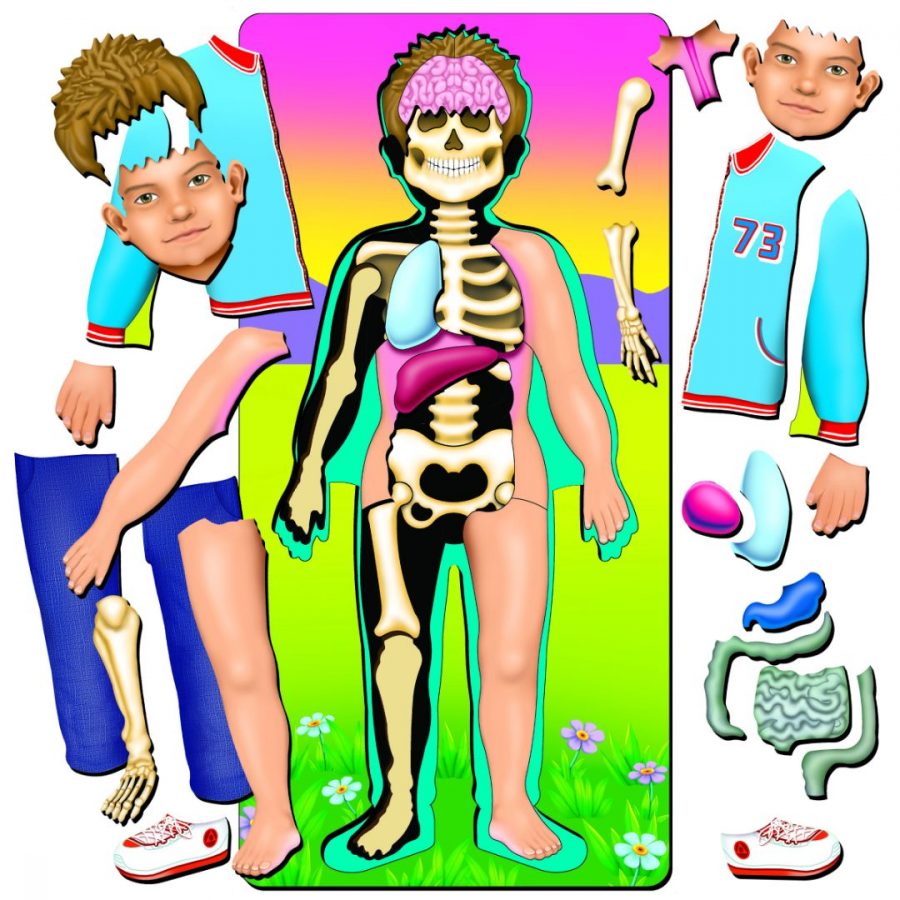
Organise a group activity where children can work together to build a larger model of the human body, using the Pumping Heart Model to demonstrate the heart’s function in relation to other organs.
Provocation Ideas
Introduce the Pumping Heart Model during a discussion about health and the human body, prompting children to explore how lifestyle choices affect heart health.
Use the model to inspire a creative storytelling session where children can narrate a journey through the body, describing the path of blood as it circulates.