How this product aligns with the EYLF
Supporting creativity and self-expression
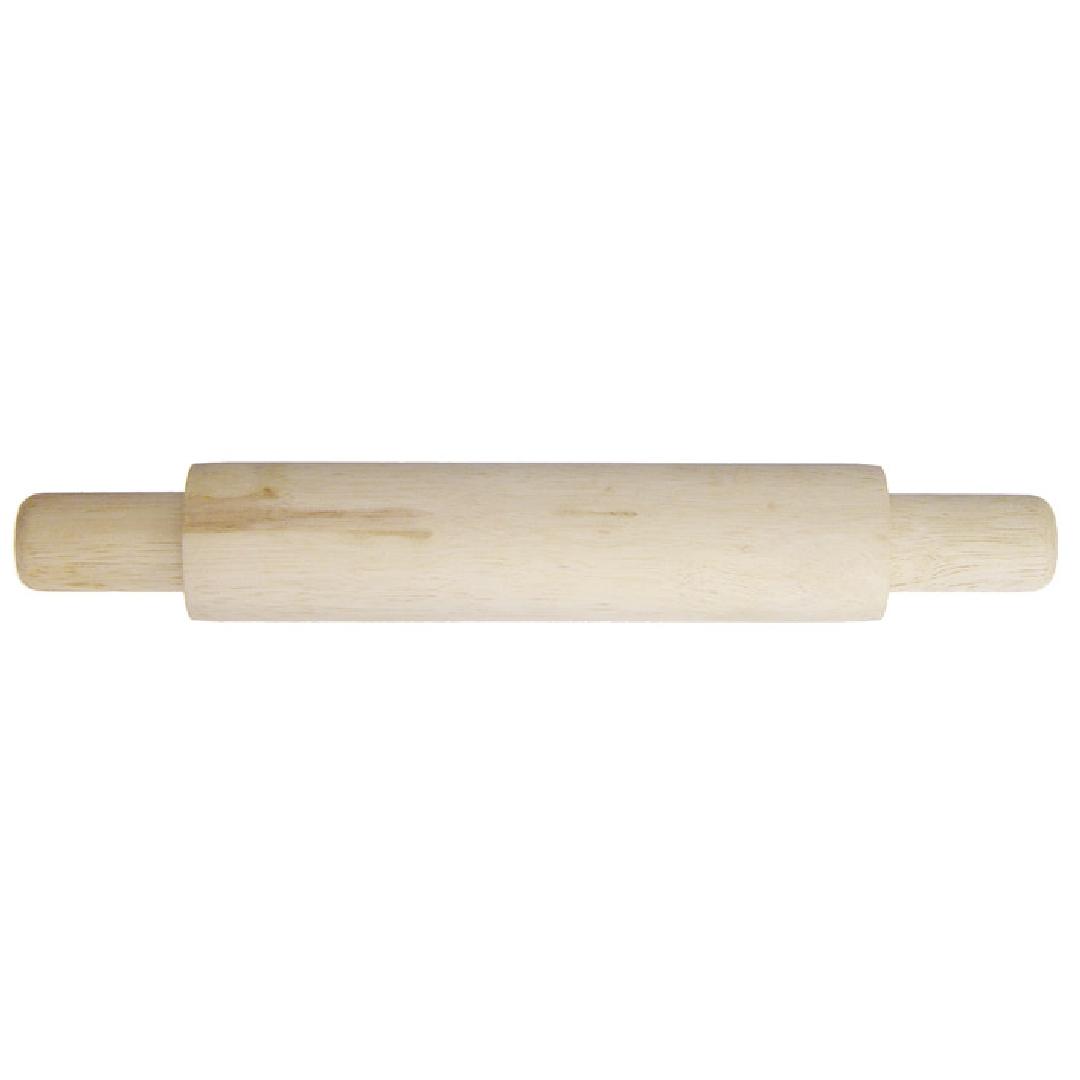
The wooden rolling pin serves as a versatile tool that encourages children to explore their creativity through various mediums such as dough, plasticine, and clay. As children manipulate these materials, they express their ideas and emotions, fostering a sense of ownership over their creative processes.
Supporting play-based learning and inquiry
This product naturally invites children to engage in play-based learning by experimenting with textures and shapes. As they roll out different materials, children can investigate concepts such as size, form, and balance, enhancing their inquiry skills in a hands-on manner.
Relevant EYLF Outcomes
Outcome 1: Children have a strong sense of identity
Outcome 4: Children are confident and involved learners
Outcome 5: Children are effective communicators
Classroom, Play Activity & Provocation Ideas
Classroom & Learning Area Ideas
Set up a creative arts station where children can use the rolling pin with various modelling materials to create their own sculptures or designs. Incorporate a sensory table with different textures for children to explore while using the rolling pin.
Play-Based Activity Ideas
Encourage children to create their own playdough recipes, using the rolling pin to roll out their dough creations. Organise a collaborative art project where children work together to roll and shape clay, fostering teamwork and communication.
Provocation Ideas
Introduce a themed activity where children can use the rolling pin to create flat shapes representing different animals or objects, sparking discussions about their creations. Provide a variety of natural materials alongside the rolling pin, inviting children to explore and incorporate these into their modelling activities.