How this product aligns with the EYLF
Supporting play-based learning and inquiry
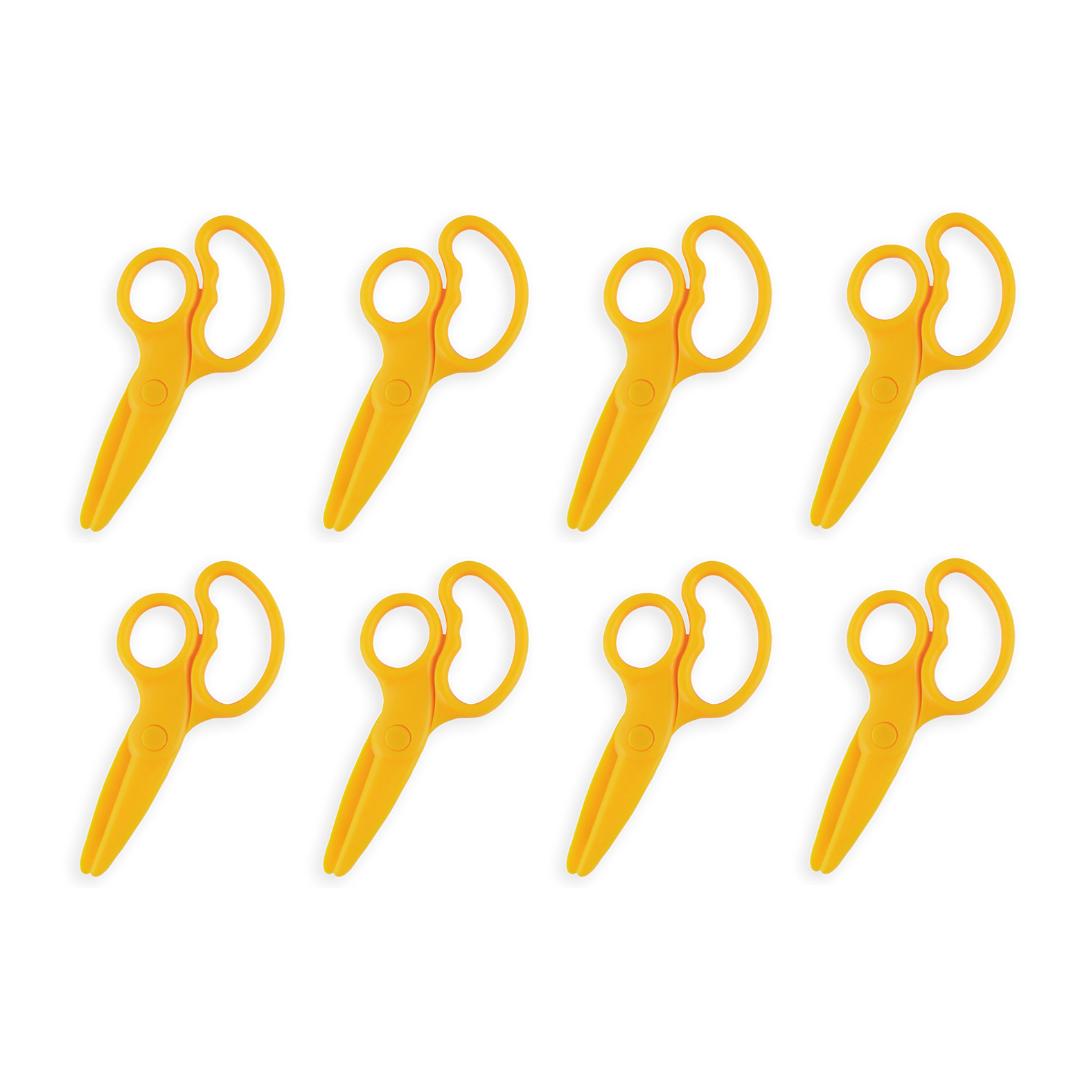
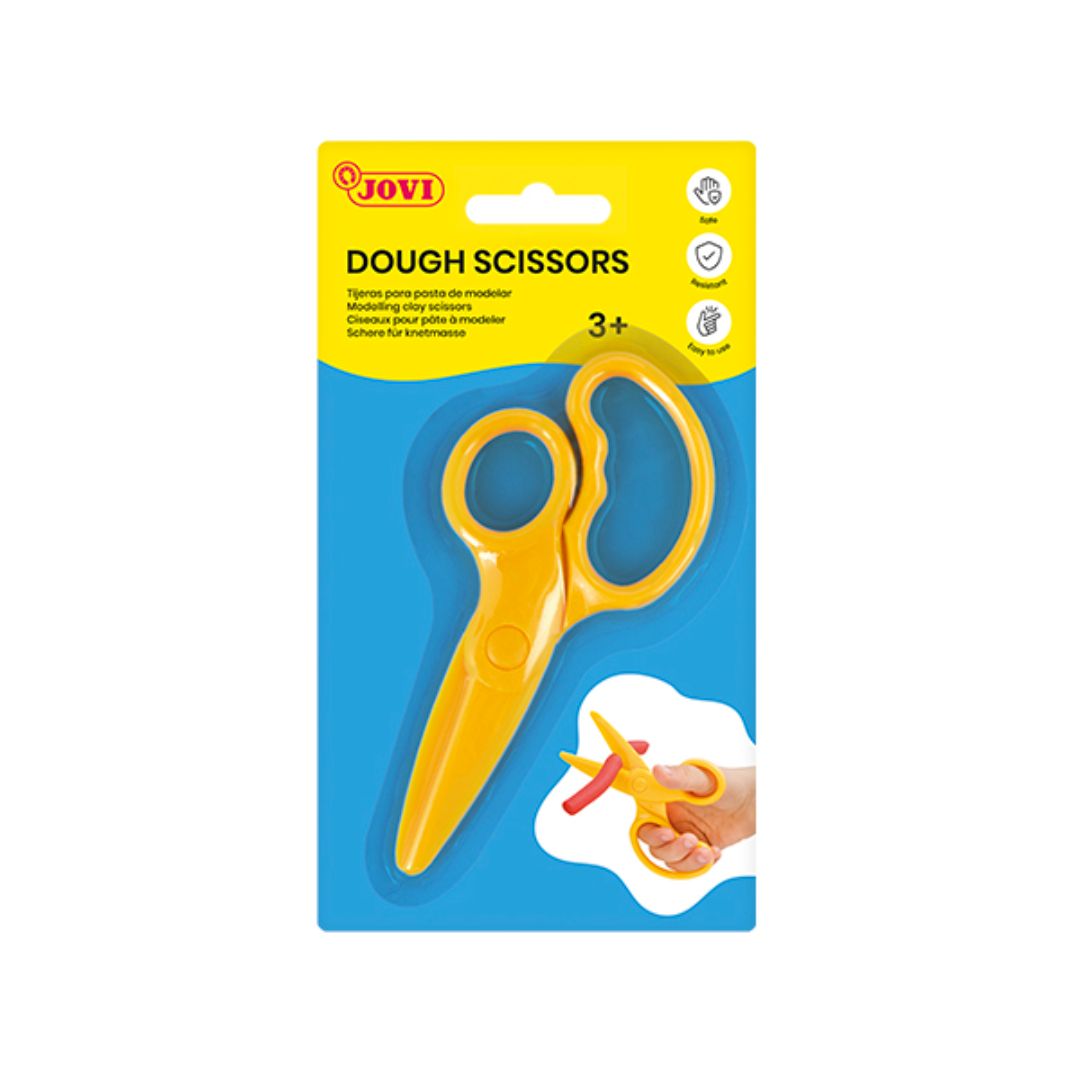
The Dough Scissors encourage children to engage in play-based learning by providing a hands-on tool that promotes exploration and creativity. As children use the scissors to cut modelling dough and paper, they are able to experiment with different textures and shapes, fostering their natural curiosity and inquiry skills.
Supporting creativity and self-expression
This product allows children to express their creativity through various art and craft activities. By using the Dough Scissors to manipulate materials, children can create unique designs and structures, enhancing their imaginative play and supporting their ability to communicate ideas visually.
Relevant EYLF Outcomes
Outcome 1: Children have a strong sense of identity
Outcome 2: Children are connected with and contribute to their world
Outcome 4: Children are confident and involved learners
Classroom, Play Activity & Provocation Ideas
Classroom & Learning Area Ideas
Set up a dedicated art and craft station where children can freely access the Dough Scissors alongside modelling dough and paper, encouraging independent exploration.
Incorporate the scissors into a sensory play area, allowing children to use them with various materials such as fabric scraps or natural elements to enhance their tactile experiences.
Play-Based Activity Ideas
Organise a group activity where children collaboratively create a large mural using cut-out shapes from paper and modelling dough, fostering teamwork and communication.
Encourage children to create their own story characters by cutting out shapes from modelling dough, promoting narrative development and imaginative play.
Facilitate a cutting challenge where children can practice their scissor skills by creating specific shapes or patterns, supporting fine motor development.
Provocation Ideas
Introduce a themed activity where children can use the Dough Scissors to create decorations for a classroom display, linking their creative work to a broader context.
Present a variety of materials and invite children to explore how different items can be cut and combined, prompting discussions about texture, colour, and form in their creations.