

How this product aligns with the EYLF
Supporting play-based learning and inquiry
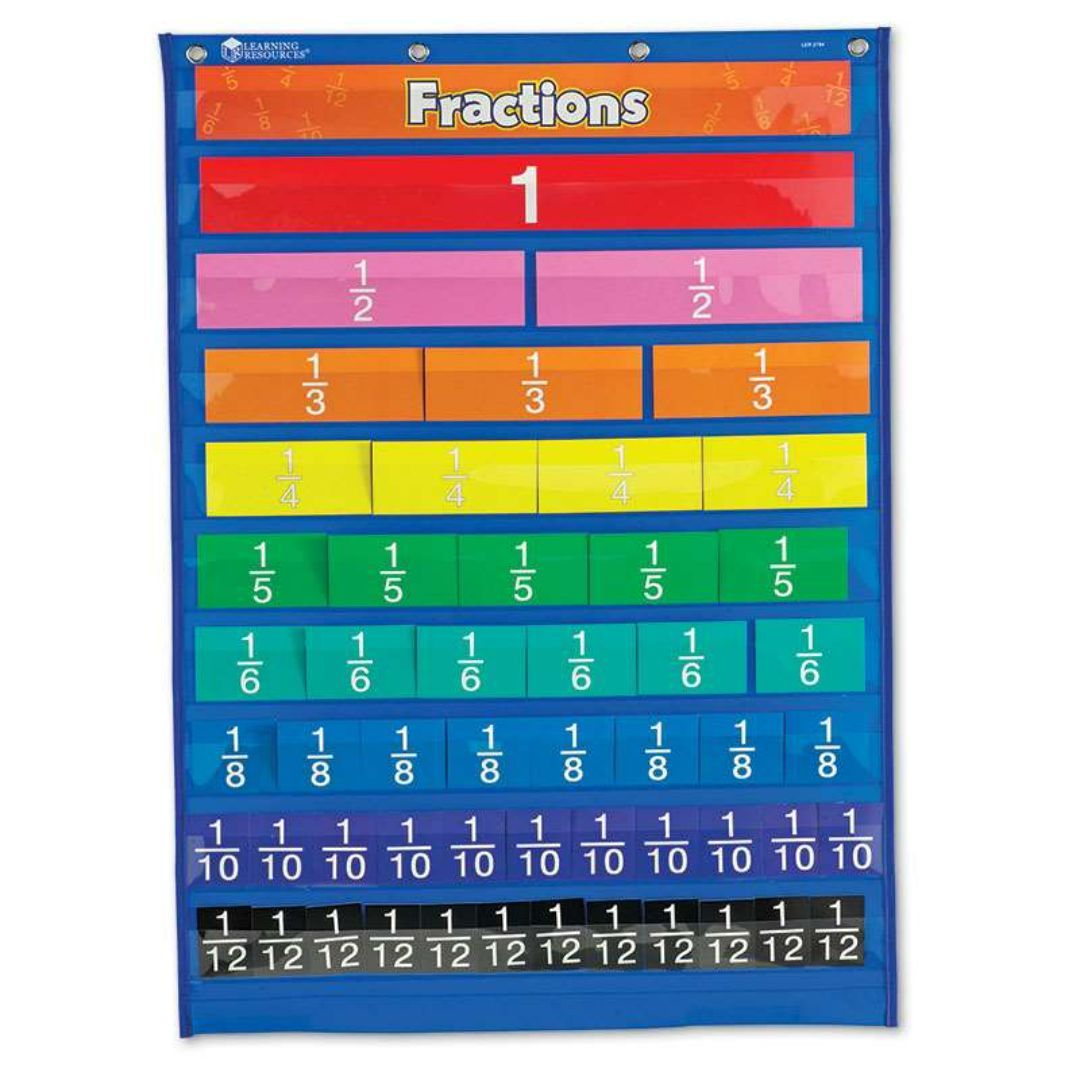
The Equivalency Pocket Chart provides a visual and interactive resource that encourages children to explore mathematical concepts through play. By matching colour-coded cards that represent equivalent values, children can engage in hands-on learning, fostering their curiosity and inquiry skills as they discover relationships between numbers and their representations.
Developing early STEM and problem-solving skills
This product supports the development of early STEM skills by allowing children to experiment with number relationships and equivalencies. As they manipulate the cards to find matches, children enhance their problem-solving abilities and develop a foundational understanding of mathematical concepts, which are essential for their ongoing learning in STEM fields.
Relevant EYLF Outcomes
Outcome 4: Children are confident and involved learners
Outcome 5: Children are effective communicators
Classroom, Play Activity & Provocation Ideas
Classroom & Learning Area Ideas
Set up a dedicated maths corner where the Equivalency Pocket Chart is displayed, allowing children to independently explore number relationships during free play.
Incorporate the pocket chart into group activities where children can collaboratively match cards, promoting social interaction and shared learning experiences.
Play-Based Activity Ideas
Encourage children to create their own number games using the cards, such as a matching game or a number scavenger hunt, to reinforce their understanding of equivalencies.
Use the cards in storytelling sessions, where children can represent numbers from stories with the corresponding cards, linking literacy and numeracy in a playful context.
Provocation Ideas
Present a challenge where children must find all the equivalent values for a given number, prompting critical thinking and discussion about their strategies.
Invite children to create patterns or sequences using the cards, encouraging creativity while reinforcing their understanding of numerical relationships.