
How this product aligns with the EYLF
Supporting play-based learning and inquiry
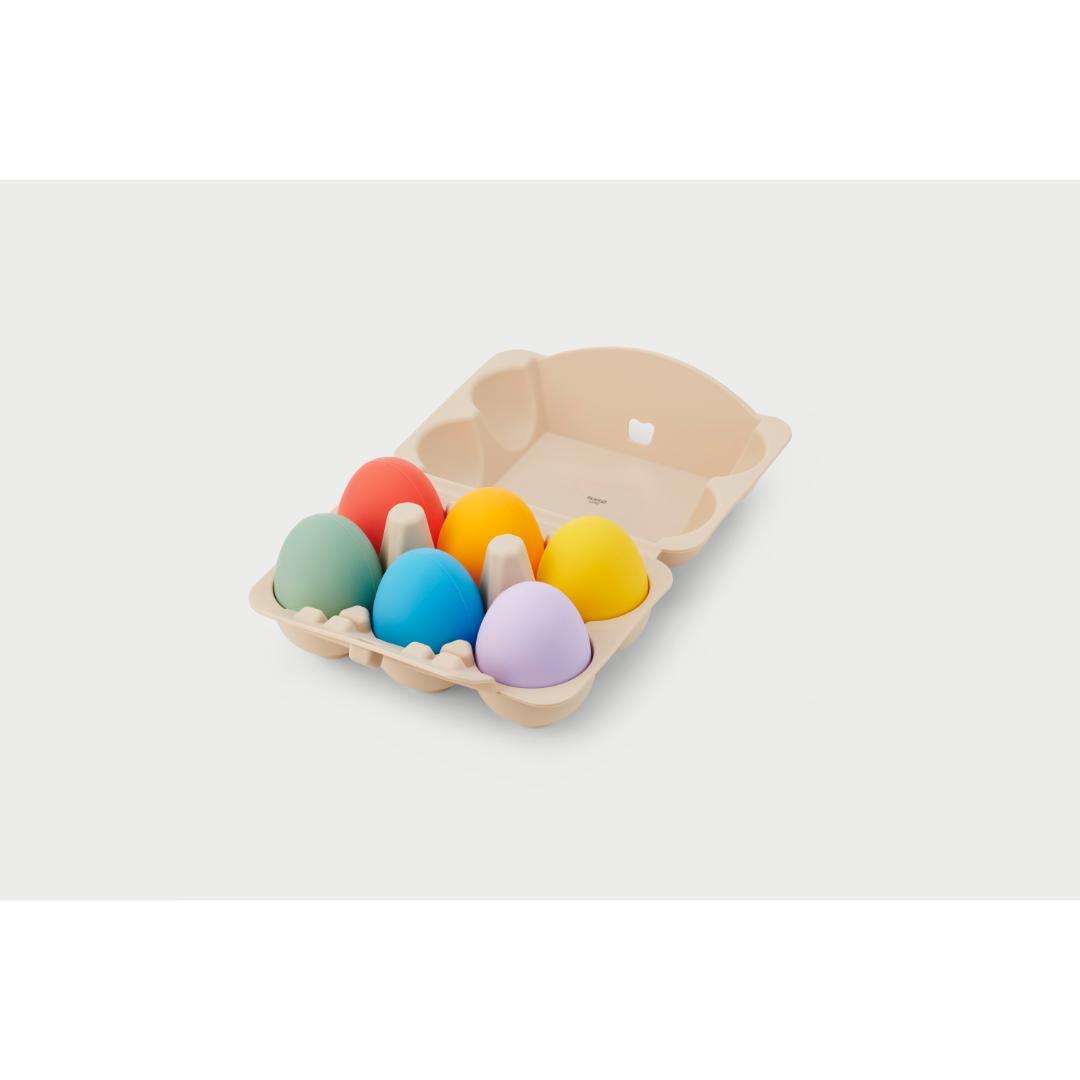
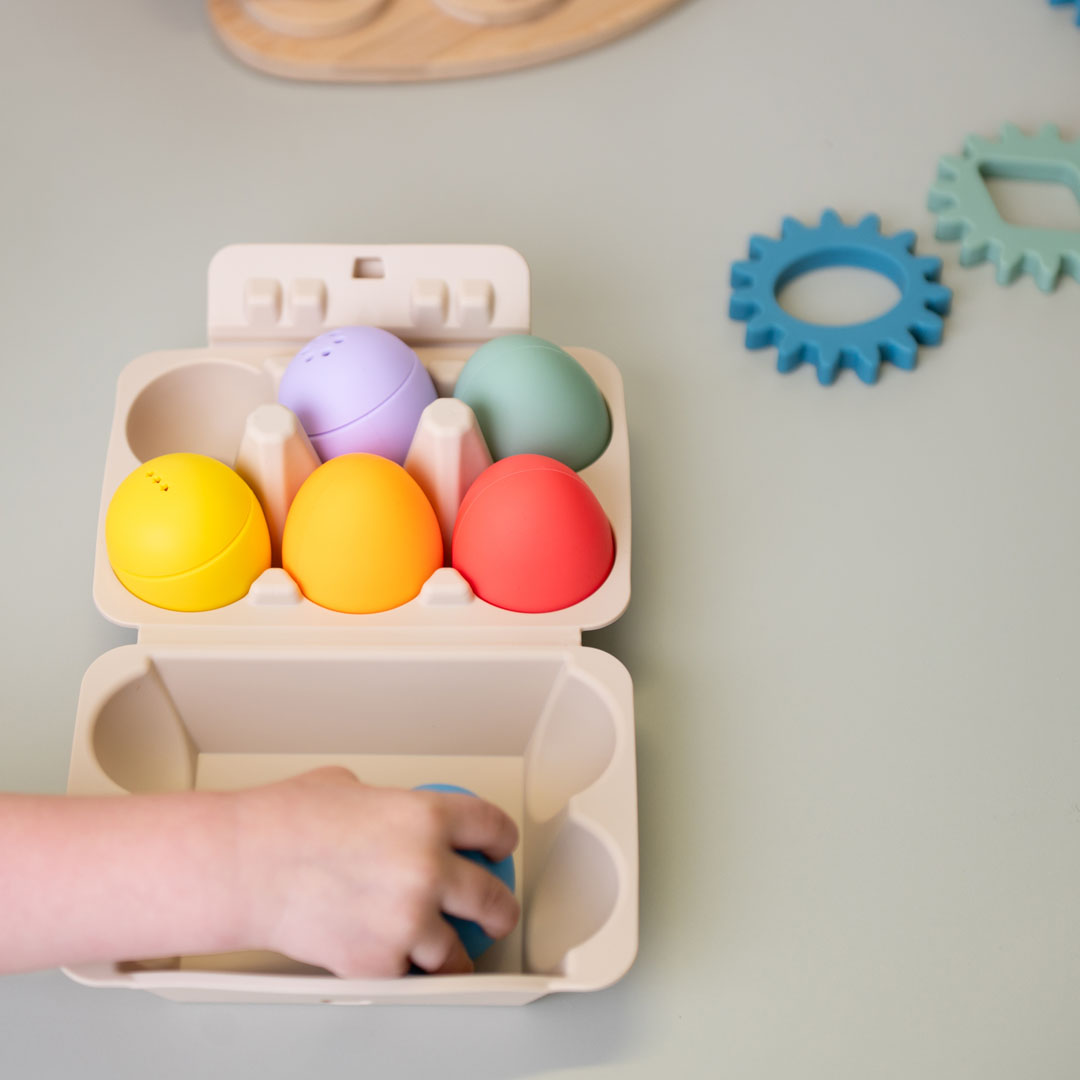
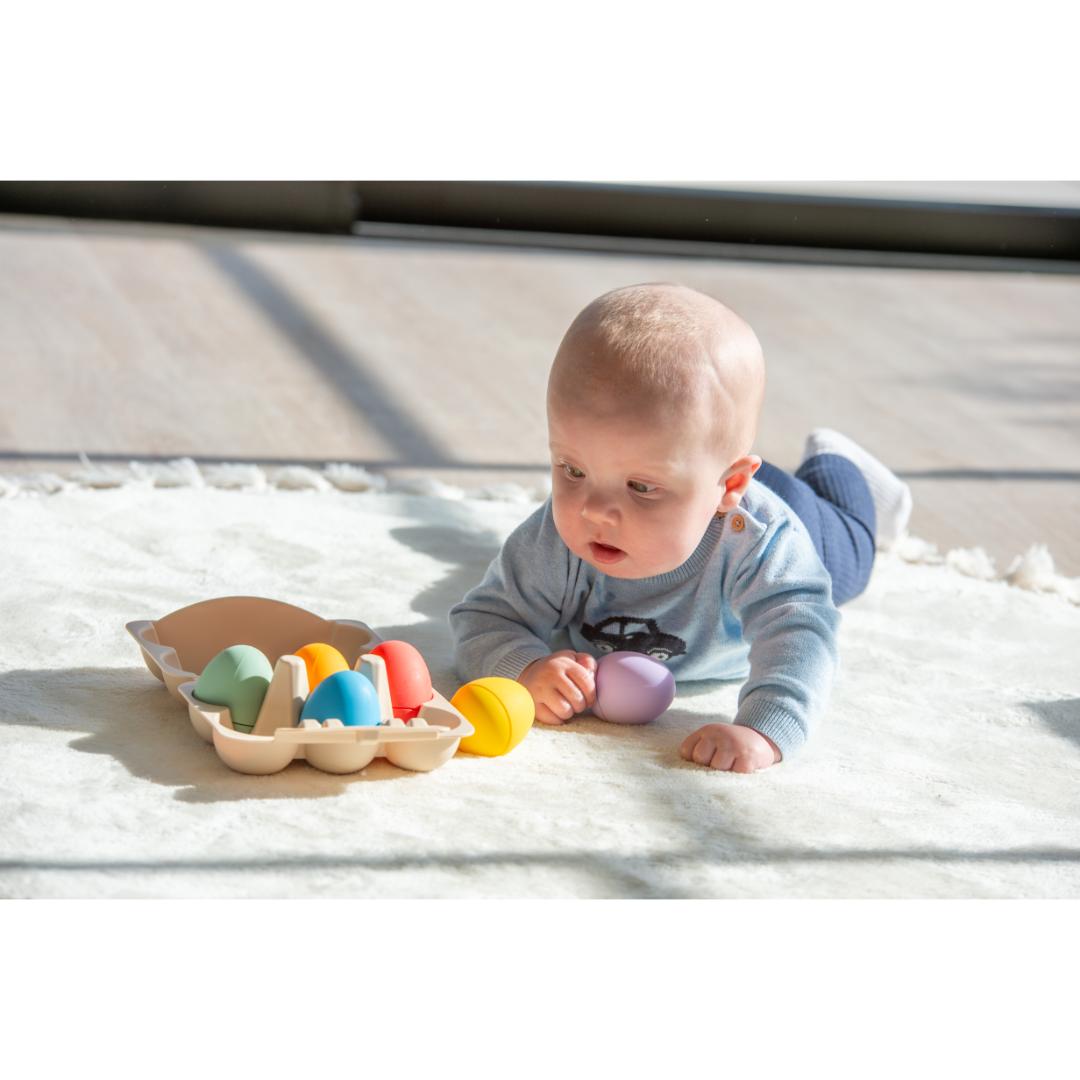
The Silicone Sensory Eggs – Rainbow encourage children to engage in hands-on exploration, fostering their natural curiosity. As children twist open the eggs and fill them with various materials, they can investigate different textures, sounds, and scents, promoting inquiry-based learning through sensory experiences.
Developing early STEM and problem-solving skills
The design of the eggs, featuring holes numbered from 1 to 6, supports early counting and shape recognition, essential components of STEM education. Children can experiment with filling the eggs, understanding concepts of volume and capacity, while also developing problem-solving skills as they figure out how to balance different materials inside.
Relevant EYLF Outcomes
Outcome 1: Children have a strong sense of identity
Outcome 4: Children are confident and involved learners
Outcome 5: Children are effective communicators
Classroom, Play Activity & Provocation Ideas
Classroom & Learning Area Ideas
Set up a sensory exploration station where children can fill the eggs with natural materials such as sand, leaves, or water, encouraging tactile experiences and discussions about textures.
Incorporate the eggs into a counting and sorting activity, allowing children to match the number of items they place inside each egg with the corresponding hole.
Play-Based Activity Ideas
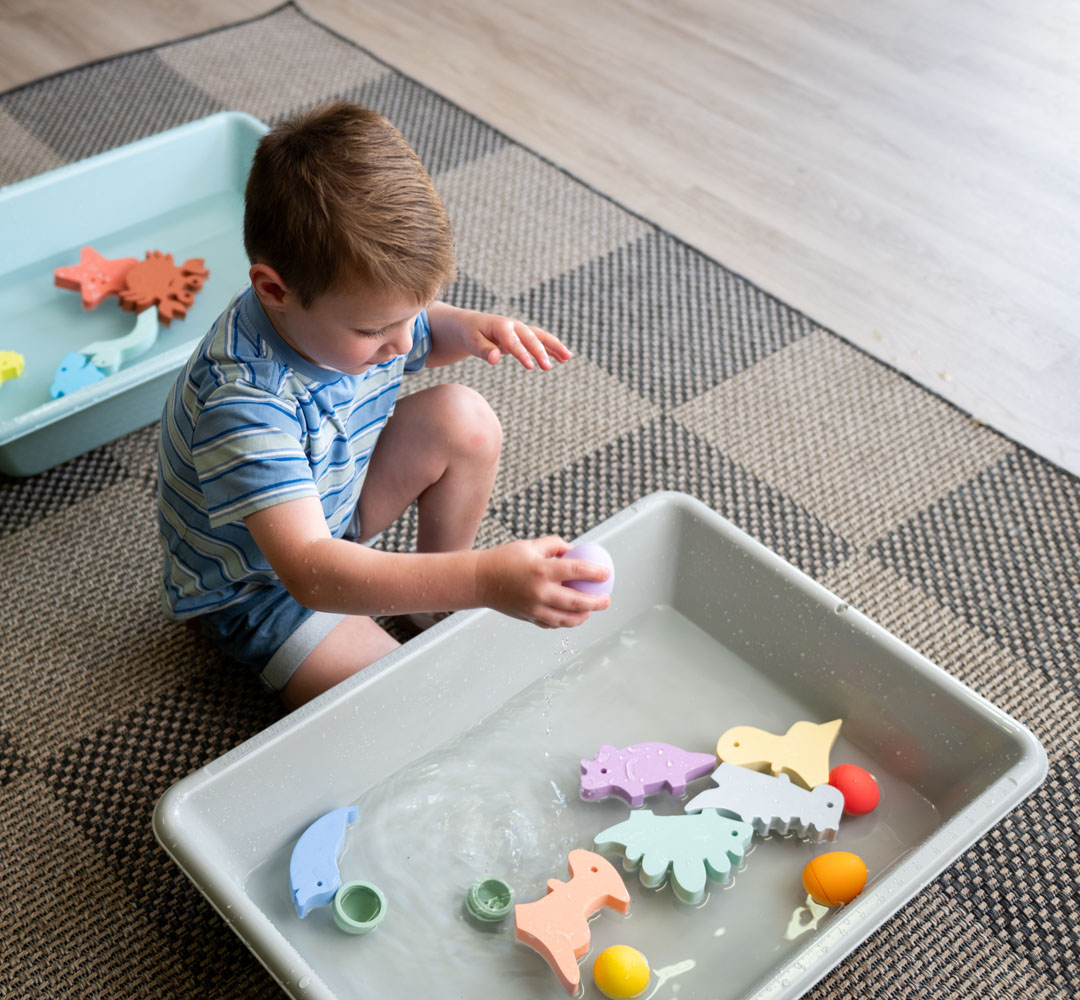
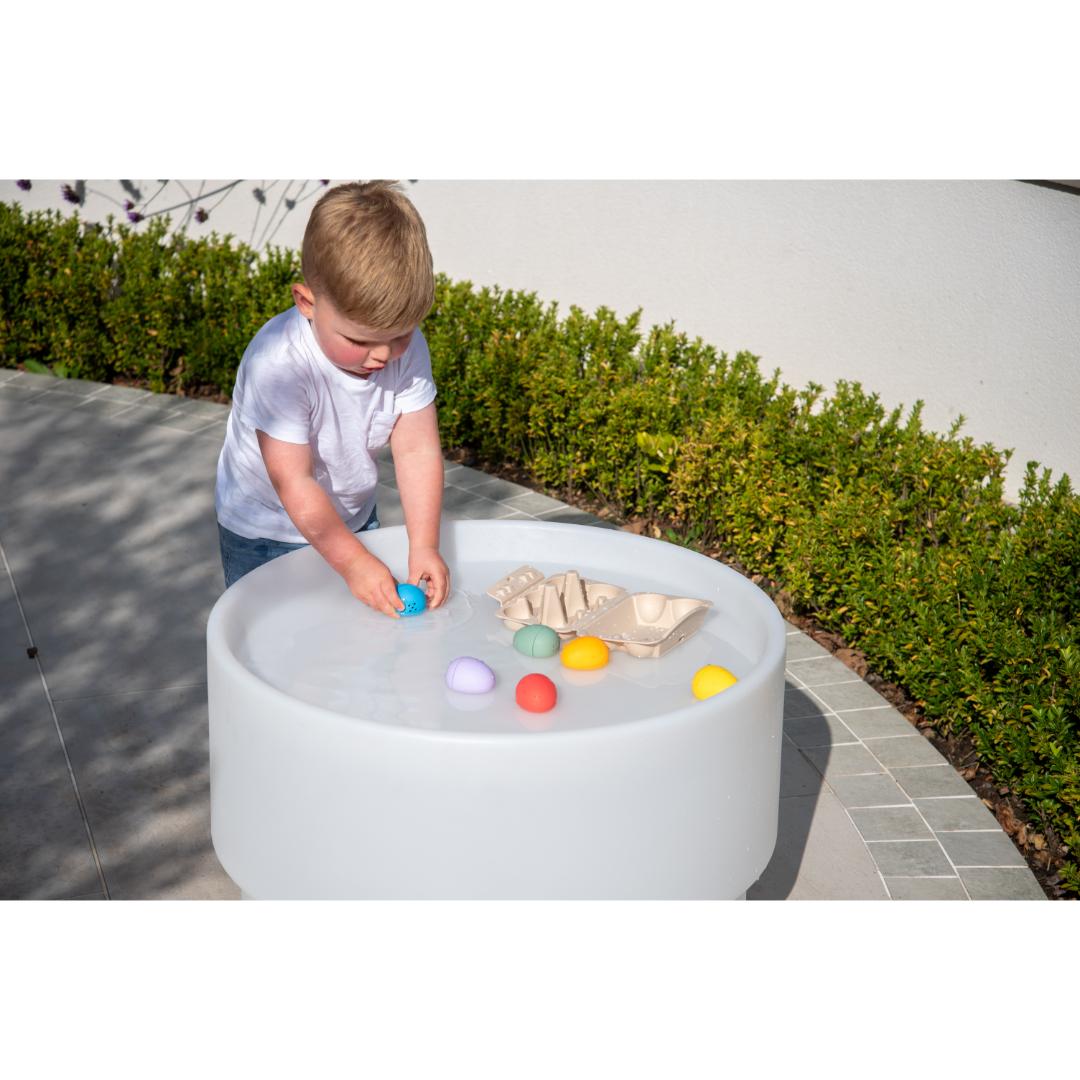
Encourage children to use the eggs in outdoor water play, exploring concepts of buoyancy and water dynamics as they squirt water from the eggs.
Create a storytelling session where children use the sensory eggs to represent different characters or elements in a story, enhancing their language and imagination skills.
Facilitate a group activity where children work together to create a sensory shaker, discussing the sounds and sensations produced by different materials.
Provocation Ideas
Present the eggs alongside a variety of natural materials and invite children to predict which items will fit inside the eggs, fostering critical thinking and hypothesis testing.
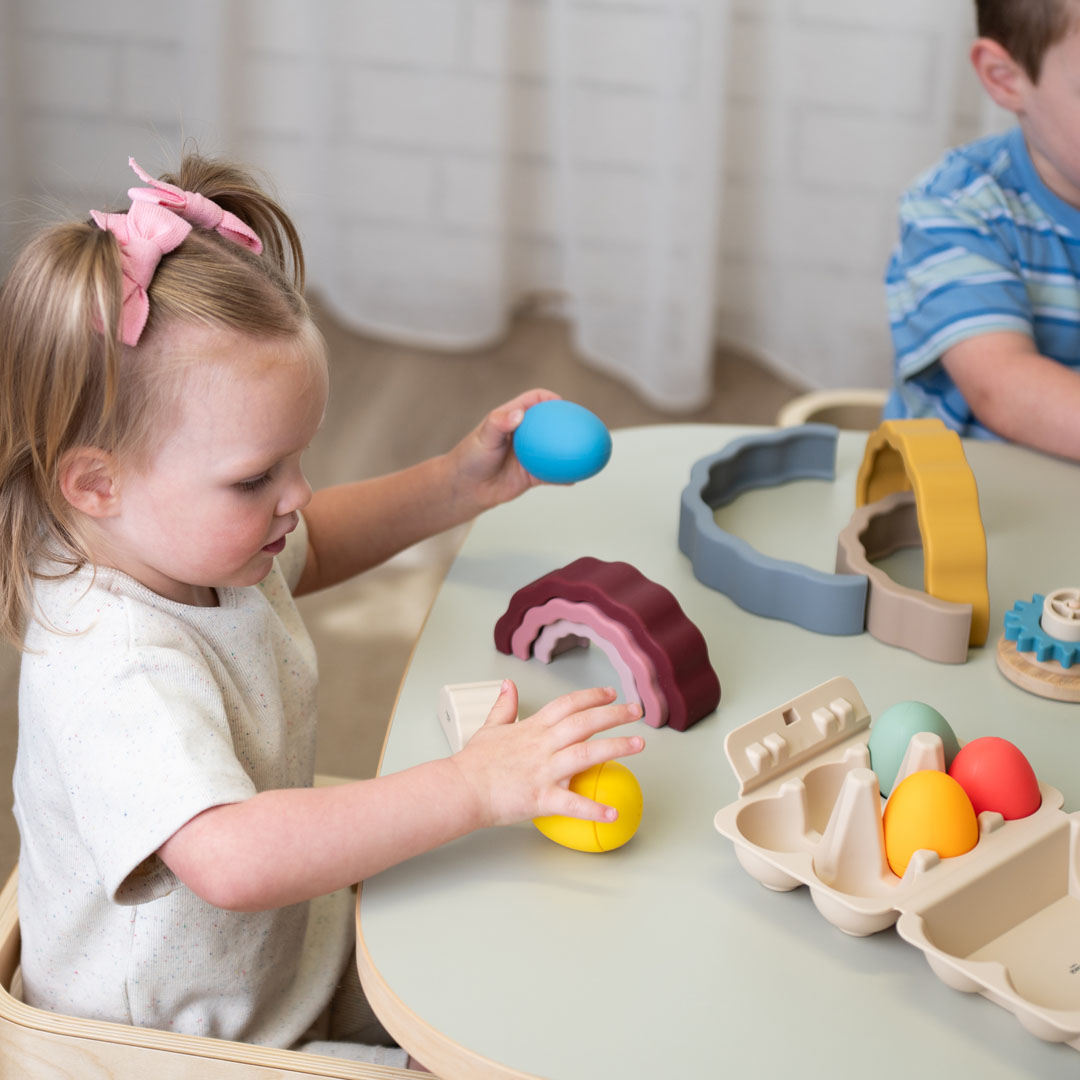
Use the eggs to initiate conversations about colours and shapes, prompting children to describe their findings and share their observations with peers.