How this product aligns with the EYLF
Supporting play-based learning and inquiry
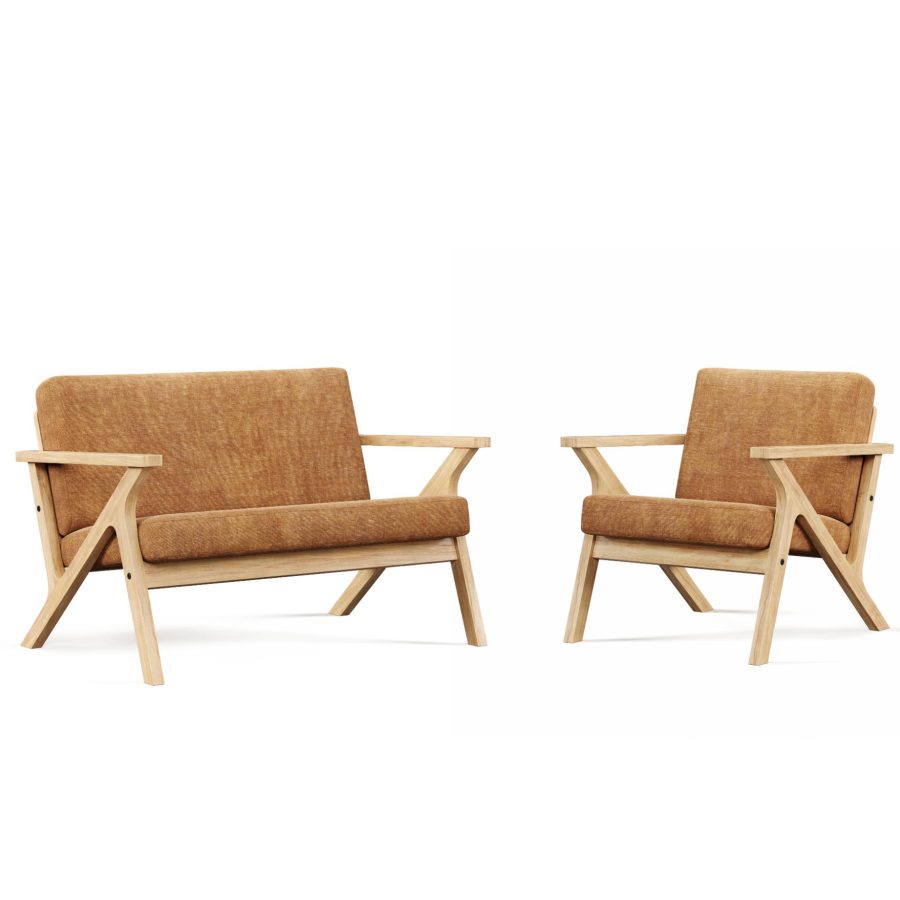
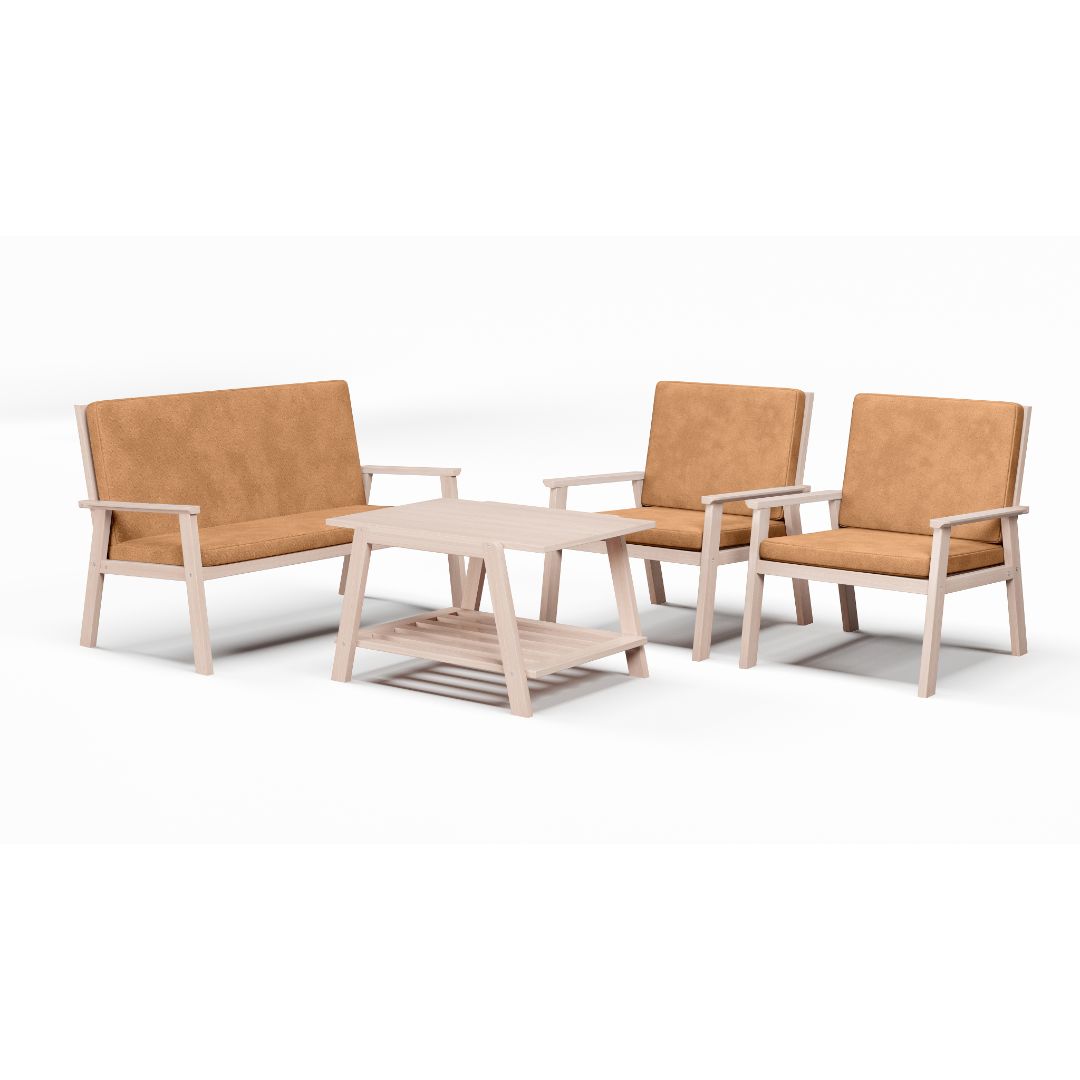
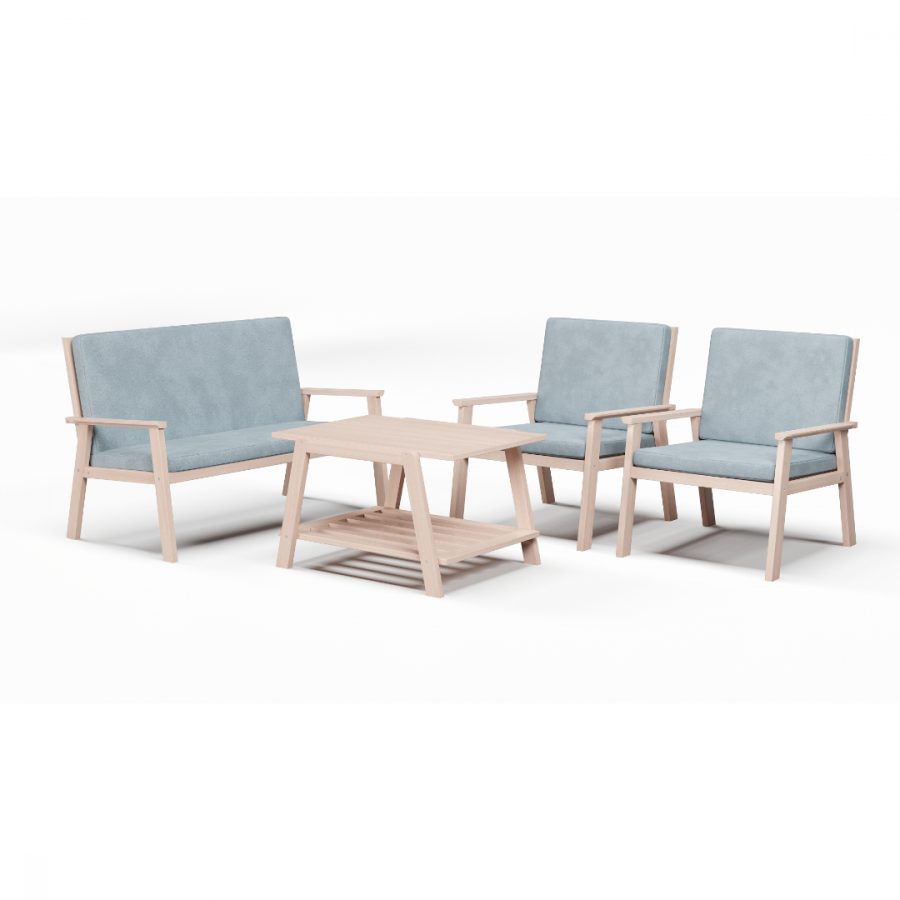
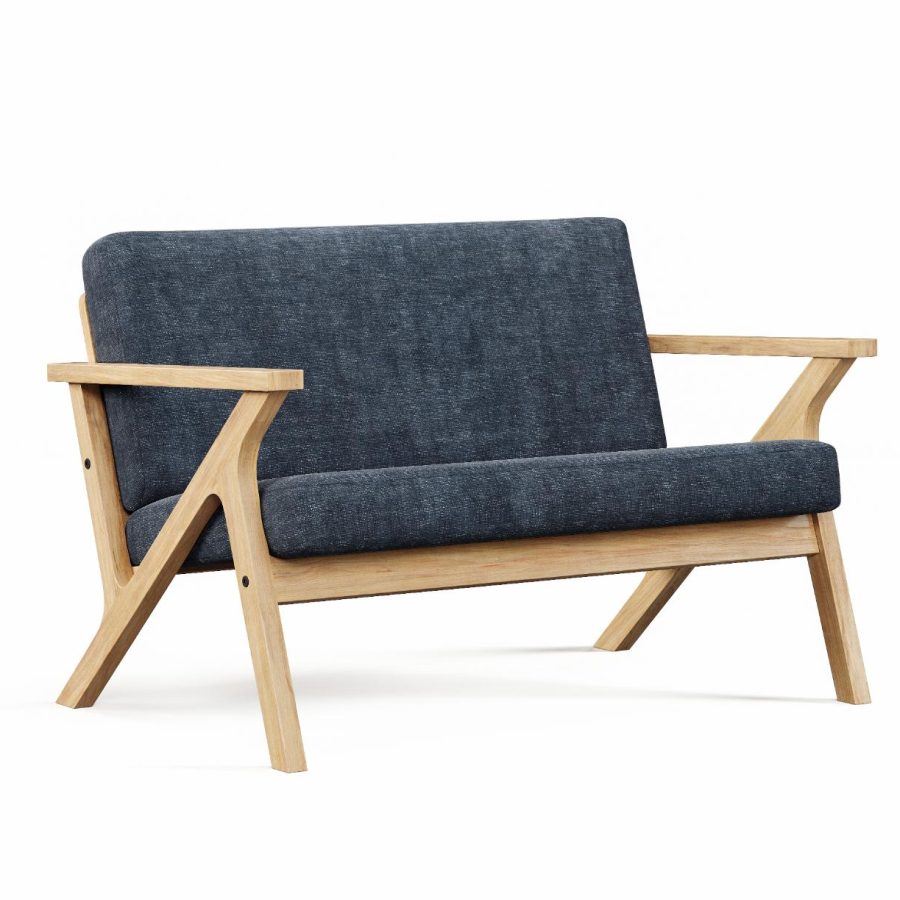
The Scandi Children’s Sofa Set provides a comfortable and inviting space for children to engage in play-based learning. Its design encourages collaborative play, where children can gather to share stories, engage in role-play, or participate in group discussions, thereby enhancing their social interactions and inquiry-based learning experiences.
Encouraging wellbeing, comfort, and independence
The soft seating arrangement of the sofa set promotes a sense of comfort and security, allowing children to relax and feel at ease in their learning environment. This comfort fosters independence as children choose to engage in self-directed play, whether it be reading a book, engaging in imaginative play, or simply enjoying quiet time with peers.
Relevant EYLF Outcomes
Outcome 1: Children have a strong sense of identity
Outcome 2: Children are connected with and contribute to their world
Outcome 5: Children are effective communicators
Classroom, Play Activity & Provocation Ideas
Classroom & Learning Area Ideas
Create a reading nook using the sofa set where children can explore books and storytelling together, fostering a love for literacy.
Set up a small group discussion area for collaborative projects, encouraging children to express their ideas and work together.
Play-Based Activity Ideas
Encourage role-play scenarios where children can use the sofa set as a café or living room, enhancing their imaginative skills.
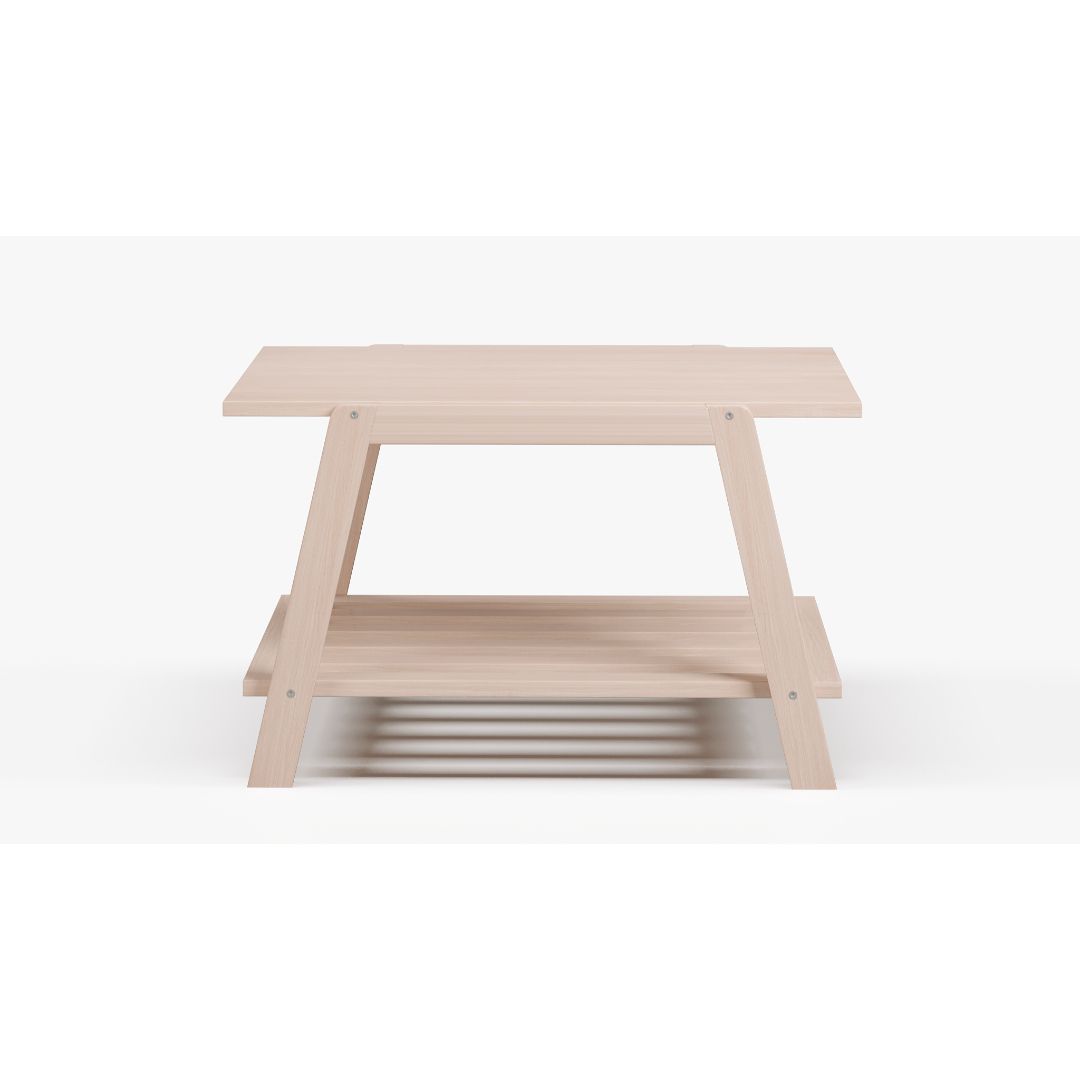
Use the mini coffee table for art activities, allowing children to create and display their artwork while seated comfortably.
Facilitate a puppet show where children can sit on the sofa set and engage with their peers as they perform and narrate stories.
Provocation Ideas
Introduce a themed play scenario, such as a family gathering, where children can use the sofa set to act out various roles and relationships.
Provide props related to storytelling that children can use while seated on the sofa, encouraging them to create and share their own narratives.